
- Health Conditions A-Z
- Health & Wellness
- Nutrition
- Fitness
- Health News
- Ayurveda
- Videos
- Medicine A-Z
- Parenting
Breaking 8 Fatty Liver Myths That Are Ignored Easily
Credits: Pinterest
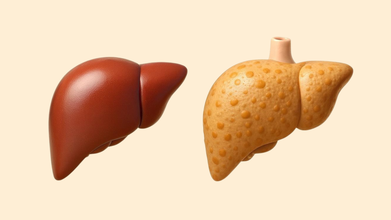
Fatty liver, also known as non-alcoholic fatty liver disease or NAFLD often hides in plain sight, this is because the condition rarely causes obvious pain or sudden symptoms in its early stages. Many people living with this condition continue to live normally, and so they assume nothing is wrong. Unfortunately, that silence is exactly what makes fatty liver dangerous.
Doctors explain that the condition can develop quietly for years while fat slowly builds up inside liver cells. By the time noticeable symptoms appear, the liver may already be under strain. Today, NAFLD, presently known as metabolic dysfunction-associated steatotic liver disease (MASLD) is becoming one of the most common chronic liver conditions worldwide. Understanding what it is, and what it is not, can help people recognize the risks earlier and take steps to protect their health.
Here are some of the most common myths doctors say people still believe about fatty liver.
MYTH: Fatty Liver Happens Only To People Who Drink Alcohol
Many people assume liver problems are always linked to alcohol. In reality, most fatty liver cases today are unrelated to drinking.
Doctors estimate that around 30 to 40 percent of people in India may have non-alcoholic fatty liver disease. The condition often develops due to metabolic issues such as diabetes, high cholesterol, obesity, or insulin resistance. Because of this link, fatty liver is now considered part of what doctors call metabolic syndrome.
Global research also shows that NAFLD has become the most common chronic liver disease worldwide, affecting nearly 38 percent of the population.
MYTH: If There Are No symptoms, There Is No Disease
Fatty liver rarely causes dramatic warning signs in the beginning. This is why many people do not realize they have it.
Instead of sharp pain, the body often gives small metabolic clues. These may include constant tiredness, difficulty sleeping, mild heaviness on the right side of the abdomen, darkening of the skin around the neck, or increasing belly fat.
Because these signs seem unrelated, people tend to ignore them. However, doctors say these subtle changes can appear years before serious liver damage develops.
MYTH: Only People Who Are Overweight Get Fatty Liver
Body weight alone does not tell the full story. Some people who appear slim can still develop fatty liver.
Doctors refer to this condition as “lean NAFLD.” In these cases, fat accumulates deep inside the body around internal organs. This type of fat, known as visceral fat, is not always visible from the outside.
Experts say waist size is often a stronger indicator of risk than overall weight. Even people with a normal body mass index may develop fatty liver if they have high abdominal fat or insulin resistance.
MYTH: Normal Blood Test Results Mean The Liver Is Healthy
Many people feel reassured when routine blood tests come back normal. However, liver enzyme levels such as ALT and AST do not always detect fatty liver in its early stages.
Doctors explain that fat can accumulate inside the liver while these enzyme levels remain within the normal range. In many cases, abnormal readings appear only after inflammation or damage has already started.
This is why imaging tests or metabolic screenings are sometimes needed to detect the condition earlier.
MYTH: Fatty Liver Is Harmless And Can Always Be Reversed Later
It is true that fatty liver can improve, especially when lifestyle changes are made early. However, delaying action can allow the condition to progress.
Over time, simple fat buildup may lead to inflammation known as non-alcoholic steatohepatitis (NASH). If the process continues, it can cause fibrosis, cirrhosis, liver failure, or even liver cancer.
Doctors also warn that fatty liver is closely linked to other serious health problems. People with NAFLD often face a higher risk of heart disease, kidney problems, and certain cancers. Early medical consultation helps identify these risks before complications develop.
MYTH: Sugar Alone Causes Fatty Liver
Sugar, particularly fructose found in sweetened drinks and processed foods, does contribute to fatty liver. However, the problem is much larger than one ingredient.
Researchers explain that insulin resistance sits at the center of the disease. Diets high in refined carbohydrates, lack of physical activity, poor sleep, chronic stress, and irregular eating patterns can all contribute to metabolic overload.
In other words, fatty liver develops when the body struggles to process energy efficiently over time.
MYTH: Medication Will Fix Fatty Liver
Many people hope there is a quick medical solution for fatty liver disease. In reality, there is currently no single medicine that can completely treat NAFLD on its own.
Doctors say the most effective treatment is still lifestyle change. Losing around 7 to 10 percent of body weight, improving diet quality, and increasing daily movement can significantly reduce fat inside the liver.
Medications may be prescribed in certain situations, especially if other metabolic conditions such as diabetes, high blood pressure, or abnormal cholesterol levels are present. However, not every patient requires liver-specific drug therapy, and these medicines are only used under medical supervision.
MYTH: Only Diet Matters
Diet is important, but fatty liver is influenced by several lifestyle factors working together. Sleep quality, physical activity, stress levels, and muscle health all affect metabolism.
For example, strength training helps improve insulin sensitivity, while regular movement after meals can reduce blood sugar spikes. Poor sleep and untreated sleep apnea can also worsen metabolic health and increase fatty liver risk.
What Actually Deserves Attention
Doctors say the earliest warnings often come from metabolic health rather than liver symptoms. Rising waist size, prediabetes, high triglyceride levels, low HDL cholesterol, and persistent fatigue may all signal underlying metabolic strain. Loud snoring linked to sleep apnea can also be a clue.
Protecting liver health usually involves simple but consistent habits. Regular health screenings, limiting ultra-processed foods, walking after meals, building muscle through exercise, and avoiding alcohol when fatty liver is present can all make a meaningful difference.
Fatty liver disease develops slowly, but the same is true for recovery. Small daily changes, repeated over time, often have the greatest impact on protecting the liver and preventing long-term complications.
Romanticization And The Silent Dismissal Of Women’s Pain | Women's Day Special

Credits: Canva
Just few days ago, the world witnessed a personal documentary film bagging BAFTA Award 2026. The film is titled This Is Endometriosis. The film is a personal story of director Georgie Wileman, who was diagnosed with the condition a decade after she had first shown her symptoms. The film brings the attention back on dismissal of women's pain, which has been normalized for ages.
This is not the only instance of women's pain being dismissed. Instagram and other social media platforms are flooded with women sharing their experiences of getting intrauterine contraceptive device or an IUD inserted without anesthesia. The pain is debilitating.
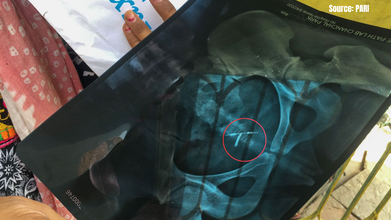
Another report, from India's capital city by PARI (People's Archive of Rural India) mentions a case of Deepa (name changed) who had a copper-T (IUD) inserted, right after her C-section. After two years, she experienced menstrual irregularities and heavy bleeding. She visited several doctors, one of whom, even dismissed it as just weakness, while prescribing calcium and iron tablets for her. In other instances, her copper-T could not be located, until she got an X-ray done, which noted: 'The copper-T is seen in situ in hemipelvis region.' The PARI report quotes West Delhi-based gynecologist Dr Jyotsna Gupta, "There are high chances that a copper-T may get tilted if it is inserted soon after delivery or a C-section.This is because in both cases the uterus cavity is enlarged then, and takes time to set itself to normal. While it is doing so, the inserted copper-T may change its axis and get tilted. It may also get displaced or get tilted if a woman experiences severe cramps during menstruation.”
The report also quotes ASHA worker Sushila Devi saying that they hear many women complaining about copper-T. "Many times, they tell us that it has 'reached their stomach' and they want to get it removed." However, like this case, in many other cases too, their pain is often ignored.
When Health and Me spoke to Dr Archana Dhawan Bajaj, gynecologist and Delhi-based IVF specialist, she said that physical pain and emotional distress in women is often normalized because the system "assumes that women's bodies are always in a state of flux and therefore leads to many women being undiagnosed or dismissed and delayed for treatment of a serious nature."
Dr Sonu Taxak, who is a senior IVF Consultant and Director at Yellow Fertility also told Health and Me that historically, women's symptoms were poorly studied, so for any pain, "hormonal fluctuation became a convenient explanation".
Read: The Hidden Cost of Extreme Fitness On Women’s Bodies | Women's Day Special
Women Bodies Are Meant To Bear Pain
A popular monologue from Fleabag says, "Women are born with pain built in." The powerful monologue is a reminder of how women carry pain and are often unheard so much so that society makes a woman believe that she is meant to bear it. While there is no scientific evidence that verifies that women have a higher pain tolerance than men (British Journal of Anaesthesia, 2013), historically their pain have been ignored. Dr Taxak points out that research consistently shows women’s pain is more likely to be dismissed as emotional or anxiety-related. "While awareness is improving, unconscious bias still exists. Pain should be evaluated based on clinical evidence, not gender-based perception."
A Guardian report from 2020 talks about how women are shamed for asking for painkillers. The report mentions Kate, who was in a 26-hour labor and when she asked for epidural, she was denied it. "The first time the midwives said I wasn't far enough along. The second time, they said I didn't need it. Finally, they said I was too far along."
Many women are shamed for asking for epidural, or are often scared. Yashasvi Arora (name changed) delivered her baby in January 2025 in a Delhi hospital said that her mother had told her to not opt for epidural as it causes chronic back problems that linger throughout one's life. However, science finds no such evidence of any claim. While back pain is common, but it does not stay forever, as notes Cleveland Clinic.
"Childbirth pain has been culturally romanticized as something to 'endure'. But medically, an epidural is a safe and evidence-based pain relief option. Choosing comfort does not diminish strength, It reflects informed decision-making," says Dr Taxak.

Pop culture plays a significant role in romanticization of labor pain. An advertisement by Indira IVF opens with a woman in labor pain, sweating and screaming and in the next scene, she says, "This is my life's best moment". Dr Archana says, "Pain relief (i.e., epidurals) becomes defined as a form of weakness because society favors natural childbirth as a true "test of endurance." Additionally, society often manifests culture as a glorified sacrifice made by the mother and that to ask for help is a sign of failure."
The cycle of pain does not end there, women are also shamed for postpartum, with many, especially men on the internet claiming that it is not a real thing. A new trend of 'Last Generation of the Innocent Mother' has taken over the internet that glorifies mothers who did not express their problems or were often shamed for it. However, the reality is quite different from what trends on the internet.
Read: Navigating Postpartum: The Emotional and Physical Impact on New Mothers
“I am a very positive person. I know I can handle anything. So, when my friends would tell me their stories of postpartum, I would tell myself that I could handle it. I could talk myself out of it. But to my surprise, it was very difficult. My body and my mind went through so much,” says Akanksha Thapliyal, 34 from Siliguri, a creative consultant, who became a mother at 33. Thapliyal shares that there were days when she would just cry, without even knowing the reason. At times, everyone felt like her enemy, including her husband.
A mother from East Tennessee, Tiffany Toombs Clevinger, now 39, shares she was 37 when she had her baby and her first feeling was, “Oh no, what did we just do?” She was in disbelief and did not know what to do to take care of her child.

Both mothers struggled with breastfeeding and Thapliyal also complained of pain while feeding her child. However, her mother told her that it was normal. The reality is, it was not.
"Postpartum depression is often underdiagnosed because symptoms are normalized or overlooked. While mild discomfort in breastfeeding could occur initially, persistent or severe pain is not normal," points out Dr Taxak.
Pain And Discomfort Exist Only For Men
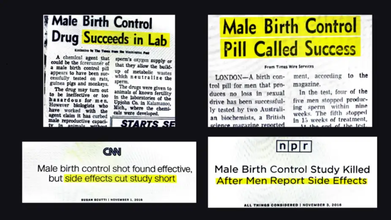
Birth control pill is often the burden on women, and when the idea of male contraception was first discussed in 1970s, the research came to a halt. The pill never made it to market. In November 2016, Susan Scutti reported in CNN that the study was cut short due to the side effects of the pill. The report Male birth control shot found effective, but side effects cut the study short. Another report by NPR titled Male Birth Control Study Killed After Men Report Side Effects also seconded the claim.
Read: Explained: The History Of Birth Control Pills And Other Alternative
While for women, those who are on birth control pills are prone to headaches, breast tenderness, acne, nausea, weight gain, irregular menstruation, mood changes, and decreased libido.
Dr Archana explains, the disparity of how women and men are treated medically in terms of contraceptive responsibility remains pervasive due to long-standing societal and medical expectations. "Trials for male contraceptives are often stopped due to the mildly adverse effects of men, while women have been expected to suffer similar or perhaps even more serious effects for a much longer period. Ultimately this further illustrates the gendered tolerance men have witnessed in the medical world, wherein the discomfort of women is often treated as 'the norm,' while any form of adverse side effect for men exhibits heightened scrutiny and ultimately leads to decisions to cease the trials."
Listening To Women's Pain
With such instances, it becomes more so important on International Women's Day on how much of women's pain is still being normalized instead of treated. For decades, medicine and society have often asked women to tolerate discomfort quietly.
International Women’s Day, at its core, is about recognizing women’s voices and experiences. In healthcare, that means something very practical: believing women when they say something is wrong. Because sometimes, the most powerful step toward better care is not a new technology or treatment. It is simply listening.
How Is Today's Lifestyle Impacting Childhood Obesity in India? An Expert Explains

Credits: iStock
Childhood obesity is rapidly emerging as one of the most serious public health concerns across the world, and in India too. Once considered a problem limited to adults, excess weight is now affecting children at younger ages and increasing their risk of chronic diseases early in life.
According to The World Obesity Atlas 2024 by the World Obesity Federation, India ranks second globally in the number of children living with overweight and obesity, just behind China. The report estimates that out of 56 million children affected in the country, around 20 million are likely to be obese, while the rest are expected to fall in the overweight category.
Read: Childhood Obesity In India To Surge To 56 Million By 2040, Says Global Report
The situation is not limited to India. Globally, the number of children aged 5 to 19 years living with overweight or obesity is projected to reach 507 million by 2040, rising sharply from 419 million in 2025.
Experts say the rise is closely linked to how children eat, move, and spend their time today.
Childhood Obesity Is More Than A Cosmetic Issue
Dr Ruchi Golash, Pediatrician at CK Birla Hospitals, CMRI, explains that childhood obesity goes far beyond appearance and can have long-term health consequences.
“Excess weight in childhood is not just a cosmetic concern. It significantly increases the risk of conditions such as diabetes, high blood pressure, fatty liver disease and early heart problems,” she says.
Read: 1 In Every 8 School-going Children Is Obese In Kolkata: Study
Children who develop obesity early in life are also more likely to remain obese as adults if the issue is not addressed in time. This makes early prevention and lifestyle changes especially important.
The Role Of Excessive Screen Time
One of the biggest lifestyle changes affecting children today is the rise in screen time. From online classes and gaming to streaming videos, children are spending several hours each day in front of screens.
Dr Golash notes that this shift is contributing significantly to weight gain.
“Prolonged screen use reduces physical activity, disrupts sleep patterns and often encourages mindless snacking,” she explains.
Exposure to screens, especially before bedtime, can also interfere with hormones that regulate hunger and fullness. As a result, children may feel hungrier and eat more than their bodies need.
Ultra-Processed Foods Are Becoming The Norm
Another major factor behind rising childhood obesity is the shift in dietary habits.
Ultra-processed foods such as packaged snacks, sugary beverages, instant noodles and bakery products have become widely available and heavily marketed to children. While convenient and appealing, these foods are typically high in calories, sugar, salt and unhealthy fats.
“They are low in fibre and essential nutrients, which means children consume a lot of energy without getting adequate nutrition,” Dr Golash says.
Regular consumption of these foods can lead to rapid weight gain, insulin resistance and early metabolic problems, increasing the risk of long-term health complications.
Decline In Outdoor Play And Physical Activity
Sedentary lifestyles are another key contributor. Compared to previous generations, children today spend far less time playing outdoors.
Academic pressure, safety concerns and the lure of digital entertainment have gradually replaced active play with more sedentary activities.
“Even children who do not overeat can gain weight if they are not physically active enough,” Dr Golash explains. Reduced muscle activity slows down metabolism and allows fat to accumulate more easily in the body.
What Parents Can Do To Prevent Childhood Obesity
Experts say parents play a central role in preventing childhood obesity and helping children build healthier habits.
Dr Golash advises families to start with simple lifestyle changes such as limiting daily screen time, encouraging outdoor play and prioritizing home-cooked meals.
“Setting reasonable screen-time limits, promoting daily physical activity and reducing sugary drinks can make a significant difference in a child’s overall health,” she says.
She also emphasizes that conversations about weight should focus on healthy habits rather than appearance.
Early and supportive interventions, she adds, can help reverse unhealthy weight gain and protect a child’s long-term heart and metabolic health.
New AI-powered blood test to detect pancreatic cancer early with 94% accuracy
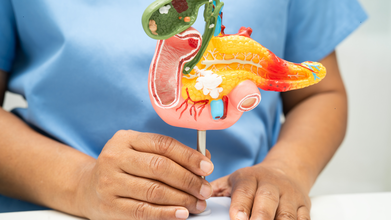
Pancreatic cancer, which is notoriously difficult to catch early, can now be detected early with a simple blood test, but powered by artificial intelligence (AI).
The AI-based test analyzes metabolic fingerprints in a blood sample and spots pancreatic cancer at its earliest stages with up to 94 percent accuracy.
The study published in the journal Nature Communications showed that the diagnostic tool called PanMETAI can be a non-invasive and cost-effective screening tool to save lives lost due to pancreatic cancer -- one of the deadliest forms of cancer worldwide, with only a 13 percent five-year survival rate.
The tool combines with nuclear magnetic resonance (NMR) metabolomics to identify pancreatic cancer with remarkable accuracy. NMR is a method that captures the unique chemical fingerprint of hundreds of metabolites in a patient's blood.
"By combining the power of AI with the rich metabolic information captured by NMR spectroscopy, we have created a tool that can detect pancreatic cancer at its earliest and most treatable stages. Our goal is to bring this technology to clinical practice so that more patients can benefit from timely diagnosis and treatment," said Yu-Ting Chang, Professor of internal medicine (gastroenterology and hepatology) at National Taiwan University, Taiwan.
The researchers noted that the PanMETAI platform enables high-precision pancreatic cancer prediction, facilitating early detection, which will enhance treatment outcomes.
Pancreatic Cancer: How PanMETAI makes early-stage detection
Pancreatic cancer is hard to treat as the symptoms are rarely seen in the initial stages, and most patients receive their diagnosis at an advanced stage, when treatment options are limited.
The PanMETAI platform tapped the current screening methods -- blood marker CA19-9 -- for early detection.
Using 500 microliters of blood serum, the platform was able to extract over 260,000 metabolic signals in the study. It then analyzed the datasets using an AI model.
By integrating these metabolic profiles with age, the cancer marker CA19-9, and a protein biomarker called Activin A, PanMETAI correctly distinguished cancer patients from high-risk controls in nearly every case, said the team.
The researchers then validated the model in an independent Lithuanian cohort of 322 participants. The results proved that the tool works reliably across diverse populations.
Further, the team found that NMR metabolomic data were essential to boost early-stage detection sensitivity.
These capture subtle metabolic shifts -- such as decreased HDL cholesterol (bad cholesterol) and glutamine (an essential protein), and elevated lactic acid, glucose, and glutamic acid -- that occur before the cancer becomes clinically apparent.
Pancreatic Cancer: A Global Health Burden
Pancreatic cancer is the 12th most common cancer worldwide.
Data from the Globocan reveal there were 510,992 new cases of pancreatic cancer in 2022, with China, the US, and Japan reporting the highest number of cases.
The pancreas is a 15cm long gland found behind the stomach and in front of the spine. The organ is key to digesting food and curbing blood sugar levels in the body.
Cancer develops in the pancreas when a change in the cells of the organ causes them to grow uncontrollably. Most pancreatic cancers start in exocrine cells, which produce digestive enzymes to help digest food and are secreted into the small intestine.
While there are hardly any early symptoms, the ones appear can include:
- eyes or skin turning yellow (jaundice)
- itchy skin
- darker pee and paler poo than usual
- loss of appetite or losing weight without trying to
- fatigue
- a high temperature, or feeling hot or shivery
- Follow Us :


© 2024 Bennett, Coleman & Company Limited