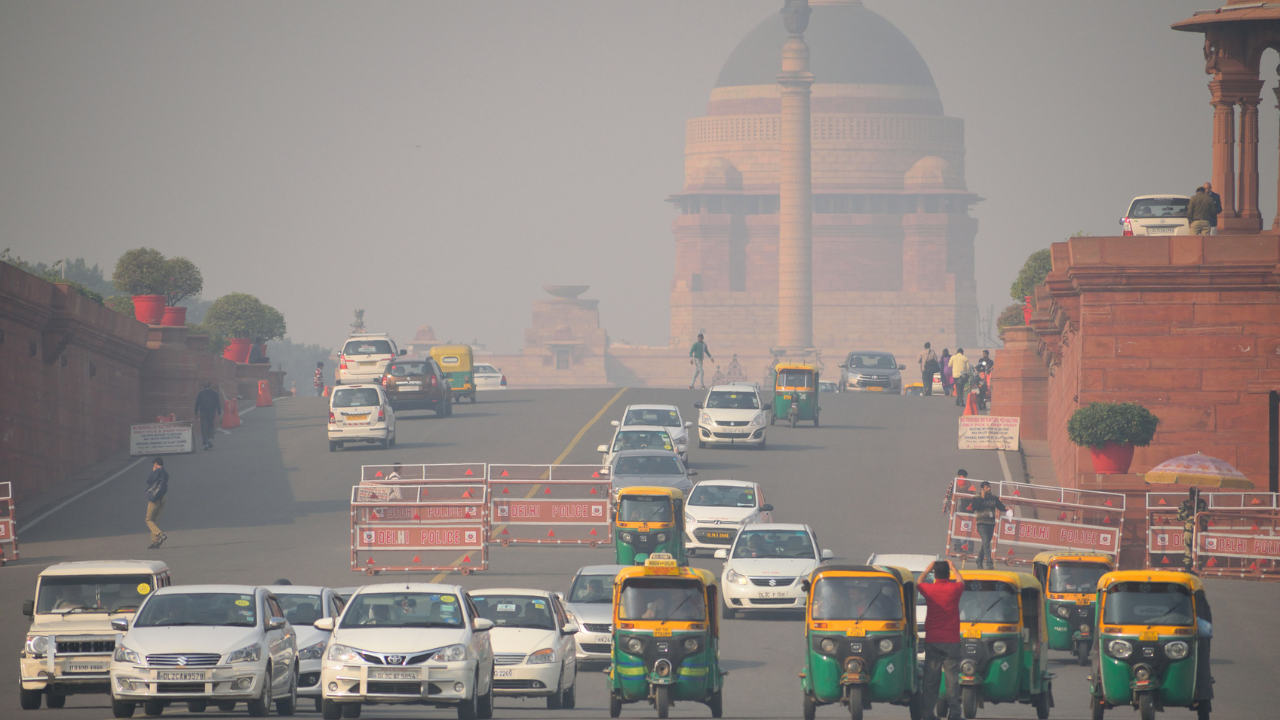
Air pollution is one of the most impactful issues for the people of Delhi, as the city is known for having heavy air pollution, and the whole NCR faces this particular health hazard due to very high PM2.5 concentrations. Though until now there was a public perception that the effect of this situation on babies was not massive, but that hopeful thinking has been shattered by a new study done by the All India Institute of Medical Sciences (AIIMS), Delhi.The study by AIIMS has revealed that when fine particulate matter is found in the air, it can damage the placenta, restrict fetal growth, and increase the risk of low birth weight. It was published in EMBO Molecular Medicine and focused on the effect of fine particulate matter in the air on pregnancy through laboratory study, animal models, and human data. The research team observed that the presence of fine particulate matter in the air causes harm to placental function, including blood vessel formation, nutrient transport, and fetal growth. In animal trials, the team has observed that the rats exposed to pollution have smaller litters, abnormal placentas, and babies with reduced birth weight and growth.The research was supported by an analysis of 994 pregnancies from regions with different pollution levels. The team of AIIMS also stated that they have seen PM2.5 exposure was associated with a greater risk of low birth weight and preeclampsia.How To Reduce Climate-related Health RisksTo reduce climate-related health risks, the experts recommend staying informed about weather conditions, remaining hydrated, limiting outdoor exposure during extreme heat, and taking precautions against mosquito bites.People with chronic conditions such as hypertension, diabetes, heart disease, and kidney disease are advised to maintain adequate medication supplies and consult healthcare providers during periods of extreme heat.Also Read: Meningitis Alert at UK University: Preventive Antibiotics and Vaccination Offered to StudentsAccording to the experts, awareness and early action remain critical to protecting public health as climate change continues to reshape disease patterns around the world.To reduce the risk of mosquito-borne diseases, people should make sure that water does not get collected in buckets, coolers, flower pots, or other containers around the home. Additional precautions include the use of mosquito repellents, sleeping under nets when necessary, and wearing clothing that covers the arms and legs.Dr Sabine said food and water safety are particularly important after heavy rain or flooding. Proper food storage, clean drinking water, and good hygiene practices can go a long way in preventing many infections. Those with pre-existing medical conditions should also have essential medicines within easy reach during extreme weather.