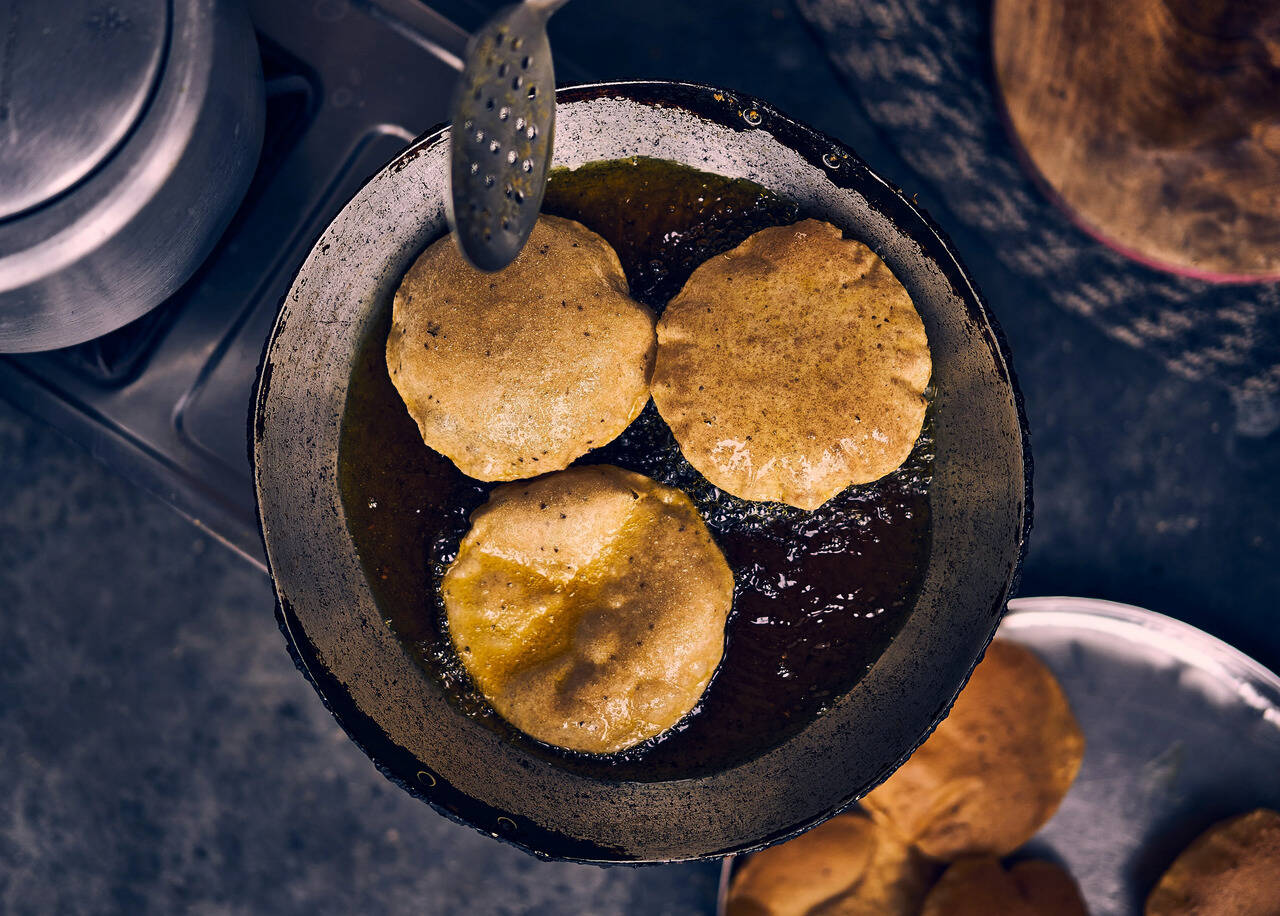
Last month, on my way to the office, I suddenly felt a wave of sickness in my stomach. A few hours later, I caught a fever, and what followed over the next few days was nothing short of a nightmare. I couldn’t even manage to eat half a slice of pineapple. It turned out that all the street food I had been indulging in had resulted in Hepatitis A, an infection that inflames the liver. Liver is one of the most vital organs in the human body. Ranked second largest organ after skin, it plays a crucial role in metabolism, detoxification, and other vital functions. However, in today’s world, alcohol is not the only substance that can jeopardize your liver health. Conditions such as Nonalcoholic Fatty Liver Disease (NAFLD) are on the rise and can lead to severe complications, including life-threatening fibrosis if not managed properly. Biggest Threat To Your Liver According to Dr BS Ahuja, M.B.B.S, M.D (medicine) at Kharay Hospital, Ludhiana, liver infections, particularly Hepatitis A and E, are becoming more widespread, particularly in countries like India, where contaminated water supplies lead to infections. “Street food is the largest cause of liver infection through contaminated food and water in India", he said. Adding further, Dr Ahuja opined, "While most liver infections are self-limiting, meaning they resolve on their own, about 2% can become life-threatening, especially if left undetected". Signs of Liver Infection Liver infections often go unnoticed in their early stages, a phase known as the prodromal period. During this time, symptoms like the following may appear.FeverNauseaJaundice (yellowing of the skin and eyes) These symptoms are often mistaken for other common illnesses, delaying proper diagnosis and treatment. Dr Thiagarajan Srinivasan, Liver Transplant Specialist at MGM Healthcare, asserts that one critical indicator of a liver infection is a significant rise in SGPT (Serum Glutamic Pyruvic Transaminase) levels, sometimes reaching the thousands. Monitoring these levels can provide early warning signs of liver distress. Role of Diet And Lifestyle Diet plays a crucial role in both the prevention and management of liver infections. Even in extreme cases of infection, proper hydration is the key, besides eating nutrient-rich food. Avoiding certain foods, especially those prepared under unhygienic conditions plays a crucial role when it comes to prevention. Street foods like panipuri and chaat are particularly risky. Food items involving unboiled water, raw salads and juices also put you at risk. Dr Srinivasan emphasises that even food cooked at home should be handled with care. "Avoid eating food that was cooked more than 12 hours ago. Additionally, food should only be reheated once, and fried foods should not be reheated at all." He also talked about the concerning trend which involves the use of used cooking oil by smaller eateries as a cost-cutting measure. These oil, often sourced from high-end restaurants, pose serious health risks and should be avoided at all costs.Foods To Eat And Avoid Certain foods are particularly detrimental to your liver should be avoided to reduce the risk of liver infections.What To Avoid- Processed red meats, such as bacon, are among the worst offenders for liver health.- Foods high in salt and oil also pose significant risks.- These foods are often loaded with unhealthy saturated and polyunsaturated fats, which can contribute to liver damage over time.- Palm oil, frequently used in fried snacks, is another major culprit.What To Eat- Rich in antioxidants, green leafy vegetables help protect the liver from oxidative stress.- Moderate consumption of coffee has beneficial effects on the liver, with black coffee being the best option. If black coffee isn't preferred, using double-toned milk is a healthier alternative.- Chocolate also supports liver health.