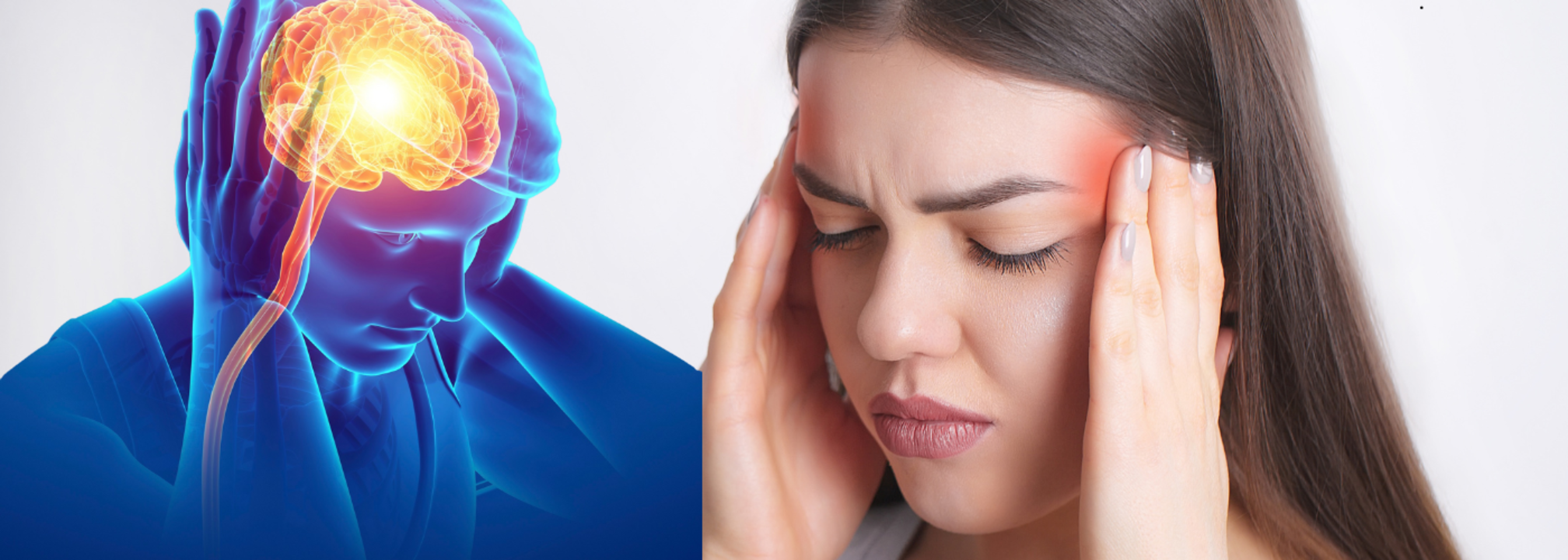
The occurrence of migraines has significantly increased worldwide during the last three decades. One of the most prevalent neurological disorders in the world, migraine episodes affect more than 1 billion individuals annually. Thankfully, there are several alternatives for managing and reducing pain, which may be broadly divided into acute and preventative therapies.Acute Treatments: Immediate Migraine Pain ReliefThe purpose of acute therapy is to provide quick relief as soon as a migraine episode begins. Before the pain worsens, these medications attempt to stop it or make it manageable.OTC (Over-the-Counter) DrugsOTC drugs are the initial line of treatment for a lot of people. These are readily available at the majority of pharmacies and include choices like:IbuprofenAcetaminophenAspirinWhile generally safe, frequent use of OTC medications can lead to side effects or rebound headaches, so it's important to use them sparingly.Prescription MedicationsPrescription medications may be recommended by medical professionals for more severe migraines. Acute attacks are often treated with triptans, including sumatriptan. These medications are effective but can have unfavourable side effects such nausea, fatigue, and dizziness. They are available as tablets, nasal sprays, and injectables. Even though they are rare, severe side effects might include chest pain or trouble breathing.An alternative that is less frequently administered than ergotamine but has comparable adverse effects is dihydroergotamine. Chlorpromazine and other anti-nausea drugs may also be utilised if the migraine is accompanied by nausea.Opioids can be used in rare instances to relieve severe migraine pain, but they are ineffective and often abused.Non-Medical StrategiesIn addition to prescription medication, non-pharmacological treatments can be used to manage migraines. Avoiding bright lights or sleeping in a quiet, dark atmosphere can help to reduce the intensity of an episode. A heated heating pad or cold compresses placed on the head or neck may also be soothing. Relaxation approaches such as yoga, meditation, and mindfulness can help prevent attacks by lowering stress, while biofeedback therapy helps manage body processes and promote calm.Preventive Care: Sustainable SolutionsPreventive treatment can give long-term relief to patients who experience frequent or severe migraines by reducing the frequency and intensity of attacks.Lifestyle AdjustmentsMigraines can be prevented in great part by changing one's lifestyle. It can be advantageous to detect and avoid known triggers, such as certain meals (alcohol, caffeine, and artificial sweeteners). A well-balanced diet, moderate exercise, and appropriate water intake are also essential. Furthermore, crises can be avoided by reducing stress through activities such as relaxation exercises.People suffering from menstrual migraines can control their symptoms by using self-care measures such as warming pads, magnesium supplements, and reducing alcohol consumption.Preventative DrugsIt has been established that some medicines, such as antidepressants, reduce the frequency of migraines. Antidepressants such as venlafaxine and amitriptyline might take up to four weeks to start functioning. Possible adverse effects include altered appetite, diarrhoea, and dry mouth.Injections of BotoxBotox injections are another typical preventive measure. Botox injections can help reduce the frequency and intensity of migraines when delivered every three months. It does, however, come with certain risks, including vision problems, swallowing difficulties, and muscle weakness. Speak with an expert injector to ensure your safety.Devices for NeurostimulationNeurostimulation devices such as Cefaly and GammaCore provide alternate therapeutic options. These prescription-only, non-pharmaceutical devices function by activating nerves to relieve migraine pain. They give a non-invasive alternative to traditional medications, despite the fact that insurance does not now cover them.Are there any home remedies too?You would be surprised to know that a home-remedy, though not necessarily backed by many studies can help you feel better. This was a piece of advice on TikTok that went viral, claiming that it treats migraine. The advice was: to dip your legs in hot water. While not much work has been done around this, a small study by Sujan and colleagues found that if you get the toes in warm water, you can reduce the intensity and frequency of migraines. This happens because warm water helps to reopen the arteries in the head and restore blood flow to the area, triggering the headache. There are also some evidences that say applying a cold pack just at the base of the skull for 15 to 20 minutes can also help relieve migraine. However, some studies claim that it has no effects whatsoever.