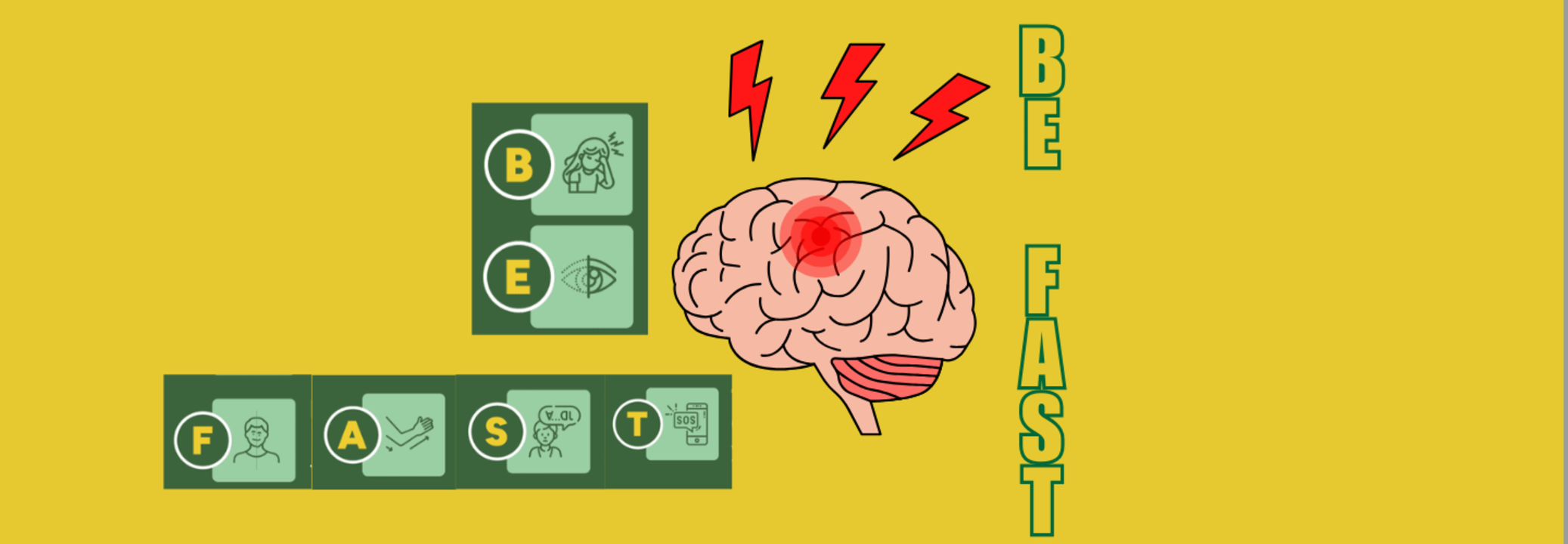
A stroke means the brain loses its necessary blood and oxygen supply. This can be caused by a blocked artery, leading to an ischemic stroke, or bleeding in the brain, leading to a hemorrhagic stroke, both of which cause major damage to the cells in the brain. In case no treatment is given immediately, the effects can be severe disability or even death. Therefore, early detection of stroke symptoms is crucial for prompt medical attention, which significantly improves recovery chances.The symptoms of a stroke can range from quite minor to full-blown. It can start as some weakness on one side of the body, which could be very slight; on the other hand, it might also lead to the inability to speak, walk, or even see properly. These symptoms can come very quickly, so it is important to take action as soon as warning signs develop.Strokes are medical emergencies that demand immediate attention. Studies confirm that patients who receive treatment within the first three hours of symptom onset experience better recovery and reduced disability compared to those who delay seeking care. 'BE FAST': Your Guide to Spotting Stroke Symptoms'BE FAST' is an easy-to-remember acronym that can save lives by helping you quickly identify stroke symptoms and act promptly:Balance: Sudden loss of balance or coordination. Eyesight: Abrupt changes in vision such as blurred or double vision. Face Drooping: Look for an uneven smile or one side of the face drooping. Arm Weakness: Check if one arm drifts downward when raised. Speech Difficulty: Notice slurred speech or difficulty understanding others.Time to Act: If any of these signs are observed, call emergency services immediately. Every minute counts when it comes to stroke treatment. Swift action can prevent long-term damage and even save lives. Recognizing Recurrent Stroke SymptomsThe danger of a recurrence is much increased after the survival of a stroke, especially in the days and months following the first stroke. The warning signs are usually the same but may be less apparent because of residual effects from the first stroke. Some warning signs of a repeat stroke include:- Sudden worsening of existing symptoms, such as increased weakness or slurred speech. - New symptoms in different areas, like weakness shifting to the other side of the body. -Struggling with tasks that were previously easy to perform.It is very important not to ignore the changes as unrelated to a stroke. Careful monitoring and swift medical intervention can result in all the difference in preventing an unfavorable outcome. Who at Risk? While anyone can get a stroke, some people are at a greater risk of getting a stroke owing to their lifestyle or health-related factors. Knowledge of these risk factors will help take preventive measures for avoiding strokes: Obesity and overweightIncreases tension to cardiovascular areas.Smoking Damages walls of blood vessels and accelerates the formation of clot. Excessive Alcohol Increased BP and other stroke risk conditions High cholesterol Contributes in arterioles blockage in areas through plaques Hypertension Primary reason of strokes. Chronic Conditions Diabetes and AF contribute in risk of stroke of suffering people.Fortunately, most of these risk factors can be controlled or reduced. Healthy eating habits characterized by a large intake of fruits and vegetables with whole grains; exercise regularly; and avoid bad habits like smoking and excessive drinking significantly contribute to lowering the risk of having a stroke.Strokes don't give second chances. The most crucial step toward the best possible outcome is recognizing the signs and acting on them. Emergency medical care, especially in the early hours following the onset of symptoms, can greatly minimize the impact of the damage and enhance long-term recovery.Teaching yourself and others the 'BE FAST' approach will make you much more prepared to tackle this medical condition. Whenever you or someone around you displays any one of the manifestations mentioned above, don't waste a minute—you call emergency services immediately.