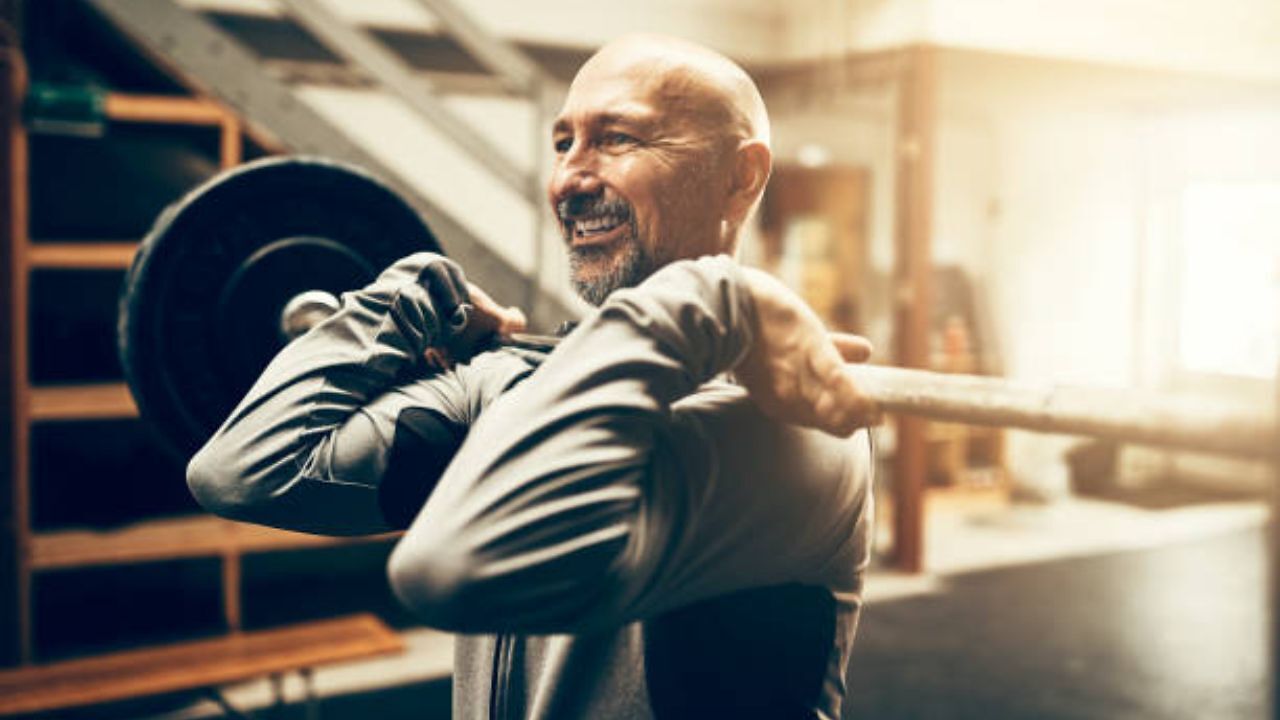
Getting older changes what your body is made of. Fat tends to build up while muscle shrinks.Now Texas A&M University researchers say creatine, a popular supplement, may help. In a 12-week study, adults aged 45 to 65 who took it gained lean tissue and strength, even without a structured exercise plan. But the study is small.What The Study FoundThe paper appeared in the Journal of the International Society of Sports Nutrition in August 2026. Also Read: XFG COVID Variant: What India Should Watch As Cases Rise In UK And France The researchers, led by principal investigator Richard Kreider, who directs Texas A&M's Exercise and Sport Nutrition Lab, said the 64 healthy adults finished the 12-week study. Each chose whether to join a supervised exercise and diet program. Then, within each group, they were randomly given either 10 grams of creatine a day or a placebo, a look-alike powder with no creatine. The participants did not knew which powder they were getting. Among those who did not exercise, the creatine group gained about 2.4 pounds of lean tissue, the researchers said. They also got stronger in the leg press and bench press. Those in the exercise program saw bigger gains with creatine than with a placebo in leg press, bench press and time to exhaustion, which is how long they could keep going before having to stop. Aerobic capacity did not seem to improve. Keeping muscle while losing weightLosing weight often means losing muscle too. In the exercise group, people ate a diet with a small calorie cut. After 12 weeks, those on creatine had gained nearly three pounds of lean tissue and lost fat, the researchers said. Those on a placebo showed little change in lean tissue. The researchers say creatine also cut body fat percentage more, which they believe is a first. What Is Creatine?Creatine is a chemical compound found naturally in the body and in several foods including meat, fish, and protein-rich plant-based sources like tofu, tempeh, beans, lentils, and nuts. Despite its natural occurrence and widespread use, especially among fitness enthusiasts, there is a growing body of evidence casting doubt on its effectiveness when used as a standalone enhancer for muscle growth. What To Keep In MindOnly 64 people finished the study. The researchers cautioned that because people chose their own exercise group, the groups may have differed in other ways. The study used 10 grams a day, while the paper describes 3 to 5 grams as a common long-term dose. Kreider says many people do not get enough creatine from food, according to Texas A&M. He says you would need five to 10 pounds of meat or fish a day to reach 10 grams. So the takeaway is simple. Creatine looks promising for holding on to lean tissue with age, but one small study is not the last word.