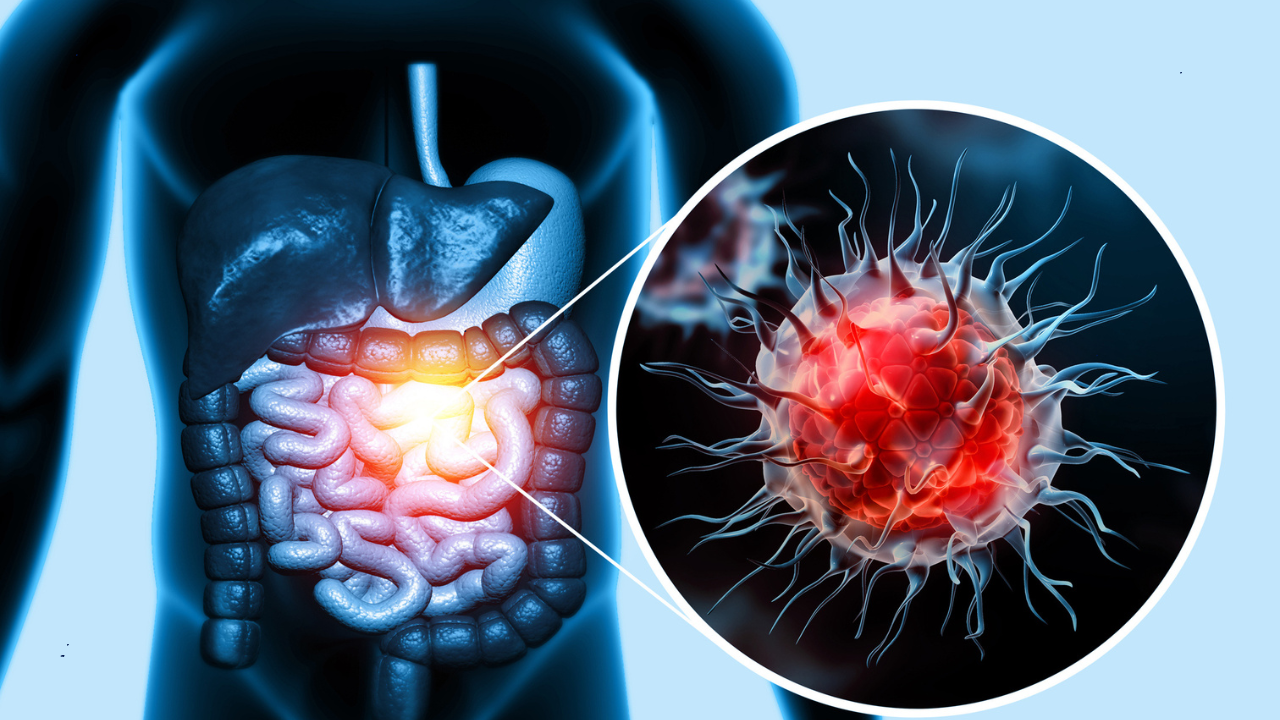
Colorectal Cancer is not only one of the most common and deadly cancers, but is also one of the most preventable ones. Unlike many other cancers, patients have a clear window of opportunity to stop it before it even begins. Almost always, these cancers start as small growths called polyps or precancerous lesions on the inner lining of the colon or rectum. There is a long interval of time before polyps develop into cancer. During this time, they can be removed if they are identified. If a doctor removes a precancerous polyp during a routine screening, they would not only have nipped the cancer in the bud, but would have also prevented it from occurring. However, there is a persistent taboo surrounding discussing bowel movements and other risk factors, and public understanding of its symptoms and crucial screening procedures frequently lags. Dr Jeremy Clark, a consultant general surgeon specializing in colorectal diseases at Nuffield Health in Brighton, has underscored five critical warning signs the public must recognize, The Independent reported. 1. Blood in stool “Passing blood when you go to the toilet is a worrying feature that you should flag to your GP,” Clark said, adding that the color can vary from bright red to almost black. “If you see blood in the stools, particularly darker-colored blood or blood that’s actually mixed in with the stools, just once, and it’s significant, that should be reported to your doctor straight away. Don’t wait for that to keep on happening,” he added. 2. Changes in Bowel Habits Dr. Clark stated that although more constipation may not be a risk factor, any sudden changes in bowel movements that last for a couple of weeks and do not go back to normal must be checked. “If your bowels go from working once a day like clockwork, and then suddenly you’re going two or three times a day, and the bowels are a bit looser, that’s something that needs to be looked into,” the expert added. 3. Abdominal pain Dr Clark highlighted that bowel cancers can cause abdominal pain, even in the initial days. 4. Bloatedness The feeling of being 'quite often’ bloated may also indicate that something is going wrong in the bowel, Dr. Clark said. 5. Unexplained weight loss Bowel cancers can impact digestion and cause weight loss Dr Clark said that as these symptoms are common with other conditions, such as hemorrhoids or irritable bowel syndrome (IBS), people often ignore or easily dismiss these symptoms. He urged patients not to ignore and visit their doctor if they notice any of these symptoms. Also read: US Health Secretary Robert F. Kennedy Jr. Stalls 600M Global Vaccine Aid For Poor Nations: ReportWhat Is Colorectal Cancer? The American Cancer Society notes that colorectal cancer is a cancer that starts in the colon or the rectum. Colorectal cancer impacts around 1.9 million people every year, noted the World Health Organization (WHO) as per its 2022 data. It is a disease of the large bowel and a type of cancer that originates from the rectum or colon. A person's colon, cecum, rectum, and anus make up the large intestine. According to experts, if you are above 45 years of age or have high-risk factors, you need to take the initiative to be screened. The FIT (Fecal Immunochemical Test) is a simple, non-invasive at-home stool test kit that can collect a small sample of your feces, which can then be tested. “If it comes back as positive, that means there is blood in your stools which needs to be investigated,” Clark said, adding that the next step is typically the Colonoscopy – the gold standard.