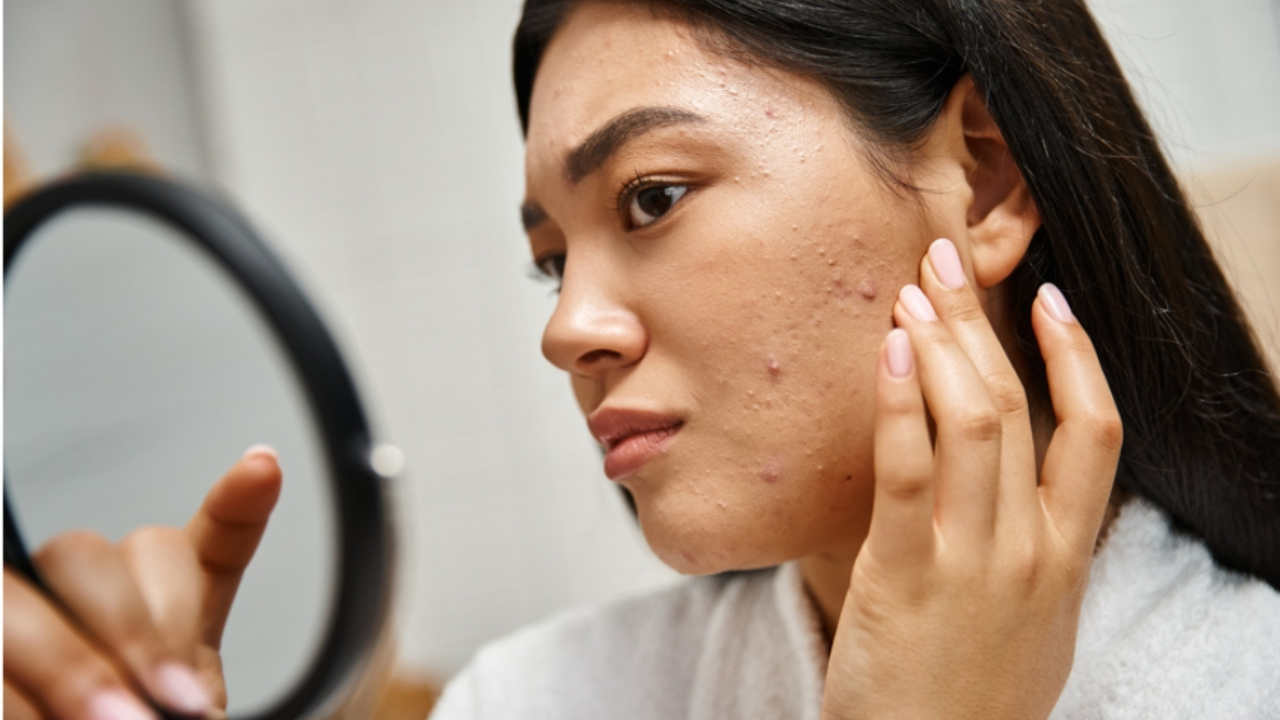
The most frustrating skincare experience is breaking out a week after using a new product. Niacinamide serum is the most common one that people blame when it happens. But the real question is: does Niacinamide cause purging? The answer is no, but understanding what happens in your skin when you introduce it can help you. A well-formulated Niacinamide Serum at the right concentration is very gentle on the skin. And pairing it with a Niacinamide Moisturizer helps your skin adjust if you are using it for the first time.What Is Skin Purging and How Is It Different from BreakoutsSkin purging is the result of an active ingredient accelerating your skin's natural cell turnover cycle. Your skin renews itself every 28 days. Retinol, AHAs, and BHAs speed up this process, which pushes microcomedones, trapped sebum, and dead cell buildup up to the surface faster.Your skin may appear like it is experiencing a sudden flare-up of pimples, but it is your skin clearing all the buildup in one go. True purging:Happens only with ingredients that increase cell turnoverAppears in the same areas you normally break outResolves within four to six weeksInvolves small whiteheads and blackheads rather than deep cystsA regular breakout appears in new areas with any product and does not follow the same predictable timeline. Understanding this difference is important before you blame any ingredient.Does Niacinamide Cause Purging?Dermatologists say no, and the reason comes down to how niacinamide works at the biological level. Purging occurs only when an ingredient accelerates cellular turnover, forcing the skin to shed faster to clear hidden congestion. Niacinamide is a form of Vitamin B3, and its action is fundamentally different. It works in the following manner:Regulates sebum production through the sebaceous glandsStrengthens the skin barrier by supporting ceramide productionNiacinamide reduces redness and inflammation caused by acneStops the transfer of melanin so that pigmentation reducesWhy Niacinamide Is Less Likely to Trigger PurgingNo Cell Turnover AccelerationCan niacinamide cause purging? Purging occurs when the old skin cells are shed, and new ones form at a faster pace. Niacinamide has no effect on this process. It works on controlling oil and improving barrier function. It does not work on exfoliation or renewal rate. There is no mechanism through which Niacinamide could cause purging without accelerating cell turnover.Regulates Sebum, Doesn't ExfoliateNiacinamide signals the sebaceous glands to produce less oil over time, whereas salicylic acid dissolves the sebum inside pores, and AHAs dissolve the bonds between dead skin cells. It reduces the congestion that leads to breakouts. Niacinamide for pimples works by calming the conditions that create them.Reduces Inflammation InsteadThe anti-inflammatory action of Niacinamide calms the redness and swelling around active breakouts. So, does niacinamide cause pimples? Its inflammation-reducing properties make it the safest active for acne-prone skin, which you can introduce at any concentration between 5% and 12%.What Could Actually Be Causing Your PurgingIf you started a niacinamide product and broke out, here are the more likely reasons for it.New Product AdjustmentAny new skincare product can cause a temporary adjustment period as your skin gets used to a new formula or ingredients. This is not purging, but your skin reacting to change. It settles within one to two weeks if the formula is compatible with your skin.Reaction to Other Formula IngredientsMany niacinamide serums contain additional actives, such as AHAs, BHAs, Retinol, or exfoliating enzymes, which increase cell turnover in your skin. If your Niacinamide serum contains these ingredients as well, the purging may result from them. So, always check the full ingredient list before blaming a reaction on any single ingredient.Wrong Concentration for Your SkinUsing a 20% Niacinamide formula directly when your skin has never used actives before can cause irritation that looks like a breakout. It's your skin reacting to a concentration that it is not ready for. A safe way is to start between 5% and 10% and build up slowly to prevent flare-ups.How to Add Niacinamide Properly to Your Skincare RoutineThe chances of a reaction reduce a lot when you introduce Niacinamide correctly.1. Patch test first: Take a small amount and apply it to your inner arm or jawline, and observe for any reaction in the next 24 hours before using it on your full face. Gentle ingredients can react differently on certain skin types, so you must do a patch test.2. Start at a lower concentration: 5% to 10% is the best starting point if you are a beginner. Give your skin four weeks at this level before going with anything stronger.3. Introduce one product at a time: If you add multiple new products all at once, you will never know which one is causing a reaction. Add Niacinamide on its own first and give it two to three weeks before introducing other active ingredients.4. Apply after washing your face: Niacinamide works best when the skin is fresh. Apply it after your face wash and before your moisturizer so that it absorbs better into the skin.5. Be consistent: The oil-regulating and pore-refining benefits of Niacinamide show only after four to eight weeks of daily use. So, you may not get the results if you stop using it abruptly because of an unrelated reaction.ConclusionIf you are still wondering, does niacinamide cause purging? It does not. An increase in cell turnover results in purging, and Niacinamide does not work that way. The main reasons for breakouts can be your skin trying to adjust to a new product or another active ingredient in the formula. Higher concentrations can also be tough for your skin to tolerate, which may result in breakouts.