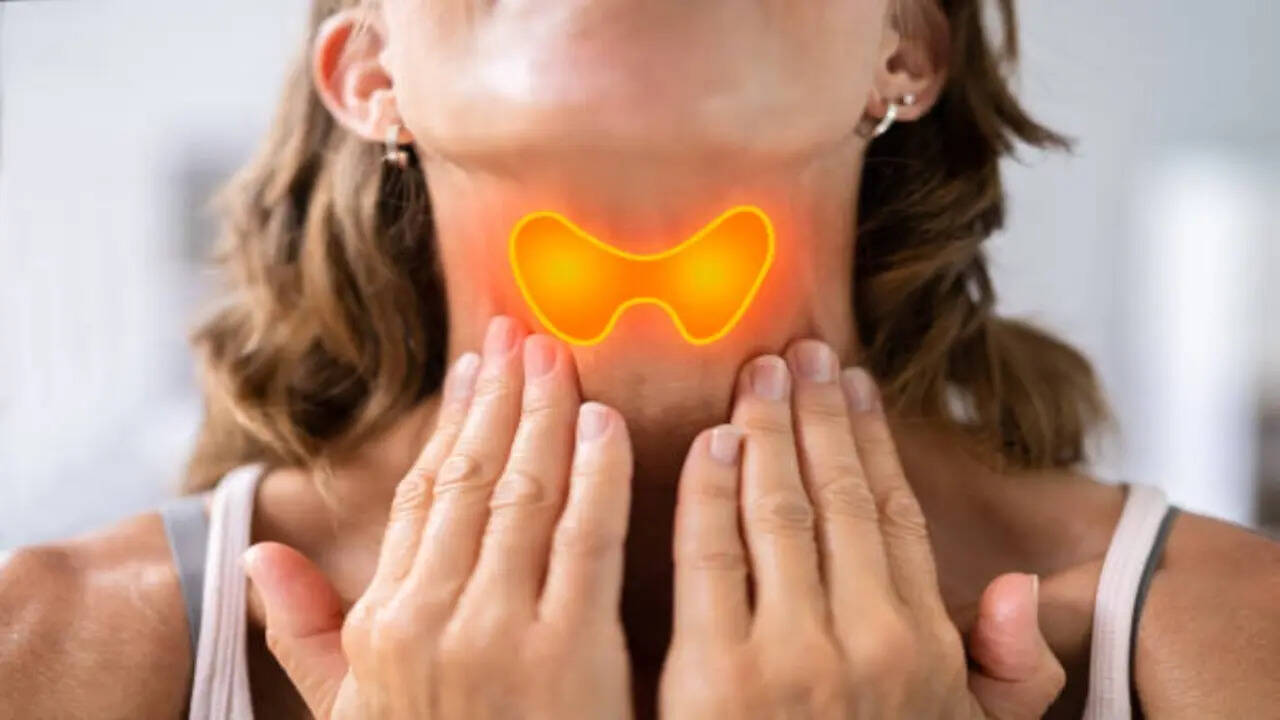
World Thyroid Day is observed on 25 May every year. This day aims to spread awareness about thyroid disorders, their symptoms, and management options that can help women. However, one concern that continues to linger with respect to thyroid disorders is why they occur more often in women. Hormonal changes, lifestyle factors, and a higher risk of autoimmune conditions can increase the risk of thyroid problems in women. Yes, that’s right! Hence, women should ensure they go for timely health check-ups. Here, an expert highlights vital tips for women. Read on to know more about this and seek timely help. Remember, thyroid problems should not be left untreated at all.In an interview with Health and Me, Dr Shruti Kotangale, Consultant Gynaecologist, Obstetrician, and Infertility Expert at AIMS Hospital, Dombivli, explained why thyroid problems are more common among women. Read here to know how gender makes a difference.Why do thyroid disorders occur more often in women?Thyroid disorders are rising among many women. The thyroid is a small gland in the neck, but it plays a critical role in controlling metabolism, energy levels, and maintaining hormonal balance. Women can suffer from thyroid problems because of frequent hormonal changes during puberty, pregnancy, and menopause. These changes can impact thyroid health. Lifestyle factors such as stress, poor diet, and lack of sleep can also worsen thyroid imbalance. Hence, women are at a higher risk of suffering from autoimmune conditions, where the body’s immune system attacks the thyroid gland.Hypothyroidism vs hyperthyroidismConditions such as hypothyroidism (underactive thyroid) and hyperthyroidism (overactive thyroid) are commonly seen in women. Hypothyroidism occurs when the thyroid gland is underactive. Symptoms can include tiredness, weight gain, dry skin, hair fall, constipation, feeling cold, a slow heartbeat, and low mood or depression. Hyperthyroidism occurs when the thyroid gland becomes overactive, and women may experience weight loss, a fast heartbeat, sweating, anxiety, tremors, irritability, frequent bowel movements, and even difficulty sleeping. Women are advised to seek immediate medical attention and manage these symptoms without any further delay.How to manage thyroid disorders?Thyroid disorders may be concerning, but they are manageable with appropriate care and management tips as recommended by experts. Both hypothyroidism and hyperthyroidism can be managed with timely diagnosis, regular screening, and taking medications as suggested by the doctor. It is also important to eat a balanced diet, exercise daily for at least 30 minutes, get sound sleep at night, and de-stress through yoga and meditation. This World Thyroid Day, the focus should be on awareness, regular check-ups, and taking small steps to stay healthy and manage thyroid problems. Moreover, follow the doctor’s advice and do not self-medicate, as doing so can be risky.So ladies, this World Thyroid Day, make an effort to know more about this group of disorders that affects your gender more often than men. Be it fatigue, mood swings, or weight fluctuations, it is imperative to know the early warning signs of this condition in order to work towards a more preventive approach.