
- Health Conditions A-Z
- Health & Wellness
- Nutrition
- Fitness
- Health News
- Ayurveda
- Videos
- Medicine A-Z
- Parenting
Four Vaccines That May Help Reduce Dementia Risk
Credits: Canva
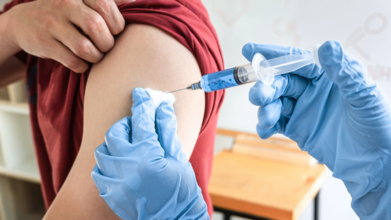
Vaccines are best known for protecting us from infectious diseases, but research suggests their benefits may extend beyond that. Several studies show that routine immunizations may also be linked to a reduced risk of dementia. While more research is needed to establish causation, the evidence is growing stronger, offering another reason to stay up to date with vaccines.
The Flu Shot: More Than Seasonal Protection
Flu season in the United States affects tens of millions each year, with thousands of deaths reported annually. Beyond the immediate risk of severe illness, influenza and related complications such as pneumonia have been linked to neurodegenerative conditions, including dementia and Parkinson’s disease.
Also Read: Walmart Recalls Pasta and Meatballs Over Listeria Contamination; What You Should Know
Large-scale studies, including a 2023 study published in journal Neuron, highlight the long-term benefits of flu vaccines. One study published in 2022, in the Journal of Alzheimer's Disease, titled: Risk of Alzheimer’s Disease Following Influenza Vaccination: A Claims-Based Cohort Study Using Propensity Score Matching, is an analysis of over 1.8 million adults aged 65 and older found that those who received at least one flu shot were 40% less likely to develop Alzheimer’s disease within the next four years. Another study with 70,000 participants in 2024 found a 17 percent reduction in dementia risk.
Despite these findings, fewer than half of Americans get the flu vaccine each year. The Centers for Disease Control and Prevention (CDC) recommends annual flu shots for everyone over six months old, usually in the early fall.
The Shingles Vaccine: Strongest Evidence
Among vaccines studied, the shingles vaccine shows the most consistent association with reduced dementia risk. A 2025 study in Wales published in journal Nature, titled A Natural Experiment on the Effect of Herpes Zoster Vaccination on Dementia, involving over 280,000 adults, reported a 20 percent lower dementia risk over seven years among those who received the vaccine. Similar results were observed in an Australian study of more than 100,000 patients.
The shingles vaccine prevents the reactivation of the varicella-zoster virus, which causes chickenpox in childhood and remains dormant in nerve cells. In adulthood, reactivation leads to shingles, a painful rash that can trigger chronic complications. Its ability to protect the nervous system may explain its link to dementia prevention.
The CDC recommends two doses of the shingles vaccine for adults aged 50 and older, and for younger adults with weakened immunity. Yet, vaccination rates remain low, only 36% of eligible Americans received it in 2022.
The RSV Vaccine: A New Option
Respiratory syncytial virus (RSV) is a common infection that can become dangerous in infants and older adults. In the U.S., it leads to thousands of hospitalizations and deaths every year. The first RSV vaccine was only approved in 2023, but early findings already suggest cognitive benefits.
Also Read: West Nile Virus Risk Raised To ‘High’ As Two New Cases Emerge In The US
A recent study, published in journal Nature, titled Lower Risk of Dementia with AS01- adjuvanted vaccination against Shingles and Respiratory Syncytial Virus Infections, of more than 430,000 people showed that those who received the RSV vaccine had a lower risk of dementia over 18 months compared with people who got the flu vaccine. The CDC currently recommends RSV vaccination for adults over 75, and for those over 50 at higher risk.
The Tdap Vaccine: An Added Layer of Protection
The combined tetanus, diphtheria and pertussis (Tdap) vaccine is another shot linked to lower dementia risk. A 2021 study published in the Journal of the American Geriatrics Society, titled: Comparison of rates of Dementia among older Adult Recipients of two, one, or No Vaccinations, of more than 200,000 patients found that individuals who received both shingles and Tdap vaccines had a further reduction in risk compared with those who received only one.
The CDC advises a Tdap vaccine for all adolescents and a booster every 10 years for adults. Despite this, only about 30 percent of eligible U.S. adults had received it as of 2022.
Why Vaccines May Matter for the Brain
Scientists believe vaccines may protect the brain in two main ways. First, by preventing severe infections, they reduce the risk of systemic inflammation, which has been linked to brain atrophy and dementia. Second, vaccines may enhance immune system function in ways that indirectly protect cognitive health.
Although studies cannot fully rule out differences in lifestyle between vaccinated and unvaccinated groups, stronger evidence continues to emerge, particularly for the shingles vaccine. Researchers are now calling for randomized trials to confirm the protective effect.
Staying Up to Date
Health experts stress that while vaccines may play a role, dementia risk is also influenced by lifestyle factors. The 2024 Lancet Commission reported that up to 45 percent of cases could be delayed or prevented with changes such as maintaining healthy blood pressure, staying socially engaged, moderating alcohol, and addressing hearing loss.
Also Read: Are We Facing An Overreaction Epidemic? Here’s What It Is And How To Cope
Vaccines, however, add another layer of defense. With their ability to protect against infections and potentially guard against cognitive decline, keeping up to date with routine immunizations may be one of the simplest steps toward protecting long-term brain health.
NAFLD to MASLD: Experts Explain Why This Common Yet Dangerous Liver Condition Got Renamed
Credit: iStock
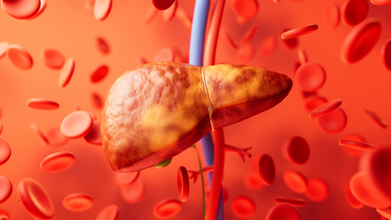
Once widely known as non-alcoholic fatty liver disease (NAFLD), the common and dangerous fatty liver condition was rephrased as Metabolic Dysfunction-Associated Steatotic Liver Disease (MASLD) due to its strong link to metabolic health issues like obesity and diabetes.
MASLD now includes patients with fatty liver disease linked to metabolic risk factors such as obesity, diabetes, and hypertension.
MASLD: So What Prompted The Change?
Globally, it was observed that all patients who have non-alcoholic fatty liver disease also have some associated form of metabolic dysfunction. The patients reported having either obesity, diabetes, metabolic syndrome, hypertension, or cholesterol problems.
And all these problems eventually lead to significant comorbidities later, like some people developed heart disease, while others developed complications of diabetes.
In view of these, a global consensus process in 2023 involving hundreds of experts from different countries adopted MASLD as it better reflected these underlying causes of the condition.
What Does MASLD Mean?
Also read: Lancet Study Shows Metabolic Liver Disease To Rise Over 38% By 2050: What’s Behind The Surge
MASLD is an umbrella term for liver conditions that develop in the presence of 1 or more cardiometabolic risk factors—including high blood sugar, elevated body mass index (BMI), and hypertension—but in the absence of other causes of liver fat accumulation.
The condition can be defined by excess liver fat accumulation (more than 5 per cent of liver weight) in the presence of metabolic dysfunction, independent of alcohol intake.
It encompasses a spectrum from simple steatosis to steatohepatitis, fibrosis, cirrhosis, and hepatocellular carcinoma.
“Initially, it was thought that having fatty liver disease without alcohol was a benign condition, but now it is recognized that, since it is associated with lots of metabolic comorbidities, it's no longer benign,” Dr. Ashish Kumar, Professor of gastroenterology and hepatology at Sir Ganga Ram Hospital in New Delhi, told HealthandMe.
He stated that whenever a diagnosis of fatty liver is present, "we should actually include other comorbidities, like obesity, dyslipidemia, which means cholesterol problem, diabetes, sugar problem, pre-diabetes, and hypertension. At least 50–70–80 percent of these patients will have one or more of these comorbidities".
Why Alcohol Is Not The Only Culprit For Fatty Liver
Although alcohol has remained the number one risk for liver disease, MASLD seems to be rising globally, including among people who do not drink. Why?
The reasons include:
a sedentary lifestyle,
increased consumption of fast and processed food,
lack of exercise,
lack of sleep,
stressful life.
Also read: Why Regular Scans Are Crucial for Liver Cancer Patients: Doctors Explain
The experts noted that food, especially the increasingly accessible junk food or processed food, is a major culprit.
“So even if the person is not drinking alcohol, people are developing addiction to processed food, and this is causing an epidemic level of obesity and diabetes. Consequently, MASLD is also increasing, and now it is becoming the number one cause of liver disease,” Dr Kumar said.
How To Prevent MASLD?
According to Dr. Sanjay Goja, Director, Liver Transplant & HPB Surgery, Narayana Hospital, Gurugram, prevention must focus on following a healthy lifestyle like maintaining a healthy BMI, engaging in regular physical activity, and eating a balanced diet.
Controlling diabetes, cholesterol, and blood pressure is also important to prevent the risk of MASLD.
Dr Siddharth Badola, Manipal Hospital, Ghaziabad, suggested sustainable lifestyle changes such as:
Maintaining an adequate body weight: Even slight weight loss (5–10 percent) has been shown to significantly reduce liver fat and inflammation.
Follow a balanced and nutrient-rich diet: People should focus on consuming whole grains, fresh fruits and vegetables, lean proteins, and healthy fats, while limiting refined carbohydrates and processed foods.
Avoid foods with added sugar: Excess consumption of fructose, commonly found in packaged foods and sugary beverages, is a key contributor to fat accumulation in the liver.
Engage in regular physical activity: At least 150 minutes of moderate-intensity exercise per week is recommended to improve insulin sensitivity and liver health.
Manage associated metabolic conditions: Effective control of diabetes, hypertension, and dyslipidemia is essential in reducing the risk of MASLD progression.
Ensure adequate sleep and stress management: Poor sleep quality and chronic stress can negatively impact metabolic balance and liver function.
Keep your body hydrated with ample water intake and follow structured meal timings.
Can You Get A Heart Attack In Your 30s?

Heart attacks are now affecting younger people. (Photo credit: iStock)
Although a heart attack is generally considered a disease of the elderly, its incidence in young individuals is unfortunately on the rise. The reasons behind this are multifactorial. A heart attack is a condition where one of the arteries (blood vessels) suddenly becomes partially or completely occluded by a thrombus. Although the thrombus generally occurs suddenly, the underlying reason is a chronic process of lipid deposition in the vessel walls called atherosclerosis. Atherosclerosis can begin even in the first decade of life, but events like heart attacks conventionally occurred beyond 45 years in men and 55 years in women. On average, heart attacks occur in Indians about 10 years earlier than in their Western counterparts.
Dr Shyam Sasidharan, Consultant, Department of Cardiology, KIMSHEALTH Thiruvananthapuram, spoke about the early onset of heart attacks. From a population perspective, the rising number of heart diseases due to coronary artery disease (CAD) is significant not only because of its overall negative impact on the healthy population but also due to the potential for preventive interventions.
Heart attacks among younger people
Acute coronary syndromes, or heart attacks, are on the rise among younger individuals, particularly in our country. Studies of the Asian-Indian migrant population have revealed a probable racial predisposition for premature CAD. However, the majority of the risk can still be attributed to the increased incidence of conventional CAD risk factors in young people, such as obesity, inactivity, diabetes, hypertension, and dyslipidaemia.
Smoking and substance abuse are resulting in more heart disease among the young. Lesser-discussed, unconventional risk factors, such as mental stress, lack of healthy employment practices, environmental pollution, and lack of proper food safety regulations, are in fact contributing significantly to this silent epidemic. COVID-19 infection as well as vaccination were widely attributed as causes of heart attacks in young people, but without adequate scientific evidence.
How to reduce heart disease risk in your 30s?
- Creating awareness: The most important step towards prevention is creating awareness. Awareness regarding heart disease risk factors, healthy lifestyle choices, early symptoms of heart attack, and the need for timely medical attention is crucial.
- Diet and physical activity: With rapid urbanisation and industrialisation, a nutritional transition is occurring in India. An increase in refined sugars, fats, and processed foods sets the stage for premature heart disease. Efforts to increase physical activity to at least 30 minutes of moderate activity per day, for five days a week, need to be promoted.
- Prevention programmes: Programmes targeting the prevention of early development of lifestyle diseases such as diabetes, hypertension, and dyslipidemia need to be extended to younger individuals. Improving access to medical services across all social strata can enhance prevention, early detection, treatment, and reduction in morbidity and mortality from heart diseases.
- Political will: Efforts to curb pollution, promote a better work culture, and enforce strong legislation for food safety will go a long way in not only preventing early heart disease but also promoting the overall health of the population.
- Preventive health check-ups: At an individual level, promoting healthy habits and undergoing regular health check-ups can contribute significantly towards early detection of risk factors as well as early diagnosis of heart disease itself.
- Improving mental health: There should be more discussions and interventions focused on overall mental health, work–life balance, and happiness, as these are known to impact heart health.
World Chagas Disease Day: Women Key To Prevent, Eliminate The Fatal Neglected Tropical Disease
Credit: Canva/WHO
Women can play a major role in preventing as well as eliminating Chagas Disease, a potentially life-threatening neglected tropical disease that affects 8 million people globally and causes 10,000 deaths every year, according to UN agencies.
World Chagas Disease Day is observed every year on April 14 to raise awareness around the disease, and the impact it has on lives.
In a statement, the Pan American Health Organization (PAHO) and the Global Chagas Coalition urged health authorities to make women central to the fight against the disease and to empower them to make early detection, prevention, and care.
“Eliminating Chagas disease as a public health problem requires placing women at the center of diagnosis, treatment, and care strategies,” said Dr. Jarbas Barbosa, PAHO Director.
“Ensuring timely access to quality health services, particularly for women of reproductive age, is essential to prevent new infections and advance toward the elimination of congenital Chagas disease in the Region of the Americas,” he added.
What Is Chagas Disease?
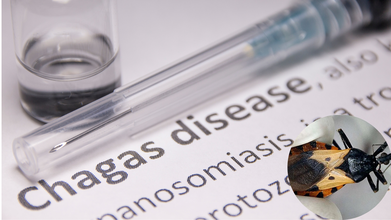
Chagas disease, also known as American trypanosomiasis, is a illness caused by the parasite Trypanosoma cruzi, and is primarily transmitted by triatomine insect vectors.
It gets spread through
- oral transmission,
- blood transfusion,
- mother-to-child.
- through transplants of some organs (such as heart or kidney)
- through laboratory accidents.
If left untreated, one third of infected people—including women and the children they carry—will develop life-altering heart, digestive, and even neurological conditions, and may even become fatal.
Once endemic to 21 countries in Latin America, the disease has now spread globally due to migration. It is now a global health concern with cases found in 44 countries including the US, Canada, Europe, Australia, and Japan.
World Chagas Disease Day 2026: Theme
World Chagas Disease Day was celebrated for the first time in 2020.
The theme this year is “Women at the heart of care, protecting the next generation” and underscores the key role women play in family and community caregiving, as well as their greater interaction with health services, particularly during pregnancy.
Chagas Disease: Role Of Women
According to the World Health Organization (WHO), about 2 million women aged 15-44 years are living with Trypanosoma cruzi infection worldwide.
Congenital transmission or mother-to-child transmission remains a major challenge, occurring in about 3–5 percent of pregnancies. However, it also provides a key opportunity for effective intervention.
The transmission cycle of the disease can be effectively broken by
- Treating infected girls and women before pregnancy
- Strengthening screening in maternal and child health services
- Eaccess to diagnosis and treatment.
- Newborn screening can help diagnose and treat, with a cure rate exceeding 90 percent.
- Increase awareness at community and family levels.
- Avoid foodborne transmission
“On the contrary, it represents a strategic opportunity to strengthen more equitable, accessible, and responsive health systems that recognize and respect women’s needs.”
- Follow Us :


© 2024 Bennett, Coleman & Company Limited