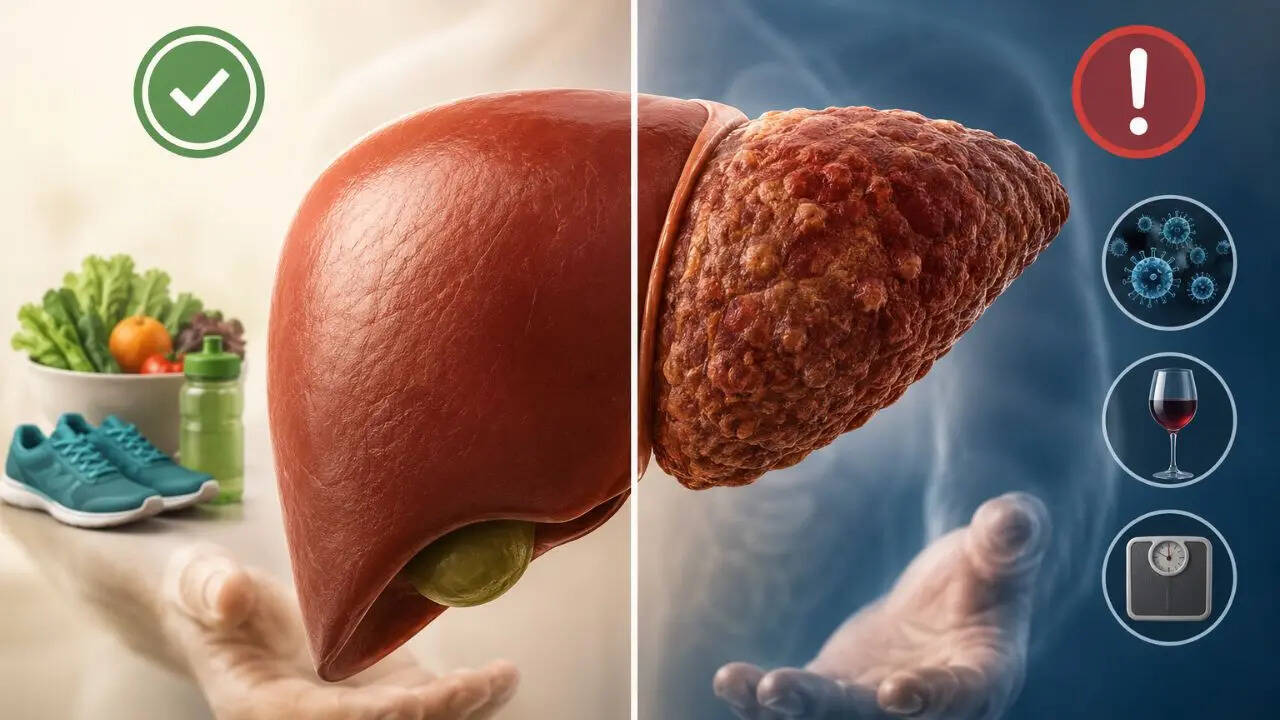
Liver disease is unusual among serious conditions in that it can progress significantly without producing symptoms that would prompt most people to seek medical attention. Hepatitis, which is inflammation of the liver, is the most common starting point for that progression. It may be caused by viral infections including Hepatitis B and Hepatitis C, excessive alcohol consumption, fatty liver disease, certain medications, or autoimmune conditions. In many cases, the person carrying it feels entirely well while damage accumulates over months and years.How Chronic Inflammation Causes Lasting Liver DamageThe liver does regenerate, but that capacity has limits. When inflammation persists, healthy liver cells are progressively replaced by scar tissue, a process called fibrosis. Continued scarring eventually produces cirrhosis, where the liver loses its structural integrity and its ability to perform the functions the body depends on it for, such as processing toxins, producing proteins involved in blood clotting, regulating metabolism, and supporting digestion. At this stage, the damage is largely irreversible.The timeline from hepatitis to cirrhosis typically spans years or even decades, which is precisely what makes delayed diagnosis so consequential. Each year of untreated inflammation is a year of accumulated scarring. By the time cirrhosis produces obvious symptoms such as jaundice, abdominal swelling from fluid accumulation, internal bleeding from enlarged veins in the oesophagus, cognitive changes from toxin build-up, kidney involvement, the disease has already reached an advanced stage. Cirrhosis also carries a significantly elevated risk of liver cancer.Also read: Smoking, Diabetes, High Blood Pressure May Fuel the Most Dangerous Type of Artery Plaque, Study Finds Early Detection Can Prevent Disease ProgressionThe clinical picture is meaningfully better when liver disease is identified early. Effective antiviral medications can control chronic Hepatitis B and cure most cases of Hepatitis C, substantially reducing the risk of progression. Fatty liver disease, when caught before significant fibrosis has occurred, can often be reversed through weight management, blood sugar control, reduced alcohol intake, and consistent physical activity. These interventions are accessible, evidence-based changes that work when applied before the disease has advanced. Screening is where early identification happens. Blood tests measuring liver enzymes and imaging studies can detect liver inflammation and early fibrosis well before symptoms appear. For individuals with diabetes, obesity, a family history of liver disease, a history of blood transfusions, or other known risk factors, periodic liver assessment is a practical and important part of routine care rather than an optional precaution.Also read: IIT Delhi, AIIMS Develop First Hindi Music Therapy for Stroke Patients: How Survivors Find Their Voice Who Should Get Screened And Why It Matters The pattern that gastroenterologists consistently encounter is patients presenting with advanced liver disease who had risk factors identifiable years earlier. Hepatitis B and C are both detectable through simple blood tests. Fatty liver shows up clearly on ultrasound. The window for effective intervention exists, and it is considerably wider earlier in the disease than most people assume when they have never been tested. This draws attention to a disease that carries a substantial global burden but remains widely undertreated because it does not announce itself. For anyone with known risk factors, or who has never had their liver function assessed, the appropriate response to that is a conversation with a physician, before symptoms, rather than after. By Dr. Saswata Chatterjee, Senior Consultant – Gastroenterology, CMRI Hospital