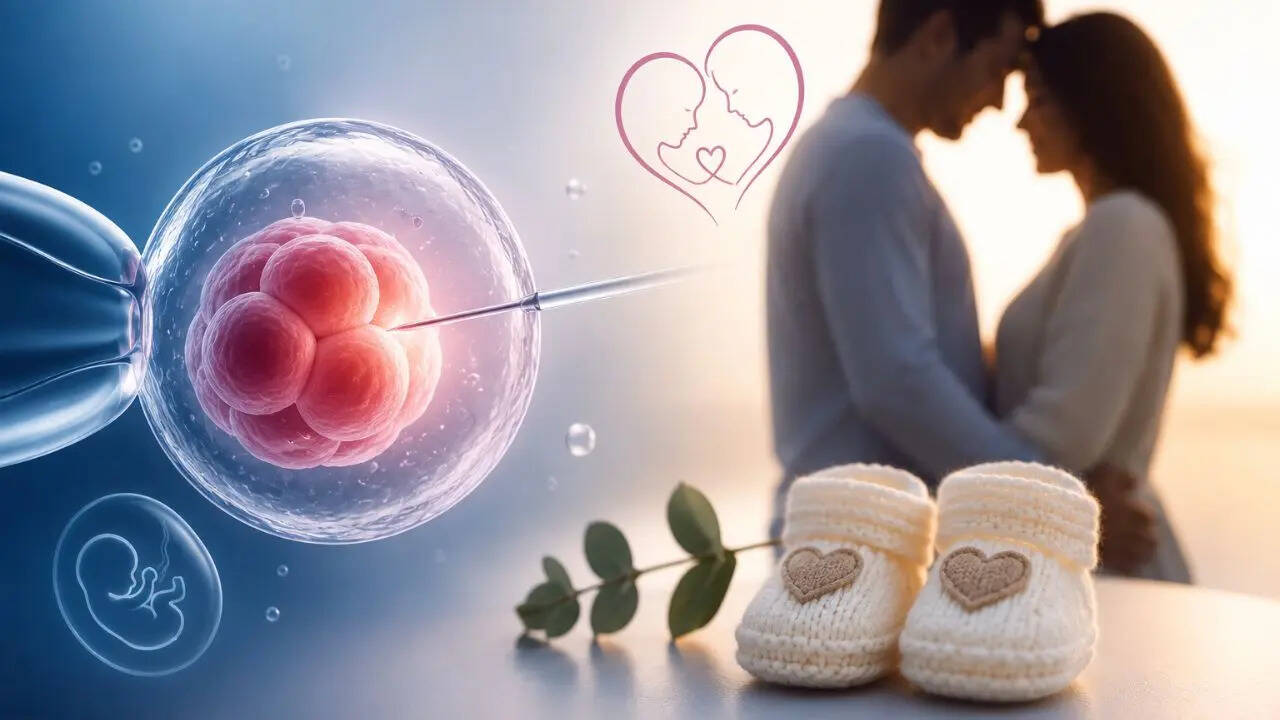
The process of becoming parents is one of hopes, anxieties, and numerous waits for many couples. Infertility does not only refer to a medical problem but is a psychological and sociological problem that can influence relationships, confidence, and overall psychological state of an individual. The World Health Organization states that about one out of six individuals experience infertility at some point in life. Infertility Needs Couple-Based Evaluation Infertility cannot be considered a problem for women only from the perspective of obstetrics and gynaecology. Infertility problems in women can be associated with ovulatory disorders, PCOS, endometriosis, blocked fallopian tubes, fibroids, decreased ovarian reserve, or declining quality of eggs due to the advanced age of the woman. In men, infertility may relate to low sperm count, impaired sperm mobility or morphology. Correct diagnosis is the key point of developing the appropriate treatment program.Also read: 'You Are Just Tired': When Postpartum Depression Goes Unnoticed At Home IVF: A Scientific Pathway to Parenthood With the emergence of in-vitro fertilization, known as IVF, people can now have children even if they do not possess the ability to conceive through natural means. This technique is achieved through stimulation of ovaries, egg collection, fertilizing collected eggs using sperm in laboratory conditions, and implantation of a healthy embryo into the womb. Nonetheless, this method is not a simple one-time process but rather a medically guided journey. Every treatment is based on individual factors of the woman. Embryology: The Silent Backbone of IVF Embryology in the modern age has revolutionized the results of IVF procedures. Embryo selection can be done through procedures like ICSI, blastocyst culture, grading of embryos, cryopreservation and, in some cases, genetic screening to select healthier embryos. ICSI is especially helpful in the case of male infertility, in which a single sperm is introduced into an egg.Also read: Miles Apart, But Planning A Family Together: The Fertility Reality Of Long-Distance Marriages In India Safer Pregnancy, Not Just Positive Pregnancy The purpose of IVF is not just conception but the creation of a successful and safe pregnancy. In the past, many embryos were used to increase the chances of conception, but that caused complications with either twins or triplets. But now, because of better screening, fewer embryos can be transferred where appropriate, thus decreasing pregnancy risk. According to CDC figures, 37.5% of ART cycles ended in live-birth delivery. The advances in IVF and embryology have revolutionized fertility treatments into an arena of hope and possibilities. With proper counselling, couples can embark upon their fertility journey with certainty. Being parents was once the dream of many people; however, with the advancements in the scientific field, science is now enabling many couples to fulfill this dream.By Dr. Nisha Mangal, Senior Consultant - Obstetrics & Gynaecology, Cocoon Hospital, Jaipur