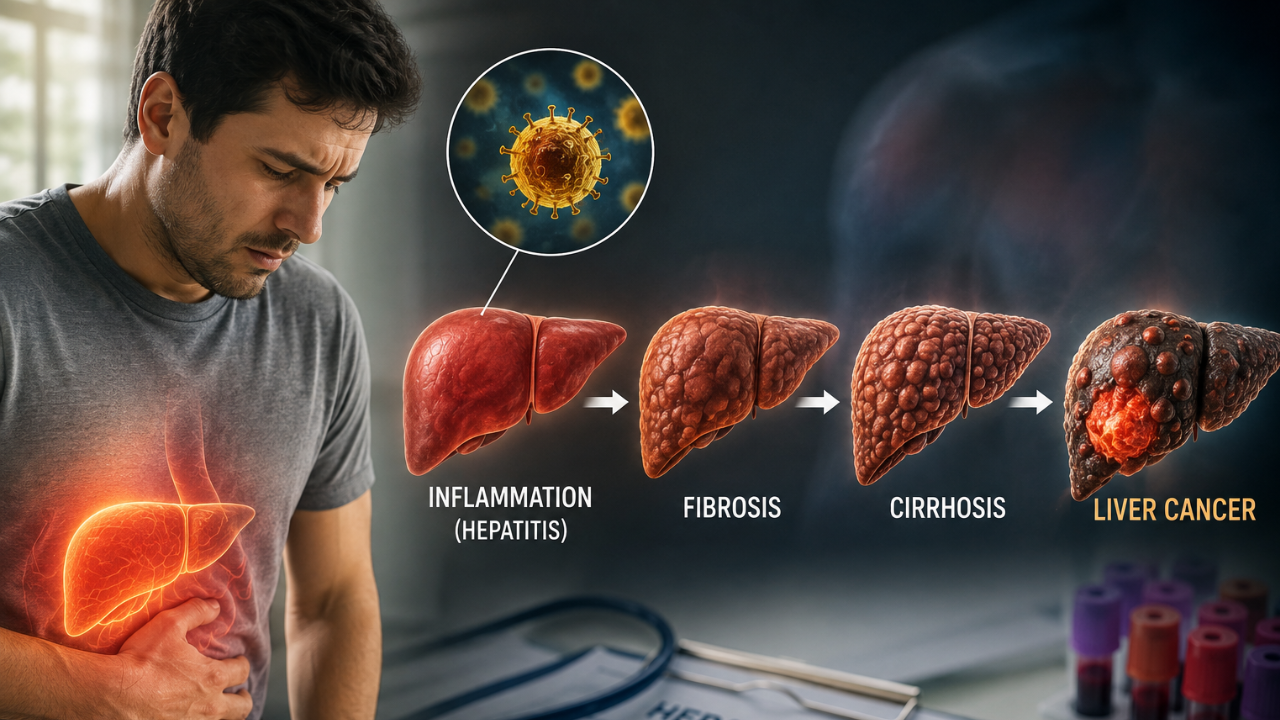
Liver diseases are becoming increasingly common in India, yet many people are unaware of the difference between fatty liver and hepatitis. While both conditions affect the liver, their causes, treatment, and long-term risks are very different. Understanding these differences is important because untreated hepatitis can, in some cases, lead to liver cancer over time.Fatty Liver And Hepatitis: What’s The Difference?Fatty liver disease occurs when excess fat accumulates in the liver. In India, it has emerged as a major health concern due to rising rates of obesity, diabetes, sedentary lifestyles, and unhealthy dietary habits. Studies suggest that nearly one in three Indian adults may have fatty liver disease.Hepatitis, on the other hand, means inflammation of the liver. It can be caused by viral infections such as Hepatitis B and Hepatitis C, excessive alcohol consumption, certain medications, or autoimmune disorders. Unlike fatty liver, hepatitis can directly damage liver cells and trigger long-term scarring of the liver if left untreated.Also read: England Set To Become One Of The First Countries To Eliminate Hepatitis C; Here's HowWhy Chronic Hepatitis Can Raise Liver Cancer RiskOne of the biggest concerns with chronic hepatitis, particularly Hepatitis B and Hepatitis C, is its association with liver cancer. The infection can silently persist for years without causing noticeable symptoms. During this period, continuous inflammation may lead to fibrosis (scarring), cirrhosis, and eventually hepatocellular carcinoma, the most common type of liver cancer. According to the World Health Organization (WHO), chronic hepatitis B significantly increases the risk of liver cancer and remains one of the leading causes of liver cancer-related deaths worldwide.India’s Silent Hepatitis Burden India continues to carry a substantial burden of viral hepatitis. WHO estimates indicate that nearly 40 million Indians are living with chronic Hepatitis B infection and between six and twelve million with chronic Hepatitis C infection. Many remain undiagnosed because early disease often causes no symptoms.Warning signs that should not be ignored include persistent fatigue, loss of appetite, abdominal discomfort, unexplained weight loss, jaundice (yellowing of the eyes and skin), dark urine, or swelling in the abdomen. However, many patients with chronic hepatitis may feel completely healthy until significant liver damage has already occurred.Can Hepatitis-Related Liver Cancer Be Prevented?Also read: How Chronic Hepatitis Quietly Progresses To Liver Cirrhosis: Why Early Action Can Save Your Liver"The good news is that liver cancer arising from hepatitis is often preventable. Hepatitis B vaccination is safe and highly effective. Regular screening, timely antiviral treatment, and periodic liver monitoring can significantly reduce the risk of cirrhosis and liver cancer"- said Dr Ashwin Rajbhoj from M|O|C Cancer Care Pune. Similarly, maintaining a healthy weight, controlling diabetes, exercising regularly, and limiting alcohol intake can help prevent and reverse fatty liver disease in its early stages, he added.The key message is simple: fatty liver and hepatitis are not the same disease. While fatty liver is primarily linked to lifestyle and metabolic health, chronic viral hepatitis can silently progress to liver cancer if neglected. Early diagnosis and timely treatment remain the best defence against serious liver complications.By Dr Ashwin Rajbhoj, M|O|C Cancer Care, Pune