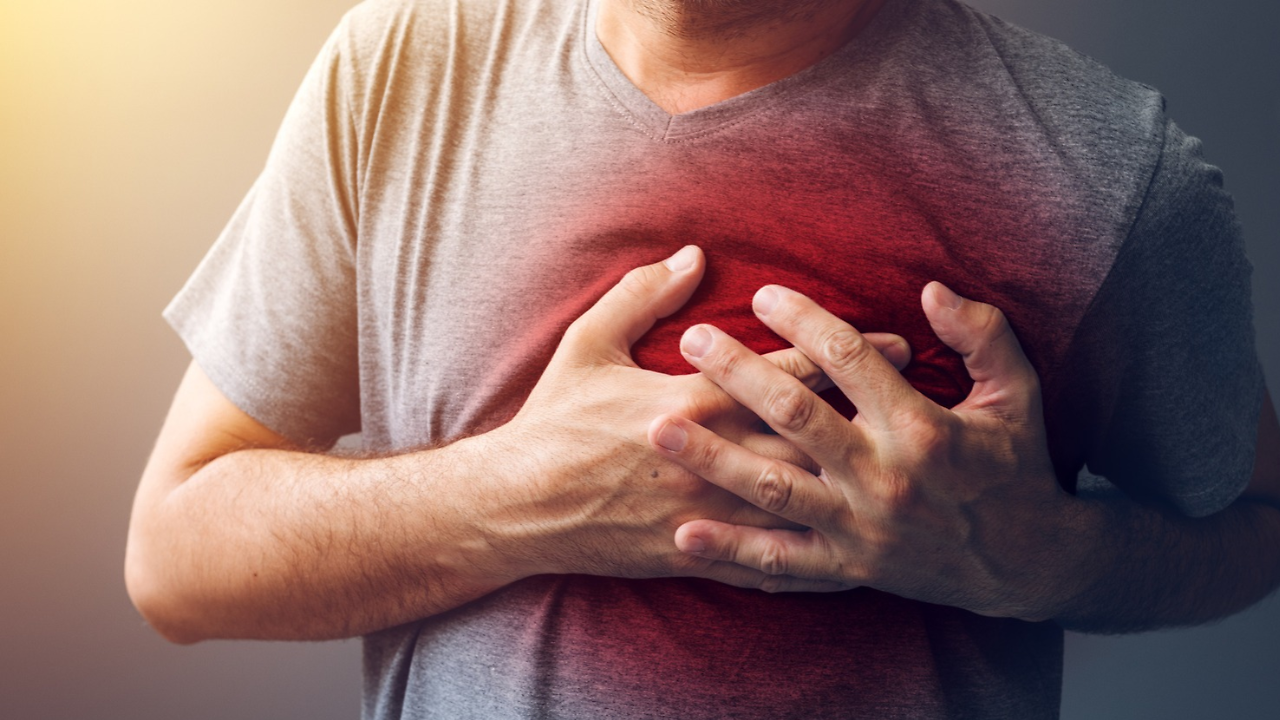
Imagine sitting alone at home when you suddenly feel pressure in your chest. You start sweating, your breathing becomes difficult, and something feels terribly wrong. Is it acidity, anxiety, or a heart attack? Should you call someone, take medicine, or rush to the hospital? The first decision could save your life.Recognising The Warning Signs Of A Heart AttackA heart attack occurs when blood flow to part of the heart muscle becomes blocked. The longer the blockage continues, the greater the risk of permanent damage. Recognising the warning signs and seeking immediate medical help is therefore critical.A heart attack does not always cause severe chest pain. It may begin with pressure, tightness or discomfort in the chest, sometimes spreading to the arm, jaw, neck or back. Breathlessness, cold sweats, nausea and sudden dizziness are other warning signs. Women, older adults and people with diabetes may experience less obvious symptoms, including unusual fatigue or breathlessness without significant chest pain.If you suspect a heart attack, immediately dial 112, India's emergency response number, or specific operator of your state. Tell the operator your exact address, describe your symptoms and clearly mention that you are alone. Do not wait for the pain to become unbearable or try to drive yourself to hospital.Also read: From Rhabdomyolysis To Heart Attack: Why Marathons Can Turn DangerousWhat To Do While Waiting For Medical HelpSit comfortably, preferably with your back supported, and avoid unnecessary movement. Keep your phone nearby and remain connected to emergency services if instructed. If possible, unlock your main door so emergency responders can enter quickly. Inform a neighbour or family member, but only after calling for medical assistance. If you have been prescribed nitroglycerin for angina, take it exactly as directed. Do not take someone else's medication. Aspirin may help during a suspected heart attack, but take it only if the emergency operator or your doctor advises you to do so, considering allergies and bleeding risks. Do not attempt forceful coughing, repeatedly drinking water or other internet remedies to stop a heart attack. These methods cannot reopen a blocked coronary artery and may delay lifesaving treatment.People living alone should keep emergency numbers, medical records and medication details accessible. A trusted neighbour or relative should know how to reach them. emember, surviving a heart attack often depends on what happens before reaching the hospital. When symptoms suggest a heart attack, make the emergency call first. Everything else comes afterwards.By Dr. Hasmukh Gujar, Interventional Cardiologist, Inamdar Multispeciality Hospital, Pune