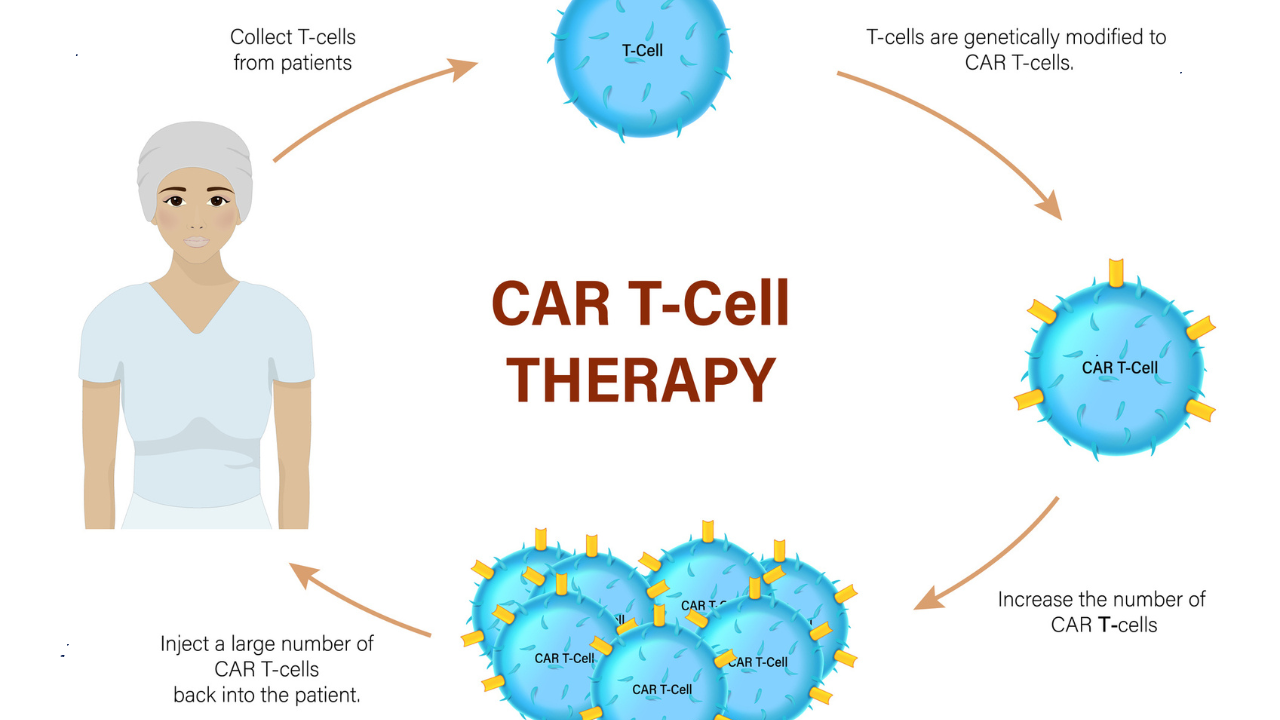
Blood cancers are among the most challenging, but advances in treatments, such as targeted therapies, advanced transplantation techniques, and increasingly customized approaches, are offering a new ray of hope for patients. Among these innovations, Chimeric Antigen Receptor T-cell therapy, commonly known as CAR-T cell therapy, represents one of the most important breakthroughs in modern cancer care in recent times.Unlike conventional treatments that directly target cancer cells, CAR-T cell therapy harnesses the patient's immune system to identify and attack cancer. It is a powerful example of how medicine is moving towards personalized treatment strategies that are designed around an individual's disease biology.How CAR-T Cell Therapy WorksTo understand CAR-T therapy, it is important to understand the role of T-cells. These are specialized immune cells responsible for recognizing and eliminating abnormal cells in the body. In some blood cancers, cancer cells develop mechanisms that allow them to evade immune surveillance. CAR-T therapy addresses this challenge by genetically modifying a patient's T-cells in a laboratory to recognize specific proteins present on cancer cells.The process begins with the collection of T-cells from the patient's blood through leukapheresis. These cells are then engineered to express specialized receptors, called chimeric antigen receptors (CARs), which enable them to recognize cancer cells more effectively. Once modified and multiplied, the cells are infused back into the patient's bloodstream, where they seek out and destroy cancer cells.Potential of CAR-T Currently, CAR-T cell therapy has shown encouraging results in several blood cancers, including certain forms of acute lymphoblastic leukemia, diffuse large B-cell lymphoma (DLBCL), mantle cell lymphoma, follicular lymphoma, and multiple myeloma. For some patients whose disease has relapsed after multiple lines of treatment or failed to respond to conventional therapies, CAR-T therapy has offered a valuable new treatment option.One of the most promising aspects of CAR-T therapy is its potential for durable responses. In selected patients, the engineered immune cells can continue to remain active within the body, providing ongoing surveillance against cancer recurrence. While every patient may not experience the same outcome, the ability to achieve long-lasting remission in heavily pre-treated cancers has generated significant optimism within the oncology community.CAR-T therapy: The Challenges And Side EffectsAll that being said, CAR-T therapy is a highly specialized treatment that requires careful patient selection and close monitoring. Some patients may also experience side effects such as cytokine release syndrome (CRS), neurological complications, or temporary suppression of normal blood cell production. Fortunately, advances in supportive care and growing clinical experience have substantially improved the management of these complications.The Future of Blood Cancer CareResearchers across the world are working on next-generation CAR-T platforms designed to improve effectiveness, reduce toxicity and expand treatment eligibility. Investigational approaches include "off-the-shelf" CAR-T products derived from healthy donors, dual-target CAR-T cells capable of recognizing multiple cancer markers, and therapies aimed at overcoming treatment resistance.Scientists have also been exploring the potential of CAR-T therapy in other blood cancers and even selected solid tumors. While significant challenges remain, ongoing research continues to push the boundaries of what immune-based therapies can achieve. As research advances and access continues to improve, CAR-T cell therapy is expected to play a very important role in the future of blood cancer care. For patients, families, and clinicians alike, it represents a powerful reminder that innovation continues to redefine what is possible in the fight against cancer.(By Dr. Dinesh Bhurani, Director – Hemato-Oncology & Bone Marrow Transplant, Rajiv Gandhi Cancer Institute & Research Centre (RGCIRC))