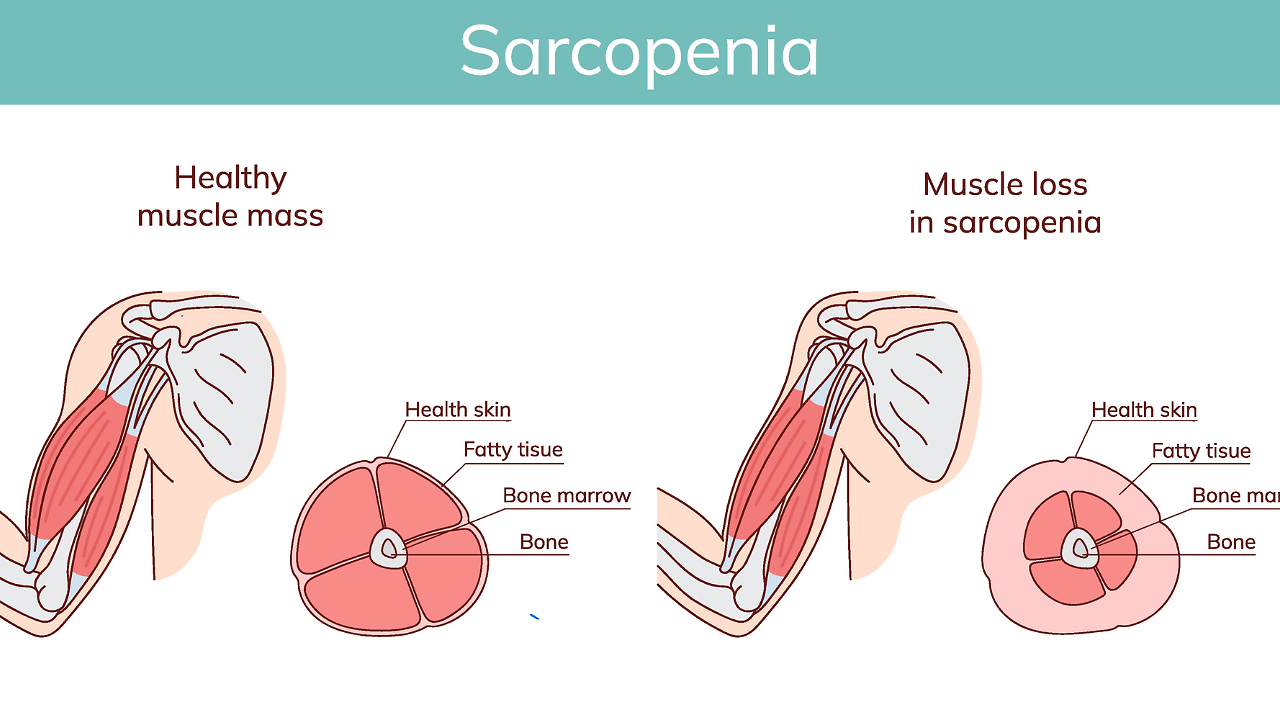
While dementia is generally associated with older age, its onset can begin much earlier, including in middle age. A new study led by an international team of researchers found that muscle loss as people age may be an important warning sign for dementia risk.The study, published in the International Journal of Food Sciences and Nutrition, also found a surprising difference in how obesity was linked to dementia depending on a person’s age.What Did The Study Find?Researchers analyzed more than 80 studies examining the links between body weight, body fat, muscle health and dementia.They found that people with sarcopenia — the loss of muscle mass and strength — had a 42 per cent higher risk of dementia.People with obesity in middle age, or before 65, had a nine per cent higher risk of dementia. In contrast, obesity in people aged 65 and over was linked to a 17 per cent lower risk.The findings showed that body weight alone did not tell the full story when it came to dementia risk.“It’s not just about how much you weigh – maintaining muscle strength and function also appears to be important as we age,” said lead researcher Dr Uraiporn Booranasuksakul from Burapha University, Thailand.“Our findings suggest losing muscle could be an important warning sign for dementia risk.”Why Muscle Health MattersSarcopenia is a condition where people lose a greater amount of muscle mass, strength and physical function, often as they get older.Dr Booranasuksakul said the findings highlighted the importance of looking after muscle health throughout life.“Maintaining muscle is an important part of healthy ageing, and regular physical activity and good nutrition can help support muscle strength and function,” she said.Obesity And Dementia Risk Change With AgeCorresponding author Professor Mario Siervo from Curtin University’s School of Population Health said the findings also challenged the idea that dementia risk could be understood simply by looking at a person’s weight.“We found that obesity in middle age was linked to a higher risk of dementia, but this relationship changed in later life,” Professor Siervo said.“This does not mean people should gain weight as they get older. Rather, it shows us that the relationship between body weight, ageing and dementia is complex.”What About Sarcopenic Obesity?The researchers also looked at sarcopenic obesity, where a person has both low muscle mass or function and excess body fat.Only four studies met the criteria for this part of the analysis, and researchers found no statistically significant link between sarcopenic obesity and dementia.Professor Siervo said more research was needed to understand whether the combination of muscle loss and excess body fat affected dementia risk.“There is still a lot we don’t know about how changes in muscle and body fat interact over time,” Professor Siervo said.“More long-term research is needed to understand whether having both low muscle mass and excess body fat increases dementia risk.”A Lifelong Approach To Healthy AgeingThe researchers said the findings reinforced the importance of taking a lifelong approach to maintaining healthy body composition, including preventing unhealthy weight gain during middle age and maintaining muscle strength and function as people get older.