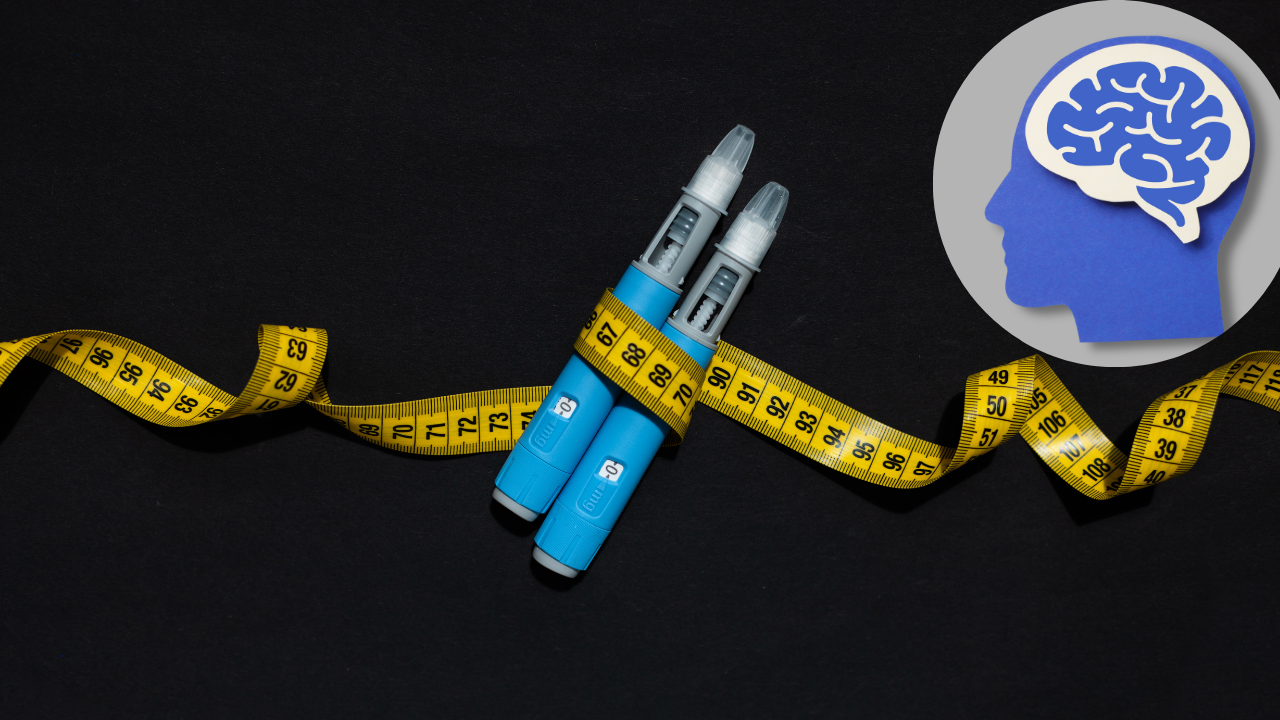
Blockbuster drug Ozempic, known for treating type 2 diabetes and obesity, has a surprising side effect. A new study published in The Lancet Psychiatry showed that the GLP-1 receptor agonists might prevent worsening of depression and anxiety. People with diabetes or obesity are generally more likely than the general population to suffer from depression and anxiety. It is because both diabetes and obesity increase the risk of mental ill-health, and vice versa. The findings showed that people with diabetes using semaglutide had a substantial decrease in hospitalizations and sick leave due to mental illness, including less worsening of depression, anxiety, and self-harm. “Our findings suggest that GLP-1 drugs, particularly semaglutide, might contribute to better mental health in people with diabetes and obesity, but since this was an observational study, controlled clinical trials are needed to confirm the results,” said Jari Tiihonen, specialist physician and professor at the Centre for Psychiatry Research, Karolinska Institutet. What Did The Study Find? The research, led by an international team from Griffith University, the Karolinska Institutet, and the University of Eastern Finland, tracked Swedish national registers between 2009 and 2022. It included 95,490 people, of which GLP-1 receptor agonists were used by 22,480 individuals during the follow-up period. Semaglutide was associated with a decreased risk of worsening depression anxietysubstance use disorderself-harm. Patients using semaglutide experienced a 42 percent lower risk of hospitalization for mental health issues during periods of use, compared to periods when they were not taking the drug. More specifically, the risk reduction was 44 per cent for sickness absence or hospital care due to depression, 38 per cent for anxiety disorders, and 47 per cent for substance use.Also read: Can Weight Loss Jabs Surge Divorce Rates? What Experts Are Saying The team also found some benefits with Liraglutide. The drug was associated with an 18 per cent lower risk of sickness absence and hospital care due to psychiatric reasons.How Does Semaglutide Work?Semaglutide works as a GLP-1 receptor agonist that mimics the GLP-1 hormone to regulate appetite and blood sugar. It slows gastric emptying and makes you feel fuller longer. It also signals the brain to reduce hunger and cravings, and triggers the pancreas to release insulin when blood sugar is high.They work by increasing insulin release in a glucose-dependent manner, decreasing the liver's production of glucagon, and slowing down the emptying of the stomach, which helps lower blood sugar levels after a meal. They also act on the brain to suppress appetite and increase feelings of fullness, leading to reduced calorie intake.Read More: Can Semaglutide Help Fight Cancer In The Brain?In people with type 2 diabetes, notes Harvard Health, the body's cells are resistant to the effects of insulin and the body does not produce enough insulin, or both. This is when GLP-1 agonists stimulate the pancreas to release insulin and suppress the release of another hormone called glucagon.These drugs also act in the brain to reduce hunger and act on the stomach to delay emptying, so you feel full for a longer time. These effects can lead to weight loss, which can be an important part of managing diabetes.