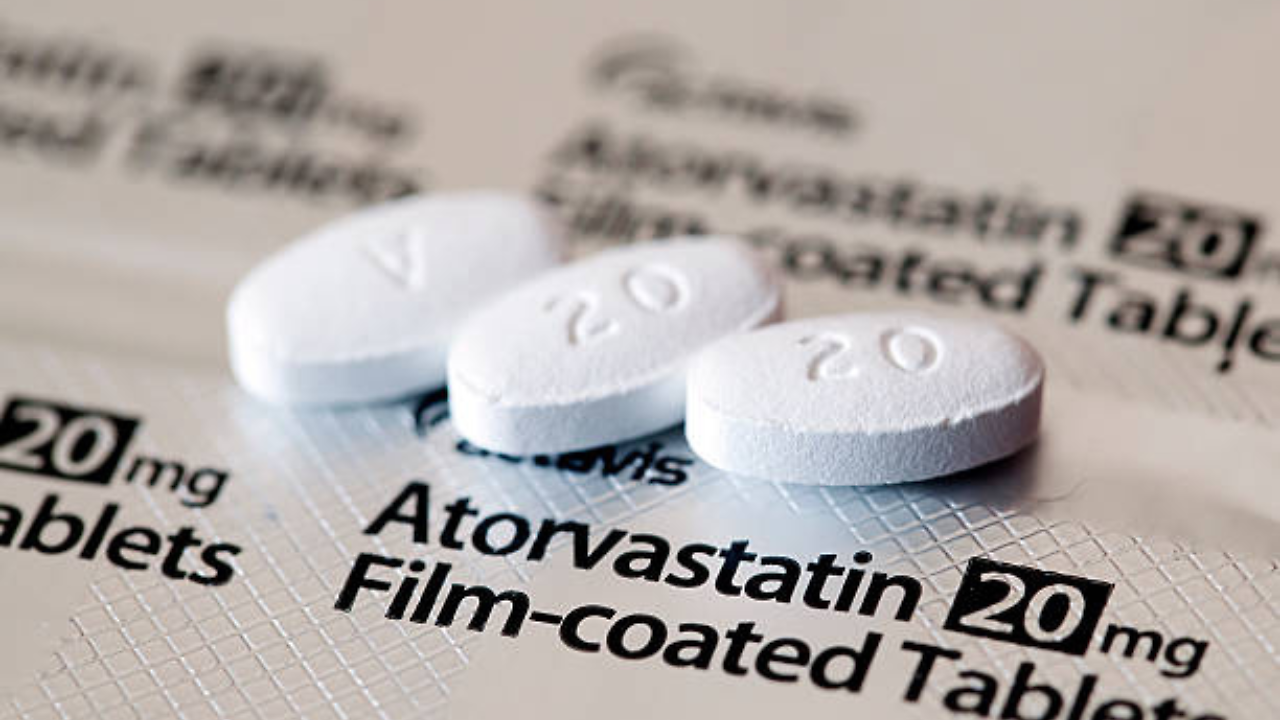
Atorvastatin, a widely prescribed statin, helps lower cholesterol and reduce the risk of heart attacks and strokes. However, stopping the medication without medical advice can allow cholesterol levels to rise again. Higher cholesterol levels have been linked to increased risk of heart attacks and other cardiovascular conditions. Pharmacist Raj Patel recently warned about this in a TikTok video, comparing stopping the drug to giving up regular exercise.“What happens if you stop taking atorvastatin? You know when you stop exercising for a month and everything slips back?” Patel asked.“That's what happens when you stop atorvastatin. Your cholesterol creeps back up and so does your heart attack risk,” he warned.According to the UK's National Health Service (NHS), cholesterol levels may rise again after stopping atorvastatin. Patients should continue taking it unless their doctor advises otherwise.What Is Atorvastatin?Also read: Confused By Your Cholesterol Report? Here's What LDL And ApoB Really MeanAtorvastatin belongs to a class of medicines called statins. It reduces cholesterol production in the liver and helps prevent heart attacks and strokes. Doctors may prescribe it to people with high cholesterol or an increased risk of cardiovascular disease, including those with diabetes or a family history of heart disease.High cholesterol can cause fatty deposits to build up inside blood vessels, restricting blood flow. Statins help lower cardiovascular risk, particularly in people with existing heart disease or other risk factors.Which Medicines Interact With Atorvastatin?The NHS previously warned that certain medicines can interact with atorvastatin and increase the risk of serious side effects, including muscle damage. Patients should tell their doctor or pharmacist about all medicines and supplements they take.On its website, the NHS lists certain “cautions with other medicines.” This means you should check that atorvastatin is safe to take alongside any other drugs or supplements. Read More: You Feel Healthy. But Plaque May Already Be Building In Your Arteries In Your 20sThe NHS explained: “Some medicines can affect the way atorvastatin works and can increase the chances of you having serious side effects, such as muscle damage.” You should tell your doctor or pharmacist if you are taking any of the following: Antibiotics: Erythromycin, clarithromycin, rifampicin and fusidic acidAntifungals: Ketoconazole, voriconazole and fluconazoleOther treatments: Certain HIV and hepatitis C medicinesOther medicines: Warfarin, ciclosporin, colchicine and some contraceptive pillsHeart medicines: Verapamil, diltiazem, amlodipine and amiodaroneDepending on the interaction, a doctor may adjust the dose, prescribe another statin or temporarily pause treatment. Check with a healthcare professional before taking supplements.What Are The Common Side Effects? According to the NHS, common side effects affecting more than one in 100 people include:Nausea or indigestionHeadaches and nosebleedsSore throat and cold-like symptomsConstipation, bloating or diarrhea“Drinking large amounts of alcohol regularly increases the risk of side effects and liver problems while taking atorvastatin,” the NHS added. “If side effects make you want to stop taking the medicine, speak to your doctor first. They may be due to another cause, and your doctor can suggest lowering the dose or switching medicines.”