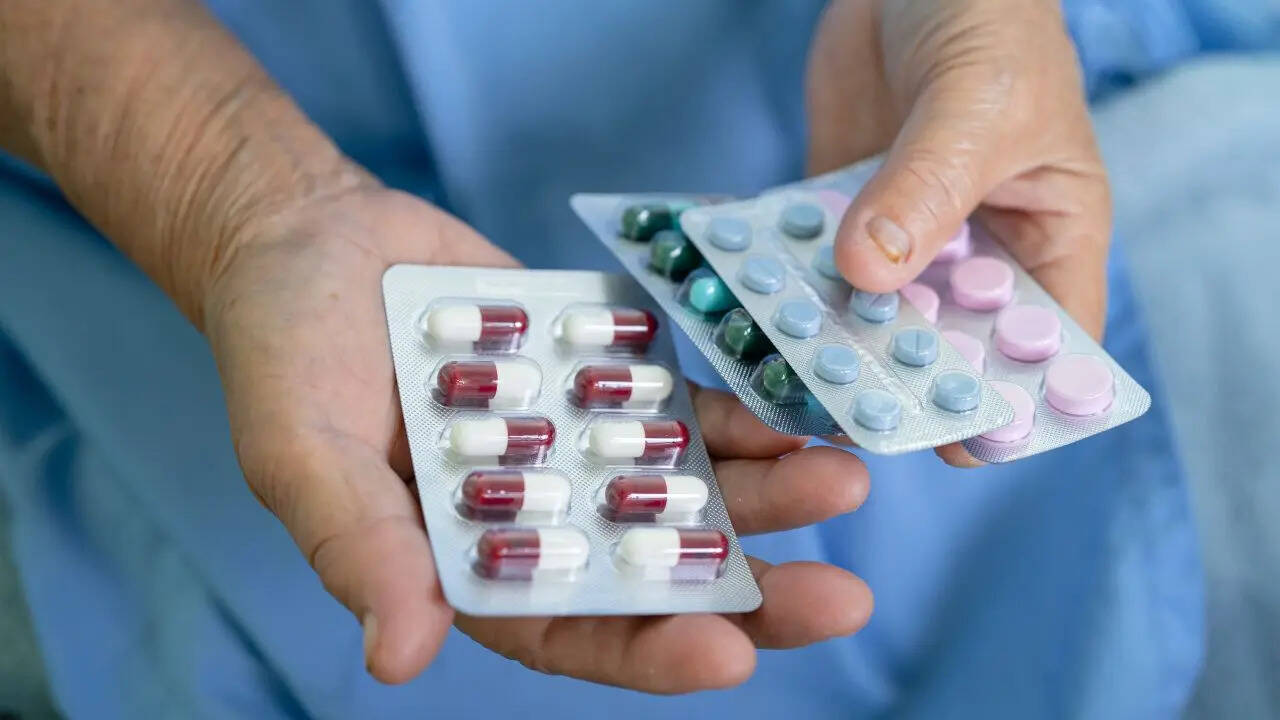
Millions of people across the UK who take certain everyday medicines are being warned by the NHS to steer clear of a specific fruit. Health officials say combining this fruit or its juice with some medications can trigger serious reactions and unexpected side effects. The advice applies to patients prescribed some of the most commonly used drugs in the country, including certain statins, amlodipine, and medicines for anxiety. Statins, in particular, are widely prescribed to help reduce levels of “bad” LDL cholesterol in the blood.Why Statins Are Commonly Prescribed?Statins work by limiting how much cholesterol the liver makes. This helps slow down the build-up of fatty deposits inside the arteries, which in turn lowers the risk of heart attacks and strokes. Doctors prescribe statins both to manage high cholesterol and to prevent future heart-related problems. For most people, they are taken daily as tablets and are often part of long-term treatment.What Does Amlodipine Do?Amlodipine, commonly sold under the brand name Istin, belongs to a group of medicines known as calcium channel blockers. It is mainly used to treat high blood pressure. For people with hypertension, amlodipine can reduce strain on the heart and lower the risk of serious complications such as heart disease, heart attacks, and strokes.NHS Warning On Statins Or AmlodipinePatients taking certain forms of amlodipine, particularly calcium channel blockers, are advised not to consume grapefruit. The NHS website clearly states: “Do not take amlodipine with grapefruit juice.”The reason lies in how grapefruit affects the body. It interferes with enzymes and transport proteins in the gut, such as CYP3A4 and P-gp, which normally help break down medicines and control how much enters the bloodstream. When these processes are blocked, higher-than-intended amounts of the drug can build up in the body, increasing the risk of side effects.What Patients Should Keep In MindNot every medicine reacts the same way to grapefruit juice, which is why doctors advise checking before making changes. Always speak to your GP or pharmacist, read the information leaflet that comes with your medicine, and look out for any warnings related to grapefruit.It is also important to understand that simply spacing the fruit and the medicine apart is not enough. In most cases, grapefruit should be avoided entirely for as long as you are on the medication, unless your doctor says otherwise. Patients are also encouraged to be cautious with other citrus fruits, such as Seville oranges, pomelos, and limes, as they can have similar effects on how medicines work.What To Do If You’ve Already Consumed It?If you have eaten grapefruit or had its juice while taking statins, amlodipine, or anti-anxiety medication, there is no need to panic. In many cases, a single exposure does not lead to serious harm, but it is important to stay alert. Pay attention to how your body feels over the next day or two, especially if you notice symptoms such as dizziness, muscle pain, unusual tiredness, nausea, flushing, or a sudden drop in blood pressure.Do not stop taking your medication on your own. Skipping doses or stopping treatment abruptly can be risky, particularly for heart and blood pressure medicines. Instead, make a note of what you consumed and when, and contact your GP or pharmacist for advice. They can tell you whether any action is needed based on the specific drug, dose, and your overall health.