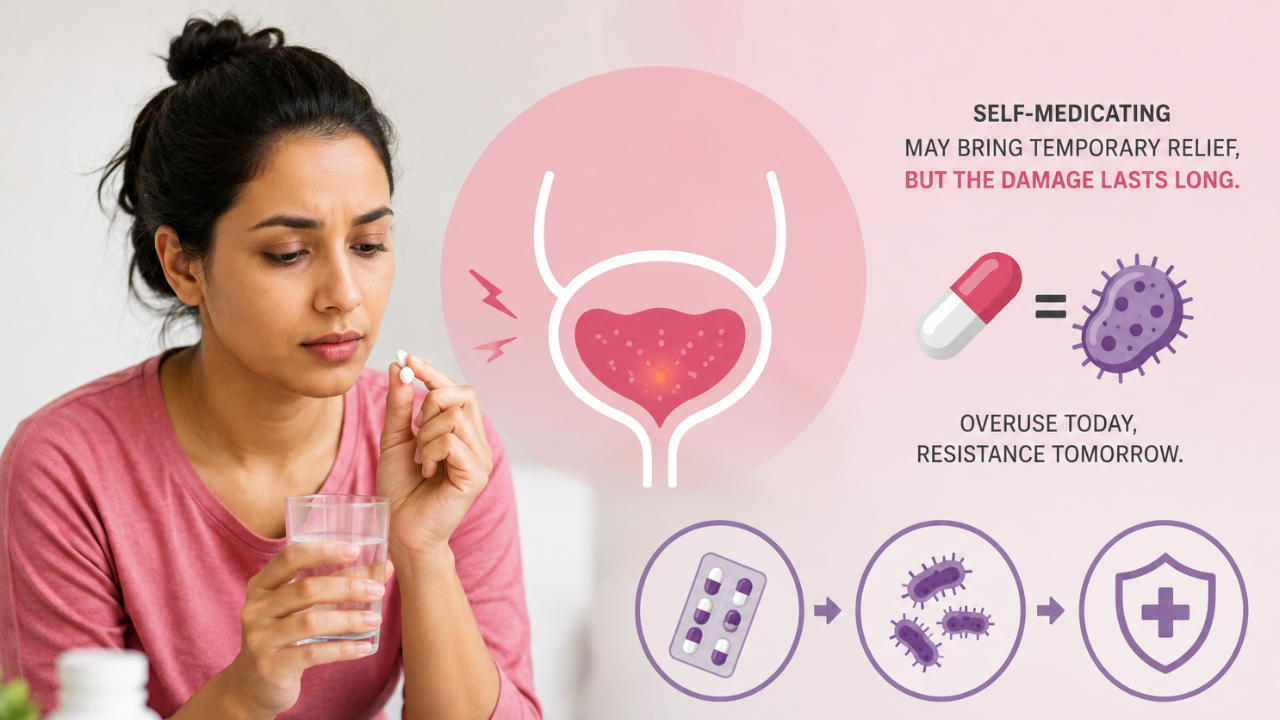
Urinary tract infections are common. A lot of people get them every year. When you have a tract infection you might feel a burning sensation when you go to the bathroom you might have to go to the bathroom a lot and your lower belly might hurt. These symptoms can get in the way of your life. You might want to try to make the pain go away on your own. Taking medicine without prescription is not a good idea. Taking antibiotics when you do not need them can be bad for you. Urinary tract infections can become harder to cure when the bacteria get used to the medicine. This is called resistance and it is a big problem for everyone’s health. When this happens, you might get tract infections repeatedly and you might have fewer choices, for treatment. That is why it is so important to go seek medical attention at the earliest. Causes Of UTIs Most Urinary Tract Infections are caused by bacteria that are usually in the digestive tract and then get into the urethra. Things like not having water, not keeping yourself clean having something wrong with the urinary system or having a weak immune system can make it more likely for bacteria to grow. If you take the medicine or stop taking it too soon the strong bacteria will live and get stronger. Over time these bacteria will not be affected by the medicines, which makes them very hard to treat. This is what happens when you have a Urinary Tract Infection that is resistant to drugs. Urinary Tract Infections, like these are very tough to deal with. Also read: Kidney Stones In Urban India: Causes, Prevention, And Modern TreatmentSigns And Symptoms To Watch Out For: Recognizing the early warning signs helps prevent the infection from spreading deeper into the body. Common signs of a UTI include: A strong, continuous urge to urinate, even immediately after emptying the bladder A burning or painful sensation during urination Passing small amounts of cloudy, dark, or unusual-smelling urine Visible blood in the urine, giving it a pink or reddish tint Pelvic pain or pressure in the lower abdomen Fever, chills, lower back pain, or nausea, which often signal that the infection has reached the kidneys Also read: Prostate Cancer: NHS England's New Precision Radiotherapy Offers Hope In Just 5 SessionsTips For Prevention: Preventing tract infections is always better than treating them especially now that we have a lot of antibiotic resistance. If you do simple things every day you can reduce the risk of bacteria getting into your urinary system. Here are some things that can help: 1. Stay well hydrated: Drinking water is very important for urinary health. When you drink fluids during the day it helps wash away bacteria from the urinary system. This lowers the chance of getting an infection. 2. Prioritize good personal hygiene: Doing things to stay clean can help lower the chance of a UTI. It is best to wipe from front to back after going to the bathroom. This keeps bacteria from the stomach area from moving into the system. 3. Don’t delay urination: Going to the bathroom regularly helps stop bacteria from growing. If you hold your urine for long it can create a place where bacteria grow faster. This makes it more likely to get an infection. 4. Be cautious with intimate hygiene products: Products that have smells, like sprays or douches can hurt sensitive areas. They can also change the balance of bacteria that protect the body. This might make UTIs more likely. 5. Wear breathable fabrics: Choosing cotton underwear and clothes that're not tight helps keep the area dry. A dry and cool place is not a home, for bacteria. This lowers the chance of getting an infection. Also read: Can You Flush Out A UTI By Drinking More Water?Diagnosis And Proper Medical Evaluation Accurate diagnosis is essential before starting any medication. Diagnosis start with an evaluation and a simple urine test called a urinalysis to check for bacteria white blood cells and red blood cells. In cases a urine culture is also done. This test finds the strain of bacteria causing the infection and tests it against different medications to find out which antibiotic will work best. For people who have recurring UTIs imaging tests, like ultrasound or CT scans might be used to look at the structure of the urinary tract and find any blockages or problems that are there. Treatment Options Also read: Turns Out, Peeing In The Shower Could Have Unexpected DangersUrinary tract infections or Urinary Tract Infections can usually be treated with antibiotics. You must take all the antibiotics even if you start to feel better so that you can be sure the Urinary Tract Infection is gone and you do not get sick again. Medicines also help with the pain and discomfort you feel when you urinate, such as burning or feeling like you must go to the bathroom all the time. In some cases, Urinary Tract Infections may recur due to underlying conditions such as kidney stones, urinary tract blockages, an enlarged prostate or structural abnormalities of the system. When these factors are identified, treating the root cause becomes essential. Procedures such as kidney stone removal, stent placement or corrective surgery for urinary tract abnormalities may be recommended to prevent repeated Urinary Tract Infections. Prevention and early intervention remain the effective strategies, in managing Urinary Tract Infections. Being aware of the warning signs and getting care at the onset of symptoms and avoiding unnecessary antibiotic use can significantly reduce the risk of recurrent Urinary Tract Infections and serious complications. With diagnosis and appropriate treatment most Urinary Tract Infections can be successfully managed, safeguarding both urinary health and overall well-being.By Dr. Arif Akhtar, Principal Consultant - Urology, Robotics and Renal Transplant, Manipal Hospital, Gurugram