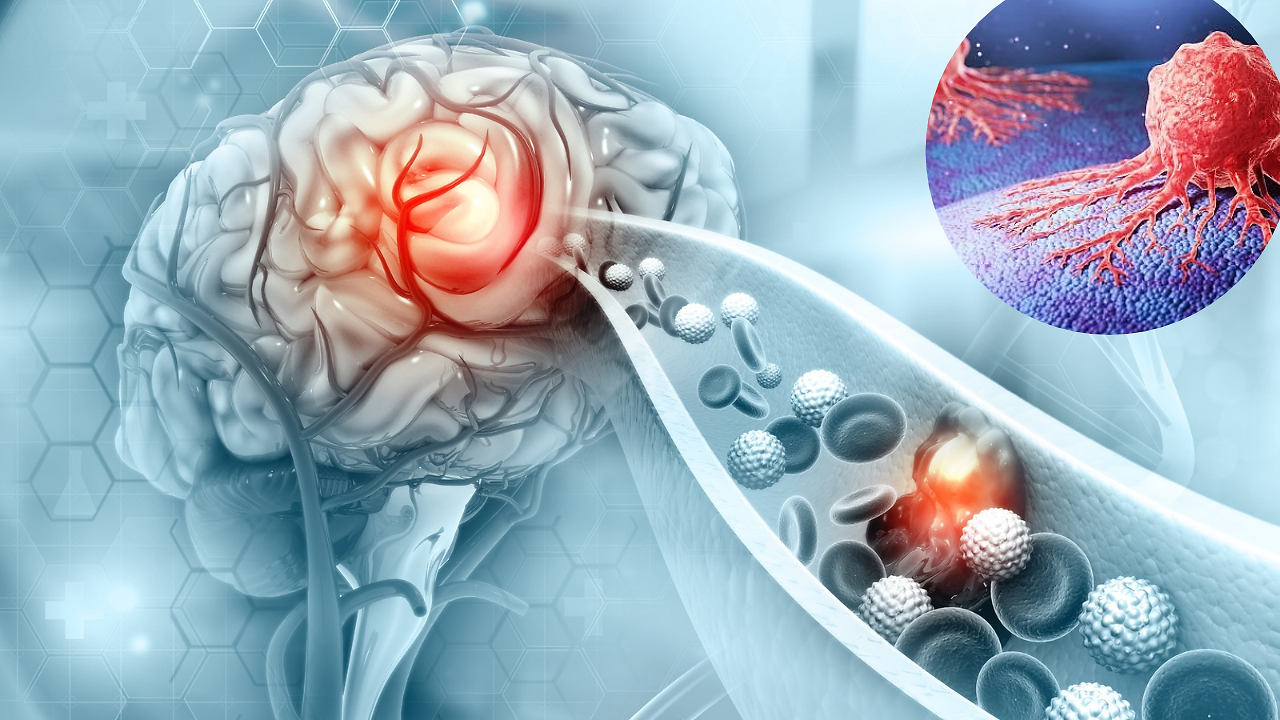
Stroke is a medical emergency, but in some patients, it may also be the first sign of an undiagnosed cancer, said top Neurologist Dr. Vinit Suri on World Stroke Day. In an exclusive interview with HealthandMe for World Stroke Day, Dr. Suri, Senior Consultant Neurologist and Academic Coordinator at Indraprastha Apollo Hospital, New Delhi, explains the link between cancer and stroke, the warning signs that need urgent attention, and how patients can reduce their risk. He noted that cancer and its treatment can also increase stroke risk, while a stroke may sometimes prompt doctors to investigate an underlying malignancy. The noted expert also highlighted warning signs which may point to an underlying malignancy, and how cancer patients can reduce their risk and manage recovery. How Are Cancer And Stroke Linked?Also read: Recreational Drugs, Steroids & Birth Control: Expert Explains Why Strokes Are Arriving Decades EarlierDr Suri said cancer and stroke can overlap in three ways: cancer patients may have conventional risk factors such as hypertension and diabetes; cancer itself can increase blood clotting; and certain treatments can raise stroke risk.“Cancer patients have double the risk of having a stroke compared to their age-matched individuals,” Dr Suri said.He estimated that 10% to 15% of stroke patients may have cancer or cancer treatment as the underlying cause. Sometimes, a stroke is the first sign of an undiagnosed malignancy, known as a sentinel stroke. Thus, identifying the cause is important to prevent recurrent strokes. Which Cancers Are Associated With Stroke? Dr. Suri said adenocarcinomas can produce mucin, which may promote blood clotting. Lung and pancreatic adenocarcinomas are commonly associated with stroke, he said, adding that liver cancer, leukemia and lymphoma are also linked to it.Q. What Warning Signs May Point To An Undiagnosed Cancer? Dr. Suri said doctors should consider investigating an underlying malignancy in patients with:Strokes affecting multiple brain areas, particularly without common risk factors such as hypertension, diabetes or atrial fibrillation.Recurrent strokes despite preventive treatment.Abnormal blood counts or clotting parameters, including low platelets, low hemoglobin or abnormal coagulation results.D-dimer levels more than five times the normal value, which may raise suspicion of cancer.Investigations may include D-dimer testing, tumor markers such as prostate-specific antigen (PSA), other cancer biomarkers and whole-body PET-CT, said the noted neurologist.A stroke may reveal cancer even without obvious cancer-related symptoms. Emergency stroke treatment must take priority, followed by investigations to identify the cause and prevent recurrence, he added.Q. Which Stroke Symptoms Should Cancer Patients Never Ignore? Read More: World Stroke Day: What Is BE FAST? Stroke Warning Signs To Watch ForDr Suri said sudden neurological symptoms in cancer patients require urgent assessment because stroke and brain metastases can present similarly. Brain metastases may also cause seizures and one-sided weakness.He recommended BE FAST to recognize possible stroke symptoms:B — Balance: Sudden loss of balance.E — Eyes: Sudden vision problems.F — Face: Facial asymmetry.A — Arms: Arm weakness or downward drift.S — Speech: Slurred speech or difficulty speaking.Anyone experiencing these symptoms should seek emergency care, the expert said.“Time is brain,” he said. Clot-dissolving drugs may be given within four and a half hours in eligible patients, while clot-removal procedures may be possible within six to 24 hours, depending on the patient.CT scans may be sufficient in many cases, but MRI may help distinguish a stroke from brain metastases.Q. How Can Cancer And Its Treatment Increase Stroke Risk? Dr Suri said that some chemotherapy drugs and hormonal therapies for breast and prostate cancers can increase blood clotting.Radiation to the neck may cause narrowing, scarring and fibrosis in the carotid arteries, potentially contributing to strokes years later.READ: 1 in 7 Stroke Patients In India Are Under 45; Hypertension Leads Risk Factors: ICMR StudyQ. How Can Cancer Patients Reduce Their Stroke Risk? Dr Suri advised people to control blood pressure, diabetes, abnormal cholesterol and obesity through physical activity and by avoiding a sedentary lifestyle.Age, male sex and family history are the non-modifiable risks, while other risk factors include heart disease, smoking, alcohol use, chewing tobacco and drug abuse, which can contribute to strokes even in young people.Dr Suri described hypertension as the most important modifiable risk factor and a major cause of ischemic and hemorrhagic strokes. He recommended regular blood pressure checks, reducing salt intake, walking and taking prescribed medication. He also stressed diabetes management and identifying atrial fibrillation, which can cause strokes affecting multiple brain blood vessel territories in older adults.Oncologists should consider stroke risk when choosing treatments, particularly for patients with pancreatic or lung cancer and other adenocarcinomas associated with increased clotting risk, he said.Treatment may involve addressing the underlying cancer through chemotherapy or surgery and preventing further clots. Warfarin may not work in some cases, and doctors may consider direct oral anticoagulants (DOACs) or low-molecular-weight heparin. Q. How Do Cancer And Stroke Together Affect Recovery? Dr Suri said having both conditions can worsen prognosis because stroke can cause death or long-term disability, while cancer may reduce life expectancy.“When these two double whammies are happening together, the outlook becomes much, much graver,” he said, adding neurologists and oncologists must work together to adjust treatment.“Both of them have to be involved together as a team to plan and modify both the cancer therapy as well as the stroke therapy,” he said.Some medicines that increase stroke risk may need to be withdrawn. Blood thinners must be selected with the oncologist because certain chemotherapy drugs can rapidly lower platelet and white blood cell counts.Cancer does not automatically prevent stroke rehabilitation, Suri said, although severe weakness or frailty may limit participation.“Cancer is not likely to interfere with the rehabilitative processes unless and until it has made the patient very weak and frail,” he said.Q. Can Cancer And Stroke Occur In Young People? Yes, Dr Suri said. Both can occur at any age, although their causes and cancer types may differ across age groups.“Stroke can occur even in very young children,” he said, noting that infants may have strokes due to arteriopathies and other conditions. Both conditions become more common with age, but neither has a lower age limit.