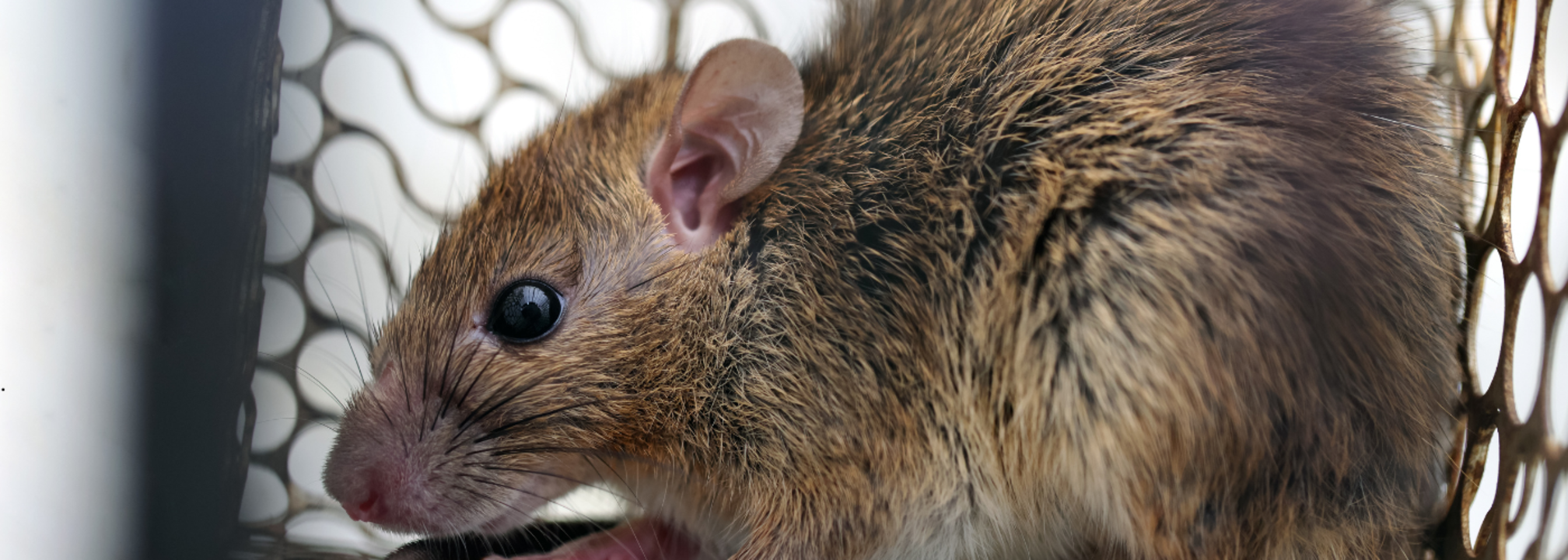
Health officials in New Mexico confirmed on Friday that the reason for Betsy Arakawa, Gene Hackman's wife's death was hantavirus infection. Hantavirus if found throughout the world, and is spread by contact with rodents or their urine or feces. However, it does not spread between people. The cause of concern is there is no specific treatment or cute, though early medical attention can increase the chances of survival. What Is Hantavirus?As per the Centers for Disease Control and Prevention (CDC). hantavirus are a family of viruses which can cause serious illnesses and death. These viruses are capable of causing diseases like hantavirus pulmonary syndrome or HPS and hemorrhagic fever with renal syndrome or HERS. It can infect and cause serious disease in people. It has mainly two syndromes. One is found in the Western Hemisphere, including in the US, that can cause HPS. The most common hantavirus that causes HPS in the US is spread by the deer mouse. HERS is a group which is similar illness caused by hantaviruses and found mostly in Asia and Europe. There's another type, called the Seoul virus, which is a type of hantavirus that causes HERS, and is found worldwide, including in the US. The majority of U.S. cases since then have been in western states, especially the southwest. Between 1993 and 2022, there were 864 reported U.S. cases. New Mexico had the highest number over that time, at 122, followed by Colorado at 119.The CDC has offered to test samples related to Arakawa's case to better understand the strain of the virus that infected her and to conduct pathology testing.What Are The Common Symptoms?According to the CDC, symptoms can appear one to eight weeks after exposure, initially presenting as fatigue, fever, and muscle aches. As the disease progresses, it can cause coughing, shortness of breath, and chest tightness as fluid accumulates in the lungs. The CDC reports that about one-third of individuals who develop respiratory symptoms from the disease may not survive.Despite extensive research, many questions remain unanswered, including why some cases are mild while others become severe and how antibodies develop. She and other researchers have been tracking patients over extended periods, hoping to uncover potential treatments.How Can You Reduce Your Risk?You can reduce your risk by eliminating and minimizing your contacts with rodents in your home, workplace or campsite. The best way is to seal holes and gaps in your home or garage and keep the rodents from entering you home. You can also place traps in and around your home to decrease rodent infestation. Clean up any easy to get food that could attract rodents. How Does The Diagnosis Work?CDC notes that the diagnosis in a person who has been infected less than 72 hours is difficult. If the initial test is done before the virus can be found, then a repeat test is required after 72 hours whenever the symptoms start to show up. Early symptoms, as mentioned above, like fever, headache, muscle aches, nausea and fatigue could also be easily confused with influenza, thus a test is extremely important.