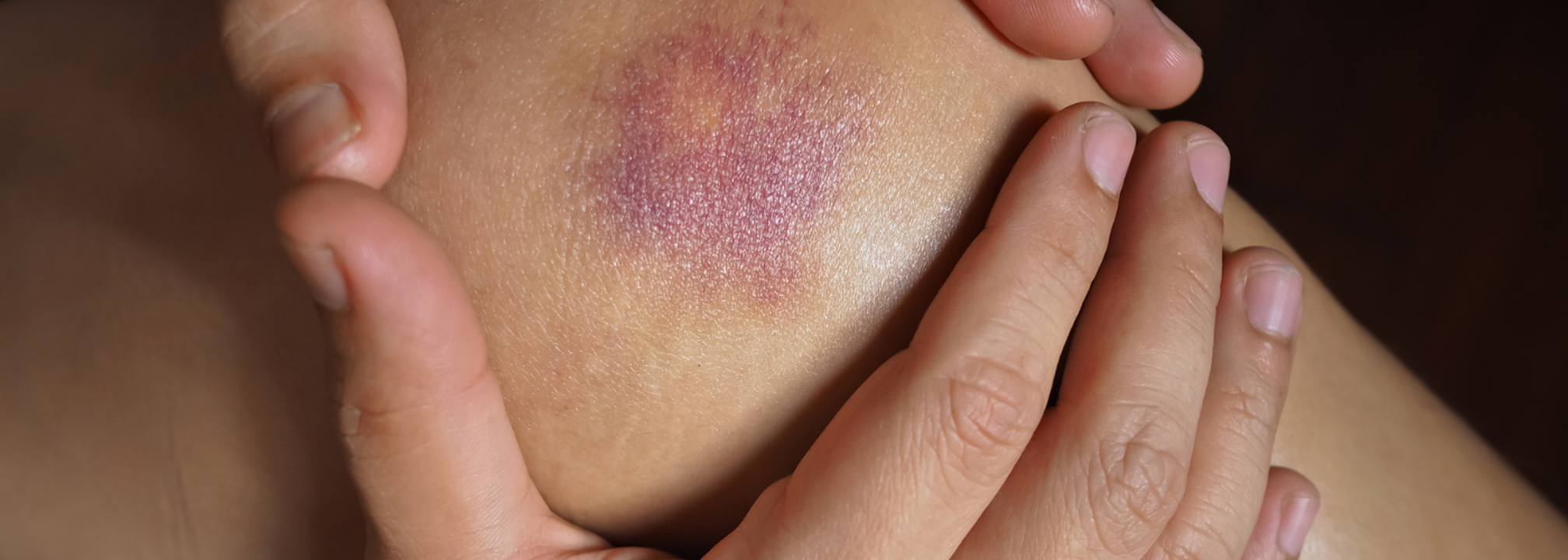
Bruises happen to all of us at some point—whether it’s from bumping into a table or taking a fall. Usually, they heal within a few days, but for some people, bruising seems to happen more easily and takes longer to disappear. There are several reasons why this might be the case, and factors like age, medications, or certain health conditions play a role. Let’s break it down in a simple way.What Exactly Is a Bruise?A bruise forms when small blood vessels under the skin get damaged, causing blood to leak into the surrounding tissue. This leakage is what gives a bruise its distinct colour, which can be anything from black and blue to purple. On darker skin tones, bruises may appear as dark patches or even red or purple, depending on the person's skin tone.Over time, the body absorbs the blood, and the bruise fades away.Why Do Some People Bruise More Easily?There are a few factors that could make someone bruise more often or more severely than others. Here are some of the most common causes:Age and Family HistoryAs we get older, our skin becomes thinner and the blood vessels under the skin weaken. This makes older adults more prone to bruising. Additionally, bruising can run in families, meaning if your relatives bruise easily, you might too.MedicationsCertain medications can make bruising more common. For example, blood thinners, like aspirin and ibuprofen, are known to increase the risk of bruising because they make it harder for blood to clot. Other medications, including some herbal remedies and chemotherapy drugs, can also affect how easily you bruise. If you’re noticing more bruises than usual, it might be worth discussing with your doctor whether your medications could be the reason.Liver DiseaseThe liver plays a big role in blood clotting. When someone has liver disease, it can affect the body’s ability to stop bleeding, leading to easy bruising. Other symptoms of liver disease include fatigue, swelling in the legs, dark urine, and jaundice (yellowing of the skin or eyes). If you suspect this might be the cause, seeing a doctor is crucial.Bleeding DisordersSome people have genetic conditions that make it harder for their blood to clot, which can lead to easy bruising. For example, von Willebrand disease and haemophilia are two conditions that can cause frequent or large bruises, sometimes even from minor bumps.Vitamin DeficienciesCertain vitamins, like Vitamin C and Vitamin K, help the body heal and clot blood. A lack of Vitamin C can weaken blood vessels, causing easy bruising, while low levels of Vitamin K can make it harder for blood to clot, which can lead to more bruises. In newborns, this can be especially dangerous, but for adults, a simple blood test can identify if a deficiency is the culprit.VasculitisVasculitis is a group of conditions that cause inflammation in the blood vessels. This inflammation can make bruising more likely. Other symptoms of vasculitis include shortness of breath, numbness in the limbs, or purple spots on the skin. Treatment usually involves managing the inflammation.Senile PurpuraCommon in people over 50, senile purpura causes dark purple bruises, mostly on the arms and hands. It’s not linked to any serious health conditions, but it can make the skin more fragile and prone to tears.CancerIn rare cases, easy bruising may be a sign of leukaemia, a type of cancer that affects blood cells. If you notice frequent bruising along with symptoms like fatigue, bone pain, or frequent infections, it’s important to see a doctor.When Should You See a Doctor?While most bruises are harmless, there are times when bruising can signal a more serious issue. If you notice bruising that happens more often or more severely than usual, bruises that are slow to heal, or if you experience other symptoms like fever or fatigue, it’s a good idea to check in with a doctor.Also, if you ever experience a large bruise after a fall or injury and feel dizzy or lightheaded, seek emergency help, as it could be a sign of internal bleeding.In most cases, bruising isn’t anything to worry about, but understanding the causes can help you stay on top of your health.