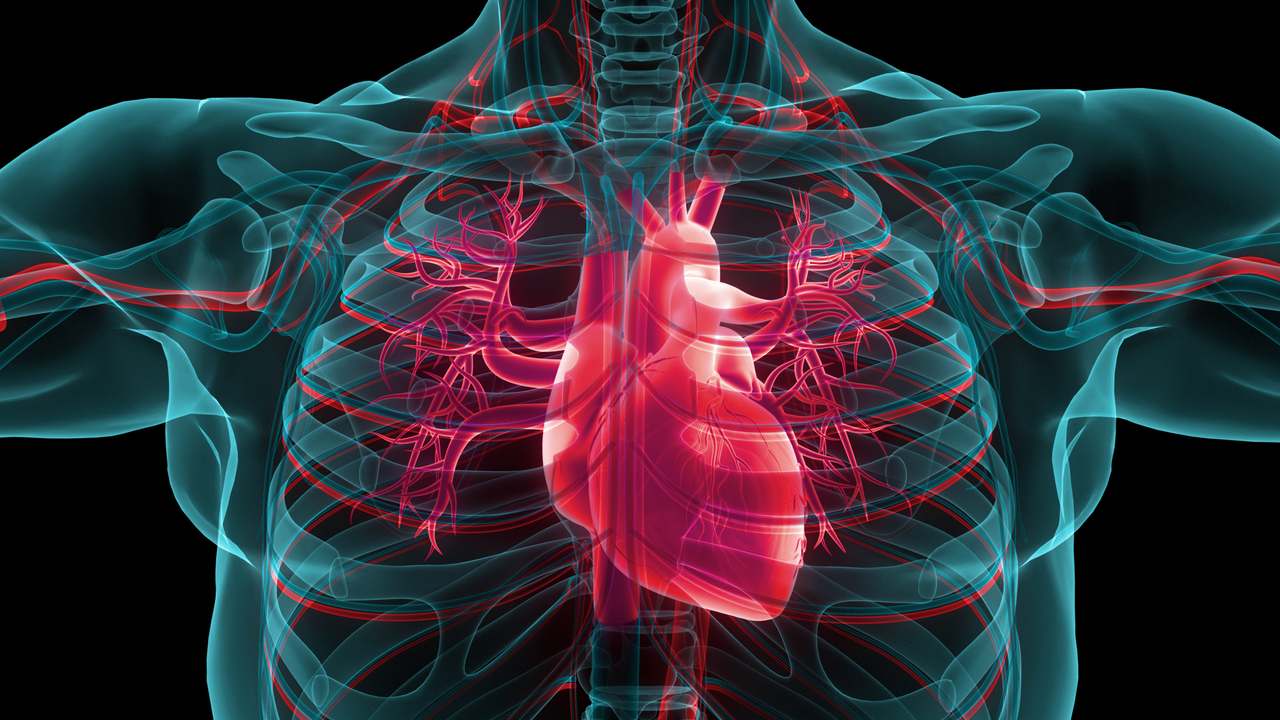
In recent times, there has been a noticeable increase in heart-related risks among Indians in their 20s. In the past, heart disease was mainly a problem of old age, but the changing lifestyles, poor eating habits, and rising stress levels have changed this trend. This has increased the number of doctors recommending a calcium heart scan also called a coronary calcium scan, even for young adults.What Is A Calcium Heart Scan?A calcium heart scan is a quick painless imaging test that checks for calcium deposits in the coronary arteries. These deposits are one of the earliest signs of atherosclerosis, a condition in which plaque builds up inside the arteries and restricts the flow of blood. The significance of this test is that it can uncover hidden risk even before symptoms such as chest pain and breathlessness appear.Why Young Indians Are At Higher RiskYoung Indians face multiple risk factors today. Sedentary lifestyles long working hours also lack of physical activity, smoking and increased intake of processed foods are major contributors. Ailments like diabetes, obesity, high cholesterol and hypertension are also being seen at a much younger age. Family history also matters a lot especially in the Indian population who are genetically more prone to early heart disease.The worry is that many young people seem healthy on routine tests but may still have silent plaque build-up. This is where a calcium score is useful. The higher the score, the more likely you are to have future heart problems, and doctors can take early steps to prevent them such as lifestyle changes or medication.Why Early Screening MattersAnother important point is that heart attacks in young Indians are often more sudden and severe. This makes early screening all the more important. Calcium heart scans don’t replace your routine check-up, but they do provide an extra level of insight in helping to identify hidden cardiovascular risk.This scan is not about instilling fear but about early awareness and prevention. Heart disease if found early can often be controlled or prevented. This small step can help to protect young adults with risk factors for long term heart health.(By Dr. Surendra Nath Khanna, Chairperson, Adult Cardiac Surgery & Heart - Lung Transplant at Artemis Hospital, Gurugram).