
- Health Conditions A-Z
- Health & Wellness
- Nutrition
- Fitness
- Health News
- Ayurveda
- Videos
- Medicine A-Z
- Parenting
Why Is Meningitis Making A Comeback In The UK? Expert Explains

Credits: Canva
The recent deaths of two young people and more than a dozen confirmed cases have brought meningitis back into the public conversation in the United Kingdom. According to Prof Devi Sridhar, chair of global public health at the University of Edinburgh, who wrote for The Guardian the situation is concerning but also a reminder of how public health systems and vaccination programmes shape disease patterns.
Sridhar explains that meningitis has long been a serious public health concern. In the 1990s, the UK recorded around 2,500 laboratory confirmed cases of meningococcal disease each year. Most of these were caused by meningococcal group C bacteria. When the MenC vaccine was introduced in 1999, cases linked to that strain dropped dramatically, falling by about 96 percent to just a few dozen cases annually. Later, vaccination programmes expanded to include the ACWY strains, which also helped reduce infections by limiting transmission.
Another factor behind the current rise is the unusual drop in cases during the COVID-19 pandemic. As Sridhar notes, restrictions on social mixing and other preventive measures in 2020 caused meningitis cases to fall to historic lows, with only about 80 confirmed cases in England that year. Since then, the numbers have gradually increased as normal social activity returned.
Read: Meningitis Outbreak: How to Differentiate The Symptoms From a Common Rash
Sridhar points out that a different strain of bacteria, known as MenB, is now responsible for most recent cases, particularly among younger people. The MenB vaccine was added to the routine childhood immunization programme in 2015, but it only protects children born after that year. Many teenagers and university students therefore remain unvaccinated against this strain.
Read: Meningitis Outbreak: University of Kent Student Among Two Who Died of the ‘Invasive’ Disease
University environments can also contribute to outbreaks because meningitis spreads through close contact such as coughing, sneezing, kissing or sharing items like vapes. According to Sridhar, public health teams respond by tracing close contacts, providing antibiotics, monitoring symptoms and offering targeted vaccinations.
In Kent, authorities have launched a ring vaccination programme focusing on university students to contain the spread. Sridhar says such measures highlight the continued importance of strong public health systems and sustained investment in vaccination programmes to prevent future outbreaks.
What Is Meningitis?
Meningitis is a serious medical condition that affects the protective membranes covering the brain and spinal cord, the meninges. While fever is not always present, it is usually considered as one of the classic symptoms of meningitis. It is important to know the varied symptoms, causes, and treatments of meningitis for early diagnosis and proper management of the disease.
Meningitis is an infectious illness that brings about inflammation in the meninges. The most common cause of such inflammation is bacterial or viral infections, though other causes are also possible including fungal, parasitic, or non-infectious causes (autoimmune disease, head injury, or brain surgery). Meningitis may be caused by bacterial meningitis, which the Centers for Disease Control and Prevention (CDC) indicates can be so severe and bring about conditions like hearing loss, vision problems, and death if not received on time.
COVID-like Nasal Swab Test May Help Spot Early Alzheimer's Signs

Credit: Canva
A team of US researchers has developed a novel nasal swab test, akin to those used to detect COVID-19 infections, which can spot early signs of Alzheimer's Disease -- affecting over 55 million people worldwide.
The condition is treatable in early stages to manage symptoms and slow cognitive decline. However, it remains the hardest to detect, affecting treatment outcomes. The brain changes can begin 10 to 20 years before symptoms become apparent.
The novel outpatient nasal swab, developed by Duke University researchers, has shown promise in picking up early biological changes linked to Alzheimer's. It can spot the degenerative condition, even before problems related to thinking and memory begin to appear.
"We want to be able to confirm Alzheimer's very early, before damage has a chance to build up in the brain," said Bradley J. Goldstein, professor at Duke University's School of Medicine.
"If we can diagnose people early enough, we might be able to start therapies that prevent them from ever developing clinical Alzheimer's," Goldstein added.
How Effective Was The Nasal Swab?
In the study, published in the journal Nature Communications, the team placed a gentle swab high inside the nose of 22 participants.
The swab collected thousands of nerve and immune cells to see which genes are active.
The analysis clearly differentiated people with early or diagnosed Alzheimer's from those without the disease -- 81 percent of the time. It also included people with no symptoms.
Alzheimer’s Disease: The Leading Cause of Dementia
Alzheimer's disease is one of the most common forms of dementia and mostly affects adults over the age of 65.
About 8.8 million Indians aged 60 and above are estimated to be living with Alzheimer's disease. Over seven million people in the US, 65 and older, live with the condition, and over 100,00 die from it annually.
Alzheimer's disease is believed to be caused by the development of toxic amyloid and beta proteins in the brain, which can accumulate and damage cells responsible for memory.
While there is no clear cause of Alzheimer's disease, experts believe it can develop due to genetic mutations and lifestyle choices, such as physical inactivity
unhealthy diet
social isolation.
Early symptoms of Alzheimer's disease include forgetting recent events or conversations. Other signs include:
- losing or misplacing things
- getting lost when walking or driving
- being confused, even in familiar places
- losing track of time
- difficulties solving problems or making decisions
- difficulties performing familiar tasks
- misjudging distances to objects visually.
Over time, Alzheimer's disease leads to serious memory loss and affects a person's ability to do everyday tasks.
Currently, there is no cure for this progressive brain disorder, and in advanced stages, loss of brain function can cause dehydration, poor nutrition, or infection. These complications can result in death.
Being physically active and taking part in activities and social interactions that stimulate the brain and maintain daily function can help prevent the condition.
Why India’s Cardiac Protocols Are Built Around Male Bodies — And What That Means for Women
Credit: iStock
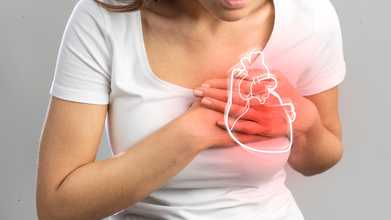
Heart diseases are viewed as a universal health concern, and advancements in cardiology have hugely improved diagnosis and treatment outcomes around the world. At the same time, emerging research is shedding more light on how cardiovascular disease affects women.
In India, this perspective is especially important. Of the more than 10 million deaths recorded annually in the country, nearly two million are attributed to diseases of the circulatory system, with women accounting for about 40% of these cases. Significantly, more than half of the nearly 800,000 cardiovascular deaths among Indian women each year occur prematurely, underscoring the importance of greater awareness, early detection, and timely medical care.
How Cardiac Research Has Evolved
It is evident that modern cardiology has been shaped by the findings from large, well-characterized populations of patients. The frameworks that have been established from such findings are the ones that guide the approaches that are currently used in the diagnosis and treatment of various forms of heart disease.
Such frameworks have been instrumental in the advancement of the management of various forms of cardiovascular diseases worldwide. As the research expands to include larger populations, there is an increased understanding that the manifestation of cardiovascular diseases differs from one group to another, particularly in females.
Recognizing Differences In Symptoms
This growing awareness is particularly useful in recognizing symptoms. Although women, like men, may experience chest pain as a symptom of a heart attack, there are other, less common symptoms that women may also experience.
These include fatigue, shortness of breath, nausea, dizziness, as well as neck, jaw, or back discomfort. The awareness of these symptoms will allow women to seek treatment sooner, as well as help healthcare providers better understand their symptoms.
The Role of Life Stages in Women’s Heart Health
Women’s heart health is influenced by various life stages and the hormonal changes that accompany them. For instance, after menopause, estrogen levels decline, and since this hormone offers some protective benefits for the heart, the risk of developing heart disease may gradually rise.
Certain pregnancy-related conditions, including gestational diabetes, preeclampsia, and high blood pressure during pregnancy, may also indicate a greater likelihood of cardiovascular disease later in life. Recognising these factors allows doctors to monitor heart health more closely and recommend preventive measures that support long-term wellbeing.
Strengthening Prevention And Early Detection
Prevention continues to be one of the most effective strategies for reducing heart disease. Regular health check-ups, along with monitoring blood pressure, cholesterol, and blood sugar, are essential for lowering cardiovascular risk. Adopting healthy lifestyle habits further supports long-term heart health. Awareness is equally important.
Symptoms such as fatigue or breathlessness are not always immediately linked to heart disease, particularly among women. Raising awareness about heart health can help people recognize early warning signs sooner and seek timely care.
Moving Toward More Inclusive Cardiac Care
Encouragingly, the field of cardiology is constantly evolving with the help of emerging research that is further enlightening us about the health of the heart in both men and women. With more women being included in research and better developments in diagnostic procedures, healthcare professionals are refining their strategies to deal with heart health.
Thus, by adopting the best strategies and emerging research about the health of women’s hearts, awareness and early intervention are the keys to better outcomes and reduced risks among women in India.
Physical Inactivity Due To Climate Change To Lead To 700,000 Additional Deaths By 2050: The Lancet

Credit: iStock
Physical activity is a known factor for better physical and mental well-being. However, imagine severe heat forcing you to remain indoors and not being able to just walk around your neighborhood.
The new study published in the journal The Lancet Global Health predicts that by 2050, the rising temperatures are likely to stop people from being active.
It showed that lack of physical activity, especially for people unable to access gyms, will lead to an estimated 700,000 additional premature deaths.
It is also projected to cause $2.59 billion in annual productivity losses.
“Rising temperatures are projected to increase the prevalence of physical inactivity, translating into additional premature deaths and productivity losses, especially in tropical regions,” said a team of Latin American researchers, led by Pontifical Catholic University of Argentina.
The latest report comes amid climate scientists from the UN Intergovernmental Panel on Climate Change warning of a warmer climate -- between 2.7 and 3.1 degrees Celsius by 2100.
In addition, physical inactivity is already a major global health problem, with about one in three adults failing to meet World Health Organization guidelines for weekly exercise.
Deaths Due To Climate Change
The study models how rising temperatures may affect physical activity globally up to the year 2050 based on an analysis of data from 156 countries between 2000 and 2022.
It suggests that by 2050, an average temperature above 27.8°C per month would increase physical inactivity by
- 1.5 percentage points globally
- 1.85 percentage points in low- and middle-income countries
- No clear impact in high-income countries
“This translates to a predicted 0.47–0.70 million additional premature deaths annually and $2.40–3.68 billion in productivity losses,” the researchers said.
The biggest increase in inactivity will be in hotter regions such as
- Central America,
- the Caribbean,
- Eastern Sub-Saharan Africa,
- Equatorial Southeast Asia
Heat can discourage the most common exercise regimen – walks, lead author Christian Garcia-Witulski, Professor at the Pontifical Catholic University, was quoted as saying to The Washington Post.
“The real-world picture is usually not that people suddenly stop moving altogether. It is that heat that gradually erodes the safe, comfortable, and practical opportunities people have to stay active in everyday life,” Garcia-Witulski said.
Physical Inactivity - A Silent Global Crisis
Regular physical activity promotes both mental and physical health in people of all ages. The WHO advises at least 150 minutes of moderate or 75 minutes of vigorous exercise weekly, alongside regular muscle-strengthening activities.
As per the Global Status Report on Physical Activity 2022, more than 80 percent of adolescents and 27 percent of adults do not meet the WHO’s recommended levels of physical activity.
The UN health body also aims to achieve the global target of a 15 percent relative reduction in the prevalence of physical inactivity by 2030.
The WHO recommends that countries increase levels of physical activitywithin their populations by developing and implementing dedicated comprehensive national policies to ensure safer roads for cycling and walking, accessible opportunities for active recreation where people live, work, and play, and promoting physical activity.
The Lancet researchers called for
- action to protect the public from rising heat,
- design cooler cities,
- provide affordable air-conditioned places to exercise,
- clear advice on how to stay safe in extreme heat,
- reduce greenhouse gas emissions.
- Follow Us :


© 2024 Bennett, Coleman & Company Limited