
- Health Conditions A-Z
- Health & Wellness
- Nutrition
- Fitness
- Health News
- Ayurveda
- Videos
- Medicine A-Z
- Parenting
Your Coffee Cup Is Exposing You To Microplastics, Study Suggests

Credit: Canva
The takeaway coffee cup in your hand may be releasing a sea of microplastics into your body every time you take a sip, a new study reveals.
Microplastics are essentially fragments of plastic that are between 1 nanometer and 5 millimetres wide and can found in water, soil and the air. Experts estimate that about 2.7 million tonnes of microplastics seeped into the environment in 2020, an estimate expected to double by 2040.
These fragments carry toxic chemicals and can disrupt internal biological processes, leading to inflammation, cell death, organ dysfunction, heart attacks and reproductive issues in humans. Scientists have also found links between microplastics and cancer.
While researchers have long claimed that microplastics can enter the human body through contaminated food and water, a new Australian study suggests it can also enter through hot coffee cups.
Why Are Plastic Coffee Cups Dangerous?
Based on the Journal of Hazardous Materials: Plastics study, cups made of plastic or with a thin plastic lining can shedding thousands of tiny plastic fragments directly into your drink when filled with hot coffee.Xiangyu Liu, study co-author and research fellow at School of Environment and Science and Australian Rivers Institute, Griffith University, Nathan, said this was due to heat.
The team conducted a a meta-analysis on existing research and analyzed data from 30 peer-reviewed studies. During this time, they focused on how common plastics such as polyethylene and polypropylene behave under different conditions, primarily temperature.
As the temperature of the liquid inside a container increased they noticed that the release of microplastics generally increases too. In the studies reviewed, reported releases ranged from a few hundred particles to more than 8 million particles per litre, depending on the material and study design.
Interestingly, 'soaking time' or the amount of time the drink sits in the cup was not a consistent driver, suggesting that leaving a hot drink in a plastic cup for a long time is not as important as the initial temperature of the liquid when it first hits the plastic.
After testing nearly 400 different cups, they found that if someone drinks '300 millilitres of coffee in a cup made of polyethylene per day, they could ingest 363,000 pieces of microplastic particles every year', according to Liu
What Can Be Done To Reduce Risks?
The team recommends using a reusable cup made of stainless steel, ceramic, or glass, as these materials do not shed microplastics for hot drinks. If you must use a disposable cup, its is better to drink out of a plastic-lined paper cup as they shed fewer particles than pure plastic cups, though neither is microplastic free.
They also advise not pouring putting boiling liquids directly into plastic-lined containers. Telling the barista to make your morning coffee slightly cooler before it hits the cup can reduce the physical stress on the plastic lining and lower overall exposure.
World Sleep Day: Why Our OTT Obsession is Costing Us Our Health
Credit: Canva
As we observe World Sleep Day today, under the theme “Sleep Well, Live Better”, we find ourselves at a digital crossroads. While we have never been more aware of the benefits of eight hours’ sleep, we have also never been more tempted to sacrifice that, like we are today.
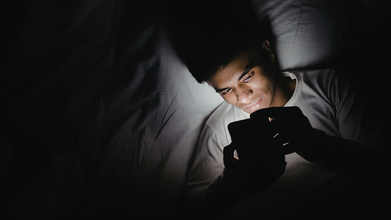
Despite our pursuit of better sleep, modern-day lifestyles with late nights have trapped us in a loop of digital indulgence. The main culprit behind this is the rise of the Over-The-Top (OTT) streaming platforms, which contribute to binge watching, followed closely by constant scrolling on social media. We are sacrificing restorative sleep for the lure of just one more episode, not realizing that the biological toll is higher than we think.
The Allure Of Just One More Episode
Binge-watching is not just a matter of lack of willpower; it is actually a carefully crafted psychological hook. The OTT platforms are designed to ignore our stop signals through features such as auto-play and cliffhanger storylines, which make us want to watch more.
When we decide to watch a particular show at 11:00 PM, we invariably find ourselves glued to the screen even at 2:00 AM, which harms our sleep cycle not only for that day, but also our work performance the next day.
This is actually known as Revenge Bedtime Procrastination, where people who have very little control over their lives during the daytime refuse to go to bed early in a bid to reclaim some freedom during the late hours of the night. However, this is actually an illusion that works to deliberately destroy our circadian rhythm, which in the long term is very harmful to our bodies.
The Biological Backlash
Our bodies operate on a delicate internal clock. When we expose ourselves to the blue light emitted by televisions, laptops, tablets, and smartphones, we suppress the production of melatonin, the hormone responsible for sleep.
Some of the ill-effects of this include:
1. Disrupted Sleep Cycles and Blue Light Blockage
The human brain doesn’t just turn off when we sleep; it cycles through specific stages, moving from light sleep to deep (Non-Rapid Eye Movement) and finally to REM.
Our OTT devices emit high-intensity blue light. This light hits the melanopsin-containing receptors in your retina, which send a direct signal to the Suprachiasmatic Nucleus—the brain’s master clock. This signal suppresses the pineal gland from releasing melatonin.
Melatonin is a natural hormone produced by the pineal gland in response to darkness, signaling the body to sleep and regulating the circadian rhythm.
Depriving yourself of this makes the brain emotionally brittle and unable to distinguish between a minor inconvenience and a genuine crisis the next day.
2. Cognitive Fog: The Failure of the Glymphatic System
Cognitive fog is the subjective feeling of a very real physiological backlog. Think of your brain as a high-performance engine that produces metabolic waste throughout the day. During deep sleep, the space between your neurons increases, allowing Cerebrospinal Fluid (CSF) to rush in and wash away metabolic waste products, such as beta-amyloid (the same protein linked to Alzheimer’s).
Sleep is also when the brain performs synaptic scaling. It weakens unimportant neural connections made during the day so that the important ones (learning and memory) can stand out. When you compromise your sleep cycle for OTT, the trash isn’t picked up.
Your synapses remain cluttered and noisy, leading to slower neural transmission speeds. This manifests as cognitive fog, characterized by problems in focusing and slow-motion thinking.
3. Physical Health Risks: Autonomic Dysregulation
The brain is the command center for your entire body’s physiology. Chronic sleep deprivation caused by late-night digital habits keeps the brain in a state of Hyperarousal. Staying awake late to watch stimulating content triggers the Hypothalamic-Pituitary-Adrenal (HPA) axis. This keeps your cortisol levels (the stress hormone) and norepinephrine abnormally high.
Over time, this chronic fight or flight state leads to structural changes in the brain’s vasculature. The persistent elevation in blood pressure (hypertension) and the metabolic shift toward obesity are direct results of a brain that is being forced to stay awake when it should be recharging.
Beyond OTT, doom-scrolling through social media feeds adds to the mental stimulation. The dopamine hits from the ‘likes’ and short-form videos keep the brain in a high state of arousal, making it nearly impossible to transition into a restful state.
Reclaiming the Night: Practical Solutions
However, to fully live by the motto of “Sleep Well, Live Better”, we need to change the way we think about sleep. Sleep is neither a luxury nor a waste of time; it is the key to efficiency in our tasks during our waking hours.
The solutions are simple, but need discipline:
- Digital Sunset: Just as the sun sets, so too should your digital devices. Try to turn off all OTT platforms and social media at least 60 minutes before bedtime. This will give your body the chance to produce melatonin naturally.
- The One-Episode Rule: If you absolutely have to watch something before going to bed, pick a show that has a definitive endpoint for the night. Turn off the auto-play feature on your streaming services to take back control of your viewing habits.
- Create a Sanctuary: Make the bedroom a screen-free zone. If your phone is your alarm clock, consider purchasing a traditional analog clock to take away the temptation of a quick scroll before drifting off to sleep.
- Mindful Transitioning: Swap out the blue light for low-stimulation activities. Reading a physical book will make your brain think, and you will feel tired after some time, which will lead to better sleep. Some gentle stretching or journaling can help your nervous system understand that the day is over.
Sleep Well, Live Better
This World Sleep Day, let us recognize that no plot twist in a thriller or no viral trend on social media is worth the degradation of our health by compromising on sleep.
The “miracles” we seek—success at work, family time, and personal growth—cannot be built on a foundation of exhaustion. We all need rest so that we can wake up with more energy the next day to achieve our life goals with dedication.
By choosing the pillow over the play button, we aren’t just going to sleep; we are choosing to live a more vibrant, focused, and healthier life.
Jane Fallon Diagnosed With Breast Cancer, This Is How She Caught It Early
(Credit - IMDb Jane Fallon)
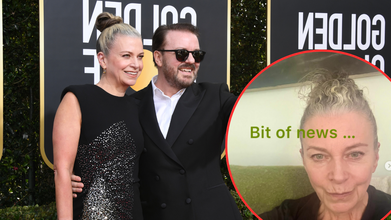
Jane Fallon, Ricky Gervais’ longtime partner, recently opened up about being diagnosed with breast cancer. The producer of 20 Things To Do Before You’re 30, Fallon explained that her breast cancer was diagnosed during a routine mammogram in December.
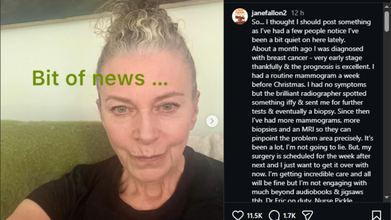
“About a month ago I was diagnosed with breast cancer - very early stage thankfully & the prognosis is excellent. I had a routine mammogram a week before Christmas.” She explained that she had no symptoms however; it was her regular check-ups that helped the early diagnosis.
“I had no symptoms, but the brilliant radiographer spotted something iffy & sent me for further tests & eventually a biopsy” With biopsies and an MRI, her healthcare team located the “problem area” and now her surgery has been scheduled for next week.
Why Early Diagnosis Matter For Breast Cancer
According to the Center of Disease Control and Prevention (CDC), breast cancer screening is a proactive checkup used to find cancer before any physical signs or symptoms appear. While screening doesn’t prevent cancer, its goal is early detection, making the disease much easier to treat.
Since every person’s body and history are different, you and your doctor should engage in informed and shared decision-making. This means discussing the pros and cons to decide together if, and when, screening is right for you.
Also Read: Breast Cancer Patients Choosing Alternative Medicine Face Higher Death Risk | Women's Day
The U.S. Preventive Services Task Force (a group of national medical experts) provides guidelines based on the latest research:
Average Risk
Women aged 40 to 74 should generally get a mammogram every two years.
High Risk
If you have a family history or other risk factors, your doctor may recommend a different schedule or additional tests.
How Is Breast Cancer Screening Done?
There are two main imaging tools used to look for breast cancer:
Mammogram
This is a specialized X-ray and remains the "gold standard" for most women. It can spot tumors long before they can be felt, significantly lowering the risk of dying from the disease.
Breast MRI
This uses magnets and radio waves for a detailed image. It is typically reserved for women at high risk and is used alongside a mammogram, rather than instead of one.
Also Read: Breast Cancer To Reach Over 3.5 Mn By 2050, Deaths To Surge 44% Predicts Lancet Study
Breast Cancer Awareness Starts At Home
Staying informed about your body through physical checks is a key part of proactive health. A clinical breast exam involves a healthcare professional using their hands to feel for any unusual lumps or changes in texture.
Parallel to this is breast self-awareness, which encourages you to become familiar with the normal look and feel of your breasts. While neither practice is currently proven to lower the overall risk of death from cancer, they remain vital for identifying immediate concerns like pain or size changes.
Navigating healthcare requires a careful balance of pros and cons, which is why informed and shared decision-making is so important. Every screening test involves a trade-off; while the goal is protection, there is always a possibility of encountering false positives or overdiagnosis.
What Are The Benefits of Early Screening?
The primary advantage of regular breast cancer screening is the ability to achieve early intervention.
When cancer is detected in its earliest stages, often long before a physical lump can be felt, it is typically much smaller and confined to a localized area.
This makes the disease significantly easier to treat and often allows for more successful outcomes with less aggressive medical procedures.
Ultimately, consistent screening provides the best opportunity to find and address issues before they become life-threatening or difficult to manage.
Harish Rana Case Brings Spotlight On How Passive Euthanasia Has Evolved Over The Years
Credits: Tatva, Facebook, Wikimedia Commons
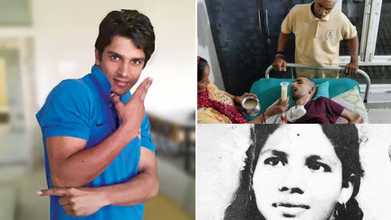
The Supreme Court of India, in a landmark judgment allowed 32-year-old Harish Rana, who had been living in a vegetative state for last 13 years, the right to die. This means, that the apex court allowed passive euthanasia for Rana. The bench comprising Justice JB Pardiwala an Justice KV Vishwanathan allowed the withdrawal of life support of Rana, who has been in a coma and kept alive on tubes for breathing and nutrition after he sustained severe head injuries following a fall from a building in 2013 in Chandigarh.
The judgment is a win, however, Ashok, Rana's father said that his feelings are mixed. "As a father, this is extremely painful. But on humanitarian grounds, this is the best we can do for my son." He continued, "It is just not a matter of my son, but there are many others in such a state in the country. I think it is the grace of God who guided the Supreme Court judges... I am happy that with this judgments, many others may find a way."
While, this is a landmark judgment, India's conversation on right to die has evolved slowly. What shaped the judgment is also the years old case of Aruna Shanbaugh. This was the case that set the legal framework for right to die, so it could be implemented in practice years later in Rana's case.
Read: Supreme Court Allows 1st Passive Euthanasia For Man In Vegetative State For 13 Years
The Cases That Shaped India's Right To Die
If one could trace the earliest debates that began around the "right to die", one could not overlook Gian Kaur v. State of Punjab (1996). This is where a three-judge bench of the Supreme Court upheld the constitutional validity of the offence of abetment of suicide under the Indian Penal Code. The apex court ruled that right to life under Article 21 does NOT include a right to die.
While the court did not rule on the validity of active or passive Euthanasia, it did make an important observation, which was later used in the coming euthanasia jurisprudence.
The court noted that the right to live with human dignity would also mean the existence of such a right upto the end of natural life. This means the right to a dignified life upto the point of death, which also includes a dignified procedure of death.
Fast forwarding to 2006, the 196th Law Commission of India said that withholding life support or medical treatment of terminally ill patients does not attract criminal liability of attempt to suicide. The court noted that such a action should be done provided it is done in the best interest of the patient.
Aruna Shandbaug Case
In India, euthanasia is allowed under strict guidelines and is only legalized with the withdrawal of life support for terminally ill patients, which means, passive euthanasia. The landmark case if of Aruna Shanbaug, a nurse at King Edward Memorial Hospital who had been kept in a vegetative condition for more then four decades for finally to be granted passive euthanasia, that too "only by legislation", which means the process must be followed until Parliament makes legislation on this subject.
Shanbaug was a victim of a brutal sexual assault in 1973 that deprived oxygen supply to her brain. In 2009, journalist Pinki Virani approach the Supreme Court to seek permission for euthanasia on Shanbaug's behalf. This was met with much criticism, including from the community of nurses who were taking care of Shanbaug since decades. However, many reports show that despite the care, Shanbaug's condition in hospital continued to worsen.
The court in 2011 refused euthanasia largely due to the opposition from hospital staff who cared for her. However, it did deliver a historic ruling and legalized passive euthanasia in India, subject to prescribed safeguards and High Court approval, and made it lawful "only by legislation", as explained above.
The Important Of Living Will And Right To Die With Dignity
Dr Rajeev Jayadevan, a physician with extensive international clinical experience and a strong interest in public health wrote for Health and Me on the importance of living will. He also noted that recent legal developments "have highlighted the importance of advance planning for end-of-life care".
Read: Harish Rana Case Highlights Why Planning For A Living Will Is Important
The doctrine evolved further in Common Cause v. Union of India (2018), when a Constitution Bench of the Supreme Court led by then Chief Justice Dipak Misra recognized that the right to die with dignity is part of Article 21 of the Constitution.
The court ruled that passive euthanasia is legally valid. It said that while the sanctity of life must be respected, in cases of terminal illness or patients in a persistent vegetative state with no hope of recovery, priority should be given to the patient’s advance directive and right to self-determination.
The judgment also introduced the concept of advance medical directives, or “living wills”.
A living will is a written document in which a person can specify in advance the medical treatment they wish to receive if they become terminally ill or are no longer able to give informed consent.
It can also allow family members to withdraw life support if a medical board determines that the patient cannot recover.
The ruling strengthened patient autonomy by allowing people to make decisions about their end-of-life care even when they cannot communicate those wishes later.
What Has Changed Through Judgments?
While the 2018 ruling recognized living wills and passive euthanasia, the process was very complicated. It required approvals and countersigning by a judicial magistrate and multiple procedural steps, which made it difficult for families and hospitals to follow.
In 2019, the Indian Council of Critical Care Medicine told the Supreme Court that these rules were too hard to implement.
Read: Passive Euthanasia: Harish Rana’s Case May Reshape End-of-life Protocols, Say Experts
In 2023, a Constitution Bench simplified the process. Living wills no longer need a magistrate’s signature and can be attested by a notary or gazetted officer. More than one family member can be named as a decision-maker. Hospitals now rely on two medical boards that must give an opinion within 48 hours, and they only need to inform a magistrate rather than seek approval.
The issue came to the forefront in the case of Harish Rana, who suffered severe brain injuries after a fall in 2012 and showed no recovery for 13 years. In 2024, his family approached the Supreme Court seeking permission to withdraw life support.
The court allowed it, saying continuing treatment was not in his best interest.
Legal experts say this marks a major shift in India’s approach to passive euthanasia. Over the years, court rulings have strengthened the idea that the right to die with dignity is part of Article 21, simplified procedures for living wills, and shown greater willingness to balance the sanctity of life with dignity at the end of life.
- Follow Us :


© 2024 Bennett, Coleman & Company Limited