
- Health Conditions A-Z
- Health & Wellness
- Nutrition
- Fitness
- Health News
- Ayurveda
- Videos
- Medicine A-Z
- Parenting
Blueberries Improve Cognition, Memory, New Study Finds

Credit: Canva
Have you ever wondered about the health benefits of those tiny blue bursts of flavour that you add to your smoothie or to your breakfast cereals? Blueberries are packed with nutrients and antioxidants that offer a range of benefits, particularly to your stomach and guts. Now, a new study has found that it has significant benefits to your intelligence and cognition too.
Just Half Cup Of Blueberries Improve Cognition
A study published in Nutrients found that participants who ate just half a cup of blueberries a day for 12 weeks experienced improvements in learning, memory, and executive function decision-making, planning, focus, task management, etc.This is particularly noteworthy because executive function governs our ability to stay organized, make informed decisions, and follow through on tasks—skills that often begin to wane with age. The fact that something as simple and accessible as blueberries could influence these areas in just a matter of weeks is pretty incredible.
Why? Blueberries are rich in antioxidants and other bioactive compounds (chemicals that promote good health). Specifically, blueberries are packed with anthocyanin, an antioxidant that improves metabolic function, increases cell-level energy production, and decreases inflammation.
These compounds are naturally occurring pigments that give blueberries their deep colour, and they do more than just look pretty—they work on a cellular level to reduce oxidative stress, which is one of the factors believed to contribute to age-related cognitive decline.
That’s especially important if you’re somewhat overweight. Generally speaking, metabolic disturbance accelerates in middle age and is a prominent risk factor for dementia. Unfortunately, those who are overweight or otherwise insulin-resistant have an elevated risk for future dementia.
So, for those trying to take proactive steps against cognitive decline, blueberries offer a simple, natural solution. Not a miracle cure—but an effective supplement to an overall healthy lifestyle. The demonstration of these benefits … suggests that ongoing blueberry supplementation may contribute to protection against cognitive decline when implemented early. Or in non-researcher-speak, half a cup of blueberries a day improved the average participant’s language skills, improved their short-term memory, and enhanced their decision-making, planning, and organizational skills.
As an added bonus, participants also experienced lower fasting insulin levels, which means their ability to process carbohydrates efficiently (an important aspect of overall metabolic health) had also improved.
Genetics Matter Too
Sound too good to be true? Granted, blueberries aren’t magic. Genetics also matter. Beyond that, considerable research shows diet, exercise, and a healthy lifestyle make the biggest impact on improving — or at the very least maintaining — the effect of aging on cognition and memory.A healthy diet can reduce age-related cognitive decline and the risk of developing various neurodegenerative diseases.
Exercise can slow or even reverse the physical decay of your brain. Research shows exercise can increase the size of your hippocampus even in your 60’s and 70’s, helping to mitigate the impact of age-related memory loss.
As for lifestyle, insufficient sleep is associated with accelerated brain atrophy and impaired brain functional connectivity. Alcohol, tobacco, and other drugs directly impact the brain, causing it to age more rapidly, atrophy, and lose functioning ability.
So, yeah: If your diet sucks, you never exercise, and you smoke, drink, and don’t get enough sleep, blueberries are just a drop in the learning, memory, and executive function bucket.
But they can help.
Plus, adding one positive habit to your lifestyle may help you more easily add additional positive habits to your lifestyle. Psychologists call it the spillover effect: the way making one positive choice, no matter how small, inspires you to make other positive choices. The way focusing on improving one thing, no matter how small, will naturally and even effortlessly lead to making improvements in other areas.
Diabetes Diet Plan: South Indian Breads That Are Better Than Roti

Wheat roti is an inflatable bread that has gluten and is high in calories as well. (Photo credit: iStock)
New Delhi: Talk of a classic Indian meal, and the key components are dal, roti, vegetable curry, and rice. One of the most popular flatbreads, roti is an essential component of a basic North Indian meal—but little do we realise that it can provide approximately 100 calories per piece. For a diabetes patient, this can be a concern due to blood sugar fluctuations. So, what alternative can one fall back on? It is South Indian cuisine that can come to your rescue, as it not only satisfies the taste buds but is also considered diabetes-friendly and weight-loss-friendly.
Read more: Eating Right, Working Out - Still Gaining Weight? Here’s Why
Why are South Indian breads healthier?
The key component of roti or chapati is wheat. Despite being a decent source of fibre, it has a high glycemic index that can result in spikes or drops in blood sugar levels. South Indian breads such as dosa are rice- and lentil-based or sometimes made with sooji. These are cooked on low heat on a tava, or sometimes even steamed. This, in turn, keeps the calorie count low while delivering fibre, protein, and essential vitamins in a meal. A number of South Indian breads are also gluten-free. Take a look at the top five healthy South Indian breads that are far better than roti.
Dosa: Talk of South Indian food, and dosa always takes the cake for being versatile, delicious, and healthy. What more can one ask for? It is a fermented crepe made from lentils and rice. Its calorie count is as low as 100–120 calories. A filling option, this bread is worth mentioning in a series of healthy Indian breads.

Appam: Naturally low in fat, appam is also a healthy South Indian flatbread made from rice flour and coconut milk. The batter is fermented for a period of time and then prepared like a soft, fluffy pancake. Appams generally provide 100–150 calories per piece.

Uttapam: If you are looking for a more elaborate preparation with lots of vegetables, then uttapam can be your pick. This South Indian bread is a popular breakfast food, as it is nutrient-dense, filling, and incredibly delicious. This fermented dish packs protein, fibre, probiotics, and other essential vitamins. It is good for weight loss and also benefits diabetics managing blood sugar fluctuations.

Akki roti: Akki roti is gluten-free and made from rice flour. Native to Karnataka, this flatbread is generally served for breakfast and is prepared by mixing rice flour with onions, green chilies, or vegetables like carrots and cucumber.

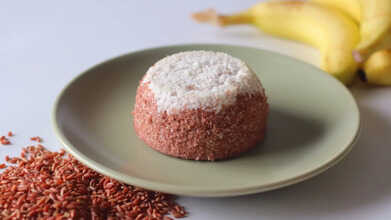
Puttu: Native to Kerala, this South Indian bread is made with steamed white rice and coconut shavings. It is gluten-free, low in calories, and also has a low glycemic index. Therefore, it is a good choice for diabetes patients.
E. Coli Outbreak Linked To Cheddar Cheese, 7 People In 3 States Affected
Credits: Canva/FDA
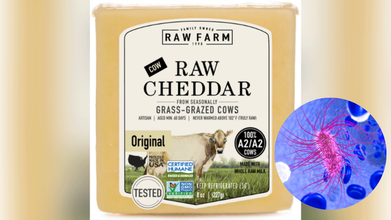
E. coli outbreak was linked to raw cheddar cheese. This has allegedly sickened seven people across multiple states. Federal regulators on Sunday announced that an E. coli outbreak infected seven people in three states and it has been traced to raw cheddar cheese product. Individuals who have been affected are children, ages 3 or younger across California, Texas, and Florida. The US Food and Drug Administration (FDA) noted that out of the seven cases, fiver were in California, one in Florida and another in Texas.
FDA said, "The FDA and CDC, in collaboration with state and local partners, are investigating a multistate outbreak of E. coli O157:H7 infections. As of March 14, 2026, a total of 7 confirmed infections have been reported from three states."
Also Read: Meningitis Outbreak: University of Kent Student Among Two Who Died of the ‘Invasive’ Disease
The officials have been able to trace the California producer RAW FARM, which is a family-owned company and is recognized as nation's largest producer of raw dairy products. FDA also noted that RAW FARM has declined to issue a voluntary recall despite agency's recommendation.
What Is RAW FARM's Response To The E.coli Outbreak?
The dairy farm denied any such allegations on its social media page. On Monday, it claimed that the health agency has made "false allegations" against the brand and that no tests have confirmed a positive match for the E.coli strain.
The statement by RAW FARM noted: "We disagree 100% with the allegations made by the FDA and CDC," the company said. "All of our products have been CONFIRMED to be negative for all harmful bacteria, including Ecoli 0157-H7. FDA has found NO Raw Farm products to be tested positive for Ecoli in the marketplace."
"Inaccurate statements made by the FDA and CDC linking our brand to an outbreak is egregious and extreme harassment towards our brand," it added.
Also Read: Does Heating Food Kill E.Coli?
What Have The Tests Shown?
However, the FDA confirmed that no RAW FARM-brand cheddar cheese products have been tested positive for E.coli. State partners have begun collecting product samples. FDA added that the investigators were able to track the infections using epidemiological data, which is a scientific method that analyzes the distribution, patterns, and causes of health-related events.
"Epidemiologic evidence indicates that RAW FARM-brand raw cheddar cheese products made by RAW FARM, LLC are the likely source of this outbreak," the agency said.
Of the three individuals who were interviewed, all reported eating RAW FARM-brand cheese, noted the federal regulators. They also added that local officials are working to gather more information for the other four cases.
As of now, two patients have been hospitalized, and no deaths have been reported.
While the company denied FDA's allegations, the agency released a notice urging consumers and retailers to exercise caution with the cheese and to sanitize any surface to prevent cross-contamination.
What Is E. Coli?
Escherichia coli, or E.coli is a bacterium that lives in the human intestine and is one of the most common causes of foodborne illness in the US and the UK. In June 2024, the UK Health Security Agency (UKHSA) warned that E.coli cases reported across the UK were part of a single outbreak. It also issued a list of recalled products to parents as the outbreak spread.
There are multiple species of E.coli, and some of them are also harmless. However, there are others that can result in mild symptoms, including nausea, fatigue, and diarrhea, while some can be even more serious and can lead to life-threatening symptoms.
Is Pasta Actually Unhealthy? Experts Say It’s All About Balance
Credits: Canva
Few foods feel as comforting as a warm bowl of pasta. Yet, despite its popularity across the world, pasta often gets a bad reputation when people talk about healthy eating.
For years, it has been labelled as the villain of many diets. People blame it for weight gain, bloating, and that sleepy feeling that sometimes follows a heavy meal. Because pasta is rich in carbohydrates, many assume it is automatically unhealthy or something that must be avoided while trying to lose weight.
Nutrition experts say that idea is far from the truth.
In reality, pasta can absolutely fit into a balanced diet. The key lies not just in the pasta itself but in how it is cooked, served, and paired with other foods.
Understanding What Pasta Really Offers
At its core, pasta is a source of carbohydrates. These carbohydrates break down into glucose in the body, which provides energy for everyday functions. This energy fuels the brain, supports muscle activity, and keeps the nervous system running smoothly. That is one reason athletes and physically active people often include pasta in their meals.
Wholewheat pasta brings additional benefits to the table. Because it uses the entire grain, it contains more fibre than refined white pasta. Fiber helps slow digestion, keeps you feeling full for longer, and supports healthy digestion.
There are also newer alternatives now widely available. Pasta made from chickpeas, lentils, or split peas often contains higher levels of protein and fiber than traditional wheat pasta. These options can be particularly helpful for people looking to increase plant based protein in their diet.
Even regular white pasta contains nutrients that many people overlook. During production, some varieties are fortified with important vitamins and minerals such as iron and B vitamins including thiamine and folate.
Portion Size and Balance Matter
When it comes to including pasta in a healthy diet, portion size plays an important role. A typical serving is around 75 grams of dried pasta per adult, which becomes roughly 180 to 200 grams once cooked.
The bigger issue often lies in how pasta dishes are prepared. Creamy sauces, excessive cheese, butter, and processed meats can quickly push the calorie count much higher. In contrast, pairing pasta with vegetables, lean protein, and healthy fats creates a far more balanced meal.
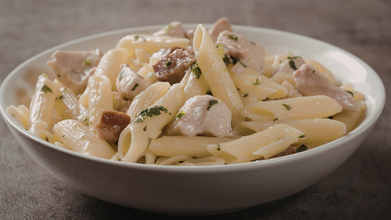
Simple additions like tomatoes, spinach, mushrooms, beans, lentils, seafood, or grilled chicken can transform pasta into a nutrient rich dish. A drizzle of olive oil and a generous portion of vegetables can make the meal satisfying without making it overly heavy.
Why Some People Feel Bloated After Pasta
Bloating after eating pasta is fairly common, but the cause can vary.
For some people, gluten may be the trigger. Individuals with coeliac disease cannot tolerate gluten, a protein found in wheat, and eating wheat based pasta can cause serious digestive issues.
In other cases, the problem may be certain carbohydrates found in wheat known as FODMAPs. These compounds can be difficult for some people to digest. When they reach the large intestine, bacteria ferment them, producing gas that may lead to bloating, cramps, or discomfort.
The way pasta is cooked can also make a difference. Pasta cooked al dente, meaning slightly firm to the bite, is digested more slowly than overcooked pasta. Cooling pasta after cooking, such as in pasta salads, can also increase resistant starch. This type of starch digests more slowly and may support gut health.
In the end, pasta itself is not the problem many people believe it to be. When eaten in sensible portions and paired with nourishing ingredients, it can be a satisfying and perfectly healthy part of everyday meals.
- Follow Us :


© 2024 Bennett, Coleman & Company Limited