
- Health Conditions A-Z
- Health & Wellness
- Nutrition
- Fitness
- Health News
- Ayurveda
- Videos
- Medicine A-Z
- Parenting
Over-the-Counter Vitamin B6 Linked To Nerve Damage: Hundreds Join Class Action In Australia
Credits: Canva
Blackmores Vitamin B6 Case: "I first reported numb hands and feet to doctors in 2012, when I was taking vitamin B6 in various supplements. In 2019, I suffered a paralysed vocal cord, which affects my ability to speak and swallow liquid. I was teaching English at TAFE and I basically had to give up my job because I could not speak. I had other symptoms, like stabbing in my feet, numbness, headaches, and gut pain. I have seen dozens of specialists over he past 10 years, trying to get a diagnosis on my "mystery illness"," shares 61-year-old, Penny Thompson from Wollongong to The Sydney Morning Herald.
There are many others like her. The reason behind all this is the over-the-counter vitamins. The Sydney Morning Herald reports that many patients developed twitches, migraines, nerve damages, and other neurological symptom after they took over-the-counter supplements. These are the same patients who have now "joined a class action investigation against wellness giant Blackmores", for selling vitamin "linked to a growing number of toxicity cases".
Also Read: Hulk Hogan Dies from Sudden Cardiac Arrest at 71— WWE Legend’s Death Sparks Health Concerns
What Is Happening With OTC Vitamins?
In May, Melbourne injury law firm Polaris announced that it was pursuing a class action investigation against Blackmores, an Australian health supplement company, on behalf of anyone who has suffered injuries after taking its supplements. The reason being, it contains "higher than recommended levels of vitamin B6".
The law firm's principal, Nick Mann, said that they have more than 300 inquiries joining the potential suit. Majority of these respondents have suffered injuries after consuming Blackmore's supplements that contain vitamin B6.
“One of the things that surprised me has been the number of people who’ve told us about really significant and ongoing impacts of B6 toxicity long after they’ve ceased taking the supplement,” Mann told The Sydney Morning Herald. “The impacts on them have been permanent and ongoing.”
However, Blackmores spokesperson told the media outlet that all its products including those that contain vitamin B6 are "in strict accordance" with Therapeutic Goods Administration's (TGA), a regulatory agency of the Australian Government as part of its Department of Health, Disability and Ageing, regulatory requirement.
Is Vitamin B6 Toxic?
Vitamin B6 is considered toxic when consumed in high doses over a long period. However, the TGA notes that there was no scientific consensus on a 'safe' threshold.
The TGA notes: "Taking vitamin B6 even at low doses can cause peripheral neuropathy but people are more likely to get it if they are taking more than one supplement."
A 2022 report by the TGA notes that it has receieved over 30 reports of peripheral neuropathy, which are related to products containing vitamin B6.
The Netherlands Pharmacovigilance Centre Lareb has also previously reported on nerve damage caused by the use of nutritional supplements that contain vitamin B6.
As per Lareb's 2024 report, "A healthy and varied diet will provide most people with enough vitamin B6. Yet many people take nutritional supplements with vitamin B6 in addition to their regular diet. Excessive intake of vitamin B6 over a long period of time can sometimes lead to damage to nerves in arms and/or legs. Symptoms are tingling, numbness or pain in hands and/or feet."
What Is The Recommended Levels of Vitamin B6?
Lareb notes that the recommended dietary allowance for adults is 1.5 milligram of vitamin B6 per day. Whereas, the TGA notes that maximum permitted daily dose in individual products has been reduced to 100mg for adults and even less for children. However, peripheral neuropathy can occur at very low doses, which could be less than 50mg.
This is not just the case with vitamin B6, but consuming any vitamin without being prescribed could lead to nutrient overdose and cause blood clots, and/or infections. Dr Shrey Kumar Srivastav, Senior Consultant, Internal Medicine at Sharda Hospital says, "frequent or routine use can cause vitamin toxicity or electrolyte imbalances". While some people opt for oral supplements, others opt for IV supplements. However, Dr Prashant Sinha, Head of Emergency and Internal Medicine at PSRI Hospital, Delhi, says that for a healthy person with no diagnosed deficiency, there is generally no medical reason to receive IV supplements regularly. "Getting them too frequently can lead to nutrient overload or dependency, where the body becomes less efficient at natural nutrient absorption," he points out.
ALSO READ: The Truth About IV Drips: Are They Better Than Food Or Supplements?
Symptoms To Look Out For:
- Nausea
- Hypersensitivity
- Nerve damage could lead to tingling, burning, and numbness throughout the body
Silent Deficiency, Rising Risk: Why Protein May Be The Missing Link In Diabetes Care
Credit: Canva
On most clinic days, I meet patients who are doing what they believe is “everything right” for their diabetes—avoiding sweets, switching to brown rice, walking regularly. Yet their blood sugar remains stubbornly high, and complications quietly advance. When we look closer, the problem is often not just what they are cutting out, but what they are missing.
This is where the story changes. In the larger conversation on diabetes, protein rarely takes center stage. But it should.
India’s Diabetes Burden: Looking Beyond Sugar
India continues to carry one of the world’s largest burdens of Type 2 diabetes. Urban lifestyles, reduced physical activity, and easy access to refined carbohydrates have all played their role. Public messaging has, understandably, focused on reducing sugar intake.
But diets are not built on sugar alone. In countless Indian homes, especially those of vegetarians and people with limited means, the bulk of the diet revolves around cereals. Rice, wheat, or millets dominate the plate.
Protein, on the other hand, tends to be an afterthought. This creates a subtle but important imbalance: a high intake of carbohydrates coupled with insufficient protein. It's a problem that seldom gets much attention, yet it has a profound impact on metabolic health.
Understanding the Real Culprit: Insulin Spikes
To grasp the significance, let's break down the post-meal process. Eating foods high in carbohydrates, particularly those that are refined, causes a swift influx of glucose into the bloodstream. The body's response is to release insulin, a hormone that facilitates the transport of glucose into cells. While occasional spikes are perfectly normal, frequent and repeated ones put a strain on the system.
As the years pass, our cells start to ignore insulin's signals. This phenomenon, insulin resistance, is the primary problem in Type 2 diabetes. In response, the pancreas kicks into overdrive, cranking out extra insulin to try to keep up. However, this increased demand takes its toll. This slow decline in pancreatic function is what fuels the disease's advancement and opens the door to further health issues.
Also read: Diabetes Diet Plan: South Indian Breads That Are Better Than Roti
Protein: The Quiet Regulator
Now, where does protein fit into this? Protein does not cause sharp rises in blood sugar. In fact, when included in meals, it acts as a natural regulator. It slows down how quickly the stomach empties, meaning glucose enters the bloodstream more gradually. It also promotes a sense of fullness, reducing the tendency to overeat.
More importantly, protein helps maintain muscle mass—and muscle is one of the body’s largest sites for glucose utilization. Simply put, healthier muscles mean better sugar control.
A meal that includes adequate protein alongside carbohydrates behaves very differently from one that is carb-heavy and protein-poor.
The Invisible Problem: Hidden Protein Deficiency
Protein deficiency is not always obvious. Many individuals appear well-fed, even overweight, yet lack adequate protein at a cellular level. This is often referred to as “hidden malnutrition.”
In people living with diabetes, this becomes particularly concerning.
Low protein intake contributes to gradual muscle loss, especially with ageing. This loss—known as sarcopenia—reduces metabolic efficiency and worsens insulin resistance. Recovery from illness slows down. Wound healing becomes less effective. The body, in a sense, loses its resilience.
Also read: Shift to Plant-Based Proteins, Low-Fat Dairy To Boost Heart Health: American Heart Association
When Deficiency Meets Disease: A Compounding Risk
Diabetes is not just about blood sugar numbers; it is about long-term impact.
When protein intake is inadequate, the risks multiply. Nerve damage becomes more likely. Kidney health may deteriorate faster. Physical strength declines, increasing frailty and reducing quality of life.
There is also a vicious cycle at play. Reduced muscle mass leads to poorer glucose control, which in turn accelerates further muscle breakdown. Breaking this cycle requires more than medication—it requires nutritional correction.
Also read: 1 In 4 Diabetic Patients in India Suffer from Liver Fibrosis, Finds Lancet Study
How Much Protein Do We Really Need?
For most healthy adults, daily protein needs are modest but essential—roughly 0.8 grams per kilogram of body weight.
In individuals with diabetes, requirements are often slightly higher, around 1.0 to 1.2 grams per kilogram per day. However, this must always be individualized, especially in those with kidney disease or other medical conditions.
The key message is not excess, but adequacy—and consistency.
Making It Practical: The Indian Plate Reimagined
The good news is that improving protein intake does not require expensive supplements or drastic dietary changes.
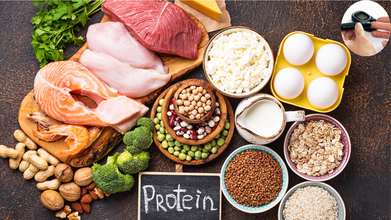
For vegetarians, traditional foods offer excellent options: dals, chickpeas, kidney beans, paneer, curd, soy products, nuts, and seeds. For those who consume non-vegetarian foods, eggs, fish, and lean meats provide high-quality protein.
The simplest strategy is also the most effective: ensure that every meal contains a meaningful source of protein.
A bowl of dal with lunch, a serving of curd with dinner, or an egg at breakfast—these small additions can create a measurable difference over time.
Also read: What Is The Viral ‘Boy Kibble’ Trend?
Beyond Diet: Completing the Picture
Nutrition does not work in isolation. Regular physical activity—particularly resistance exercises—helps preserve and build muscle mass, enhancing insulin sensitivity. Adequate sleep supports hormonal balance. Stress management prevents metabolic disruptions that worsen glycemic control.
Diabetes care is not a single intervention; it is a continuum of daily choices.
Conclusion: Rethinking What We Prioritize
For too long, diabetes management has been framed as a battle against sugar alone. While reducing excess carbohydrates remains important, it is only half the story.
The other half lies in restoring balance. Addressing the protein gap offers a simple, accessible, and powerful tool to stabilize blood sugar, protect muscle health, and reduce long-term complications.
Protein is not just another nutrient on the plate. In the context of diabetes, it is part of the treatment itself.
This Unique Diet Slows Brain Aging By Over 2 Years, Study Says
Credit: Canva
Following the MIND diet may help slow brain aging by more than two years, according to new research.
The MIND diet is a combination of the Mediterranean diet and the DASH diet, both known for their health benefits, but it is specially designed to protect brain function. In a long-term study of over 1,600 adults, researchers found that people whose eating habits closely followed the MIND diet showed less brain shrinkage over time, especially in gray matter, which is crucial for memory, thinking, and decision-making. They also had fewer signs of brain deterioration, such as enlarged ventricles.
On average, those who stuck most closely to the diet had brain changes equivalent to being about 2.5 years younger compared to others.
Brain aging is the natural, progressive process of structural and chemical changes in the brain over time, resulting in typical age-related cognitive decline, such as slower processing speeds, reduced brain volume (atrophy) and memory lapses.
"MIND-recommended foods rich in antioxidants, such as berries, and high-quality protein sources like poultry may reduce oxidative stress and mitigate neuronal damage," write the researchers in their published paper.
This combination diet focuses on foods rich in antioxidants and nutrients that protect brain cells and may help reduce oxidative stress and inflammation, both of which contribute to brain aging. At the same time, it limits unhealthy foods like fried items, red meat and processed foods, which can damage blood vessels and brain tissue.
However, the study does not explain how the MIND diet directly affects the brain and factors like lifestyle, sleep, or genetics may also play a role, according to the scientists.
READ MORE: High Brain Age May Increase Dementia Risk, Study Shows
What is Mediterranean Diet?
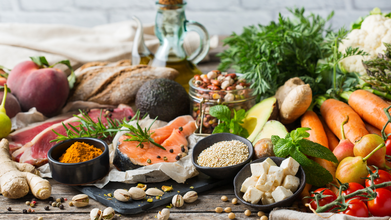
The Mediterranean diet is a plant-focused way of eating, inspired by the traditional diets of Mediterranean countries. It emphasizes fresh fruits and vegetables, whole grains, legumes, nuts, seeds, and olive oil as the main source of fat. The diet includes moderate amounts of fish and dairy while limiting red meat and sweets.
Beyond what’s on the plate, it also encourages lifestyle habits such as regular physical activity and sharing meals with others, which supports social connections and helps reduce stress.
How To Follow a Mediterranean Diet?
Incorporating the Mediterranean diet into your daily routine doesn’t have to be complicated. Start by adding more fresh fruits and vegetables to every meal, swapping refined grains for whole grains, and including nuts, seeds, and legumes as snacks or salad toppings. Use olive oil as your main cooking fat instead of butter or processed oils, and aim to include fish or seafood a few times a week.
Red meat and sweets can be enjoyed occasionally, rather than daily. Beyond food, try to stay active through walking, yoga, or other forms of exercise, and make mealtimes a social experience whenever possible, sharing meals with family or friends to combine nutrition with connection and reduced stress.
Mediterranean Diet Can Also Lower Alzheimer’s Risk by 35%
A long-term study conducted by the Nurses’ Health Study (NHS), which followed female nurses from 1989 to 2023, found that people who closely followed the Mediterranean diet over the years had a significantly lower risk of dementia and better cognitive function.
This protective effect was particularly evident in individuals with varying genetic risk for Alzheimer’s, including carriers of the APOE-e4 gene. Similar findings were also observed in the male Health Professionals Study.
While the Mediterranean diet as a whole was linked to reduced dementia risk, researchers highlighted a few key components that seem to have the most impact: fresh fruits, nuts, and sources of monounsaturated fats, such as olive oil and avocados.
The study indicates that sticking to the Mediterranean diet over the long term may substantially lower the risk of Alzheimer’s, even for those with a genetic predisposition. This diet is packed with fiber, antioxidants, healthy fats, and lean proteins, found in foods like fruits, vegetables, nuts, seeds, legumes, whole grains, seafood, and olive oil. Incorporating more of these foods into your daily meals can be a simple way to support brain health.
Caffeine Can Recover Memory Loss From Lack of Sleep, Study Says

Credit: Canva
While many studies suggest that caffeine may be dangerous for your physical health, a new Neuropsychopharmacology study suggests that it may protect against, and even reverse, memory problems caused by lack of sleep.
In this animal study, scientists at the National University of Singapore have found that sleep-deprived mice struggle to recognize other mice however, mice that were given caffeine for a week before being being sleep-deprived performed much better on tests and did not show the same memory loss.
Additionally, when caffeine was directly applied to brain tissue from sleep-deprived mice, it improved communication between brain cells in this region -- suggesting that caffeine doesn’t just mask tiredness but may also help repair disrupted brain activity.
NUS physiologist Lik-Wei Wong explained: "Sleep deprivation does not just make you tired. It selectively disrupts important memory circuits.
"We found that caffeine can reverse these disruptions at both the molecular and behavioral levels. Its ability to do so suggests that caffeine's benefits may extend beyond simply helping us stay awake."
"Our findings position the CA2 region as a critical hub linking sleep and social memory. This research enhances our understanding towards the biological mechanisms underlying sleep-related cognitive decline. This could inform future approaches to preserving cognitive performance," NSU neuroscientist Sreedharan Sajikumar added.
Based on these results, the study concluded that sleep deprivation increases signaling linked to adenosine, a chemical that promotes sleep but can also weaken memory circuits. But with moderate amounts of intake, caffeine appears to block this effect and help the brain maintain normal function
While the discovery offers a clearer understanding of how sleep, memory and caffeine are connected, the findings are based on mice and more research is needed to confirm if the same benefits apply to humans.
How Much Coffee Should You Consume?
Due to how much caffeine can actually affect one’s body, experts recommend 400 milligrams only per day. That is about four cups, it is also better to consult a doctor about this as caffeine sensitivity is different for people. Some people are more sensitive to caffeine than others.
How you react depends on your health, what medicines you take, and how fast your body processes things. Too much caffeine can cause problems, so it's important to pay attention to how you feel and not go overboard. Here is what happens to your body when you drink too much caffeine daily.
Premature Skin Aging
Caffeine can slow down how your skin makes collagen, which keeps it tight and smooth. Less collagen means more wrinkles, making you look older faster. Cutting back on coffee might help your skin stay younger-looking.
Elevated Blood Pressure
Too much caffeine can make your blood pressure go up. This can be bad for your heart and increase your risk of problems like heart attacks and strokes. It's not clear exactly why, but it's a risk.
Increased Anxiety and Stress
Caffeine can make you feel jittery and anxious. It can also trigger your body's "fight or flight" response, which is like a panic reaction. If you already feel anxious, caffeine can make it much worse.
- Follow Us :


© 2024 Bennett, Coleman & Company Limited