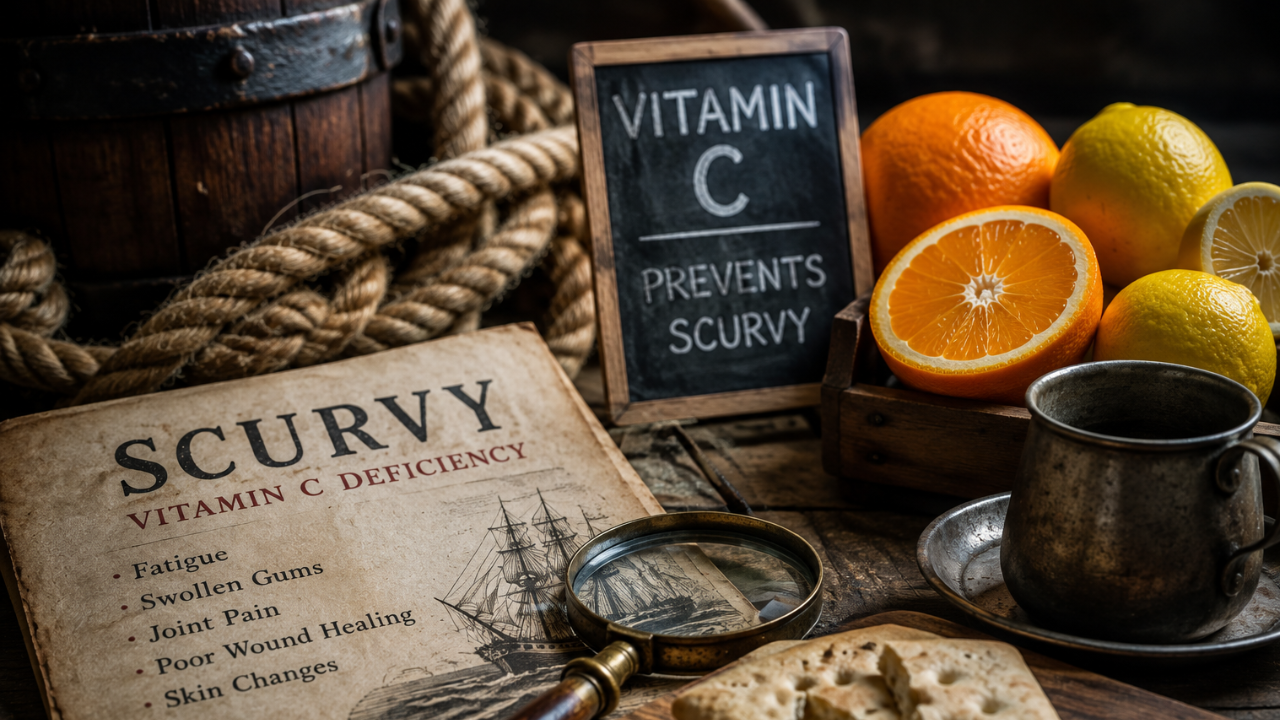
A rare 19th century disease that was once seen in sailors has claimed the life of a six-year-old boy in Queensland, Australia. A severe vitamin C deficiency, which went undetected for a long time, seems to be the reason behind the child's unfortunate death. Connor Dean passed in August 2024 at Queensland Children’s Hospital. Newly released findings from Deputy State Coroner, Stephanie Gallagher, concluded that severe vitamin C deficiency, consistent with scurvy, was the most likely factor in his death that happened following cardiac arrest. The case has drawn attention as scurvy is now considered extremely rare in countries where fresh food is widely available. But it has not disappeared completely. Most Severe Outcome Of Scurvy Scurvy develops when the body does not get enough vitamin C, or ascorbic acid, for a prolonged period. Vitamin C is needed to make collagen, a protein that helps maintain blood vessels, skin, bones, cartilage, and other tissues. When there is a severe deficiency, blood vessels and connective tissues can become fragile, leading to bleeding, inflammation and problems with wound healing. In Connor's case, his symptoms initially did not indicate scurvy clearly. He developed knee pain, limping and a shuffling gait in July 2024. His symptoms were initially thought to possibly be related to a playground injury. Doctors also considered conditions like infection and leukaemia. His health deteriorated further. Doctors observed that he developed a persistent rash, reduced blood flow to the brain, renal problems, multi-organ failure and sepsis. Severe vitamin C deficiency eventually emerged as the condition that could connect many of these symptoms. The coroner found that Connor's death was associated with severe vitamin C deficiency consistent with scurvy. Also read: US Newborns Are Missing A Crucial Vitamin K Shot Which Can Lead To Brain BleedingWhy Was The Child Become Deficient In Vitamin C? According to the coroner, Connor's paediatrician had raised concerns about his growth and nutrition due to his diet. By 2023, he had become a very fussy eater and was avoiding fruits or vegetables completely. His diet was described as containing foods like white bread, beef sausage, custard and chocolate. His mother had also said that he was taking a multivitamin. However, the supplement he was taking was not the one his doctor had specifically recommended. The coroner also found that the product's label did not include vitamin C. Does Scurvy Risk Exist Even Today? Scurvy exists even today even though severe cases are uncommon. A child does not develop scurvy because they refuse to eat fruits and vegetables for a few days. Severe deficiency generally develops after prolonged inadequate vitamin C intake. Children with highly restricted diets are in high-risk groups, especially when their food choices exclude most sources of vitamin C. The risk can also be greater when there are underlying medical or developmental challenges that affect eating. Connor had Down syndrome and a congenital heart condition, along with prolonged concerns about his growth and diet. Also read: UK Flu Jabs Begin For Children And Pregnant Women: What You Need To KnowWhat Are The Warning Signs Of Scurvy? Early symptoms are not specific, which can make the condition difficult to recognise. Possible signs include: Fatigue and weaknessIrritabilityPoor appetiteLeg or joint painSwollen or bleeding gumsEasy bruisingSkin changes or small haemorrhagesPoor wound healingAnaemiaAs deficiency becomes severe, bleeding, tissue damage and serious complications can develop. While modern food availability has made severe vitamin C deficiency uncommon, prolonged restrictive eating can still create serious nutritional gaps.