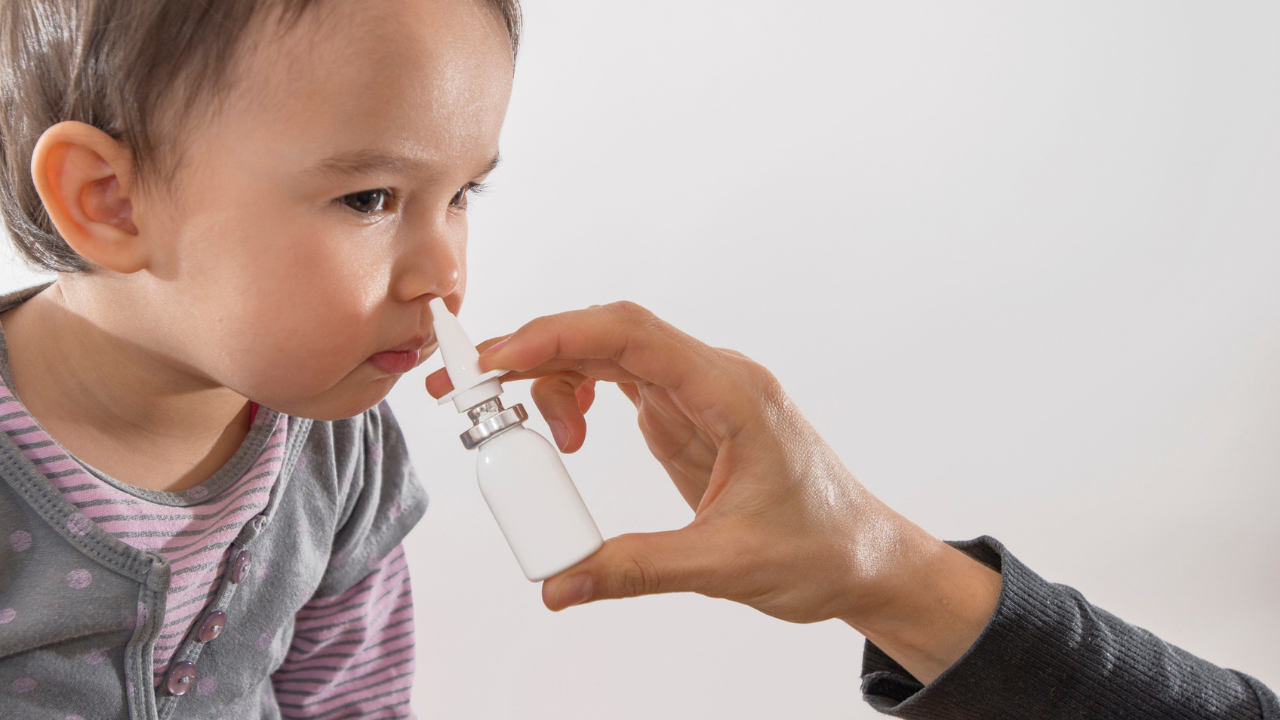
The UK today began the first phase of its flu vaccination program, offering jabs to millions of children and pregnant women ahead of winter.Nearly 19 million people received their flu jab in England last year, helping prevent an estimated 104,000 hospitalizations.Why Do Early Flu Vaccinations Matter?Flu season typically peaks in December and January. Starting vaccinations earlier for children and pregnant women aims to protect those most vulnerable to serious illness and limit the spread of the virus before it circulates more widely.Starting vaccination in September gives children and pregnant women time to build protection before flu begins circulating more widely. As per the NHS, the children’s flu vaccine can take up to 14 days to work.Who Gets the Flu Jab First?Children and pregnant women are among the first groups offered vaccination because they are more vulnerable to serious illness from flu. Most school-aged children will receive their vaccine, via nasal spray, at school.Parents of two- and three-year-olds, as well as children in clinical risk groups, will be invited to arrange vaccination through their GP practice.Pregnant women can receive the flu jab at any stage of pregnancy through their maternity team, GP practice or participating pharmacy.NHS teams are also taking vaccines into local communities, including through high street pharmacies and mobile vans.Why Are Young Children and Pregnant Women More Vulnerable?Flu can be much more serious than a bad cold. Every winter, thousands of children require hospital care because of the virus, while pregnant women also face a higher risk of serious illness.Flu can spread quickly among younger age groups, which means vaccinating children can also help limit transmission to people who may be more vulnerable, including babies, grandparents and pregnant women.Vaccinating pregnant women can also help protect their newborn babies in their first weeks.“Flu can really knock you for six, and for some children and pregnant women it can mean becoming seriously ill or ending up in hospital. Getting vaccinated only takes a few minutes, but it can make a real difference – helping protect you and the people around you from getting seriously unwell,” said Dr Amanda Doyle, National Director for Primary Care and Community Services at NHS England.When Will Other Groups Get Vaccinated?From 1 October, flu vaccinations will be offered to other eligible groups, including:People aged 65 and overAdults with some long-term conditionsCare home residentsCarersClose contacts of people who are immunocompromisedPeople experiencing homelessnessFrontline health and social care workersParents of two- and three-year-olds will also be able to book appointments at participating community pharmacies through the National Booking Service from October.NHS Expands RSV Vaccination ProgramThe NHS’s year-round RSV vaccination program is also expanding from today to include people aged 65 to 74 with a weakened immune system or certain long-term lung conditions.RSV can make babies and adults with long-term lung conditions seriously unwell and increase their risk of hospitalisation.Eligible people can receive the vaccine through their GP practice or, in some areas, a participating pharmacy. Those eligible should expect an invitation from their GP.Pregnant women can also receive RSV, whooping cough and flu vaccines to help protect their newborn babies in their first weeks.“Vaccinations play a vital role in protecting those most at risk from flu and they are also crucial for relieving pressures on our NHS over the winter months,” Secretary of State for Health and Social Care Yvette Cooper said.“Everyone who is eligible for a free vaccination will be notified through their phone or in the post,” Cooper added.