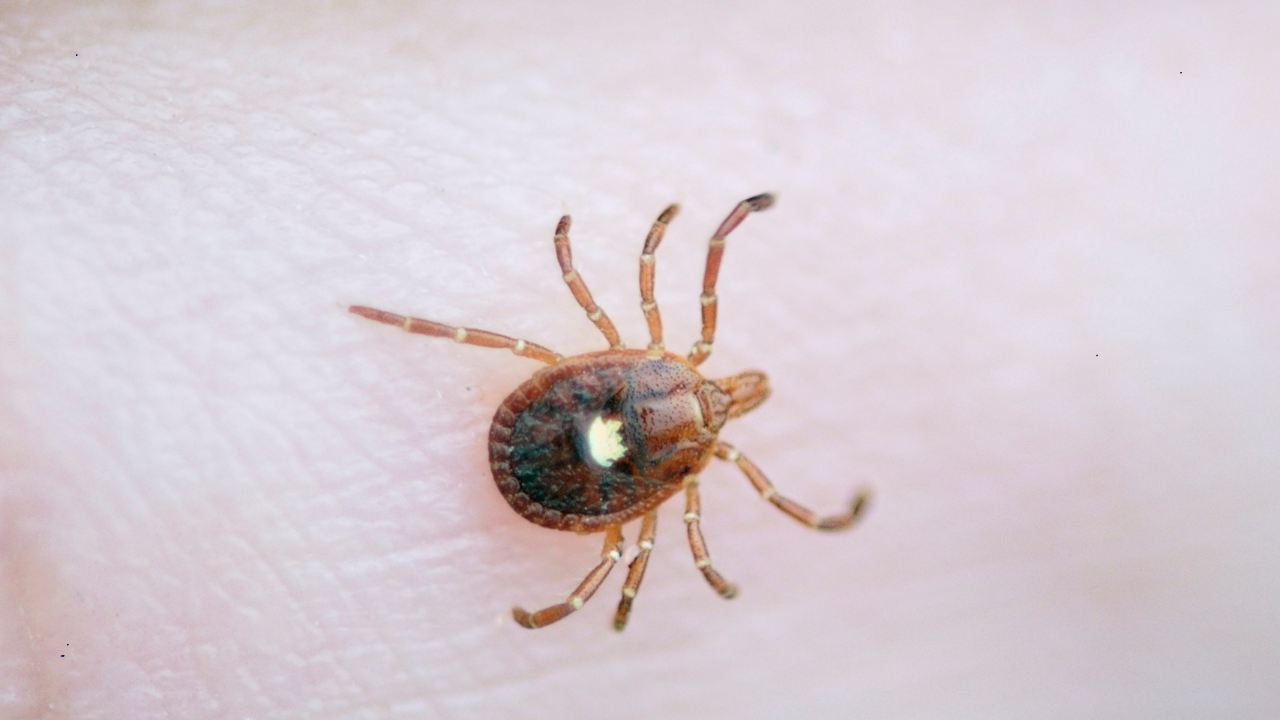
US researchers have identified the first known infection caused by Bourbon virus in a man from New York's Long Island, raising concerns that the rare tick-borne virus may have gone undetected for years.The case, published in the American Journal of Tropical Medicine and Hygiene, suggests that the virus could be circulating more widely in the Long Island region than previously believed.Because Bourbon virus causes symptoms similar to more common tick-borne illnesses, including Lyme disease, experts believe some infections may have been misdiagnosed. What Is the Case?In 2021, 67-year-old Michael Larkin was bitten by two lone star ticks while working outdoors. However, it took about 5 years to get a proper diagnosis.Because his symptoms resembled those of more common tick-borne illnesses, including Lyme disease, doctors initially treated him with antibiotics. However, since antibiotics do not work against viral infections, his condition worsened and he developed fever, rash, night sweats and debilitating headaches.The lack of a commercially available diagnostic test further complicated his diagnosis, making it difficult for physicians to identify the virus during the acute stage of illness.Larkin's illness was confirmed to have been caused by Bourbon virus recently, after he got enrolled in a year-long antibody study, with blood samples collected every three months. "Now we know the virus can be lethal. On Long Island, at least, we have a lot of lone star ticks," Dr. Luis Marcos, who treated Larkin, told CBS News. "And honestly this may be the very, very tip of the iceberg."What Is Bourbon Virus?Bourbon virus is a rare tick-borne virus believed to spread through the bite of infected lone star ticks (Amblyomma americanum).According to the US Centers for Disease Control and Prevention (CDC), cases have previously been reported in parts of the Midwest, East Coast and Southern United States.The virus was first identified in 2014 and was named after Bourbon County, Kansas, where it was initially discovered. There is currently no vaccine to prevent Bourbon virus infection and no specific antiviral treatment.Symptoms of Bourbon VirusPeople infected with Bourbon virus have reported symptoms including:FeverFatigueRashHeadacheMuscle and body achesNausea and vomitingLaboratory findings may also include:Low white blood cell countsLow platelet countsHow Does It Spread?Bourbon virus is believed to spread through the bite of infected lone star ticks. These aggressive ticks are identified by the single white spot—or "lone star"—on the backs of adult females. They are commonly found in wooded areas, brush and tall grass.Lone star ticks are also known to transmit several other diseases, including:EhrlichiosisTularemiaAlpha-gal syndrome (red meat allergy)Because doctors often suspect these more common illnesses following a lone star tick bite, rare infections such as Bourbon virus can easily go undetected.Could More Cases Be Going Undetected?The researchers noted that the Bourbon virus is likely more prevalent than we think in New York and other cases are likely not being diagnosed.Marcos added that the findings highlight the urgent need for improved surveillance, expanded testing and better guidance for healthcare providers."Without identifying the cause of an infection, the chances of developing accurate diagnostic tests or effective treatments are minimal," Marcos said. "That is why it is so important to first understand the true impact of the virus in high-risk areas."How to Prevent The Deadly Infection? Health experts recommend taking the following precautions:Protect yourself from tick bites by avoiding wooded, brushy and grassy areas whenever possible.Stay in the center of hiking trails.Wear long sleeves and long pants outdoors.Treat clothing and gear with 0.5% permethrin.Use EPA-registered insect repellents containing ingredients such as DEET.Check your body, clothing and pets for ticks after spending time outdoors and remove attached ticks promptly.