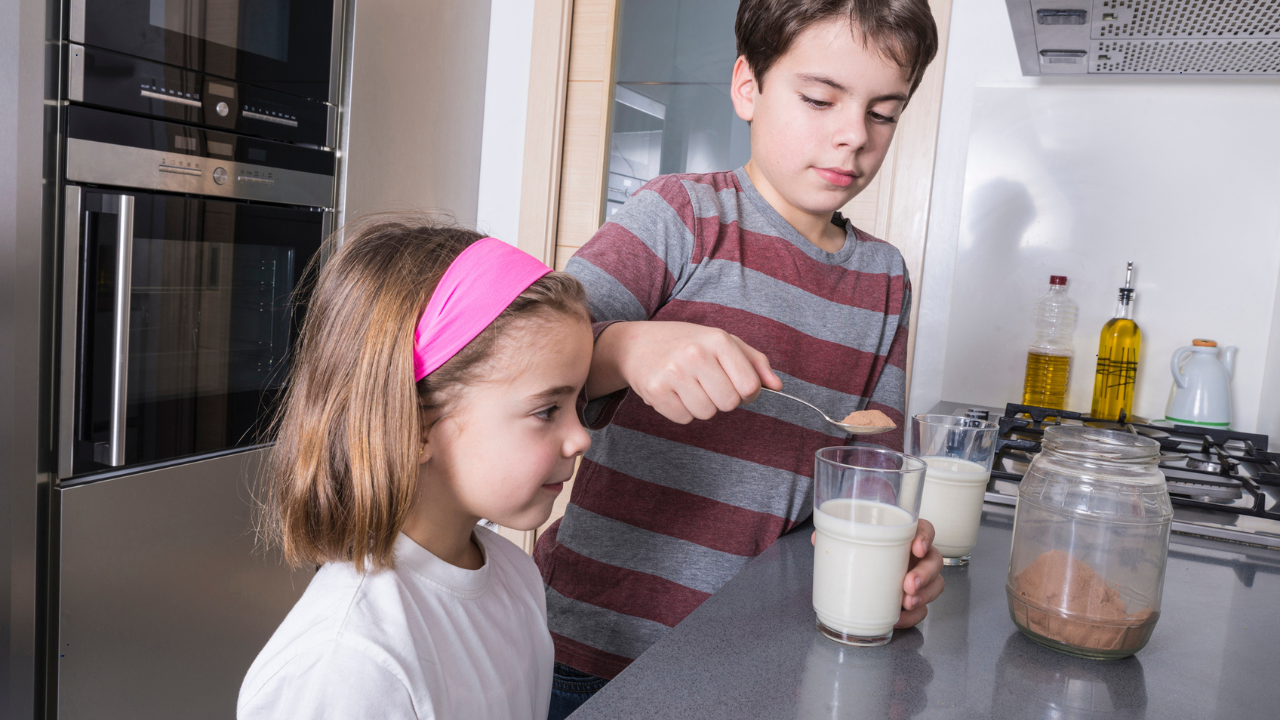
“My child is a picky eater; he hardly eats anything, so should I start giving him a protein shake?” As a pediatric dietitian, I hear this question most often from parents. Be it on the attractive shelves of a supermarket or a post on social media, you will find products that promise your child will be taller, stronger, sharper, and no wonder why parents might feel the fear of missing out!! But here’s the reassuring truth: No, most healthy children don’t need protein powders/ protein biscuits. Before talking about this “trendy” supplement, it is important to understand why protein is important and what its functions are. Why Is Protein Important? Protein is called the building blocks, and rightly so cause it helps build muscles, stronger bones, good skin, hormones, enzymes, and antibodies. Meaning, for good immune function, for growth and development, or be it for tissue repair, we all need protein. However, protein is just a block of this big puzzle; we equally need good carbs and good fats along with it. In fact, good carbs, if included in balanced quantities, help protein do its job; we dietitians call it the “protein-sparing action”. So The Question Arises: Are Children Getting Enough Protein? Interestingly, Yes. Many of the parents assume that their child is getting less protein cause they are skipping/ refusing or eating small portions, but in reality including small portions even plays a big impact, as child requires less protein than adults and some of the rich protein sources like curd, milk, paneer, eggs, dals, lentils, soya products, lean meat, fatty fishes, nuts & dry fruits do provide good amount of protein. Let’s take a 5-year-old for an example; A glass of milk along with nuts in the morning, a bowl of thick dal in lunch, and a serving of paneer/ curd in a regular dinner easily meet their daily requirements without any supplements. Do Protein Powders Make The Children Taller? No, the child drinking protein powder will not decide the baby’s height. It is influenced by several factors like genetics, overall nutrition, good sleep, regular physical activity, etc. So no direct evidence is found that suggests drinking protein powder only will help children gain height. So What About The Child Who’s Into Sports? Most of the time, they also DON’T need the protein powder. Physically active children usually need more energy overall—not just more protein. A balanced diet with nutritious high-protein meals and snacks is enough for the majority of young athletes. Milk after practice, peanut butter on whole-grain bread, boiled eggs, yogurt with fruit and seeds, or homemade sprouts chaat are all excellent recovery foods. Then Who Needs Protein Powders? Children who have been clinically diagnosed with vitamin and mineral deficiencies, or have had some chronic illnesses or surgeries, or have some inborn errors of metabolism will need protein powder. Are There Any Downsides To Protein Powders? Many commercial products marketed for children contain added sugars, flavourings, or ingredients that may not be necessary. Some provide far more protein than a child actually needs, along with high sodium and trans fats. Perhaps the biggest concern is that supplements can create a false sense of security. Parents may feel they've "covered nutrition" with a scoop of powder while the child continues to miss out on the benefits of a balanced diet. Whole foods offer much more than protein. A bowl of dal provides fiber and minerals. Eggs contain choline, which produces acetylcholine- a neurotransmitter necessary for brain development. Dairy products contribute calcium and vitamin B12. Nuts and seeds provide healthy fats like omega-3 and antioxidants. These nutrients work together in ways that a supplement simply cannot mimic. What Can The Parents Do Instead? Include protein in all three major meals: include curd, paneer, 1 bowl of thick dal, a piece of chicken or egg, add flaxseed chutney as a side. Do not panic if the child is eating less on some days; it's okay for the appetite to fluctuate according to their moods. Make protein familiar and fun- make besan cheelas with different chutneys, make roti pizzas with paneer and cheese on top, make paneer paratha.Involve them in cooking; this reduces the chances of picky eating as they feel included in the process. Eat together as a family. In conclusion, always remember that more isn’t always better; as far as the children’s requirements are concerned, they can definitely be fulfilled by adding good, mindful protein options in day-to-day meals. As parents, it's natural to want the very best for your child. The good news is that the best nutrition doesn't usually come from a jar—it comes from a colourful plate, shared family meals, and healthy eating habits built over time. But remember the simple rule: natural food first, supplements only when they are medically needed. (By Payoshini Kulkarni, Nutritionist at Cloudnine Group of Hospitals, Pune)