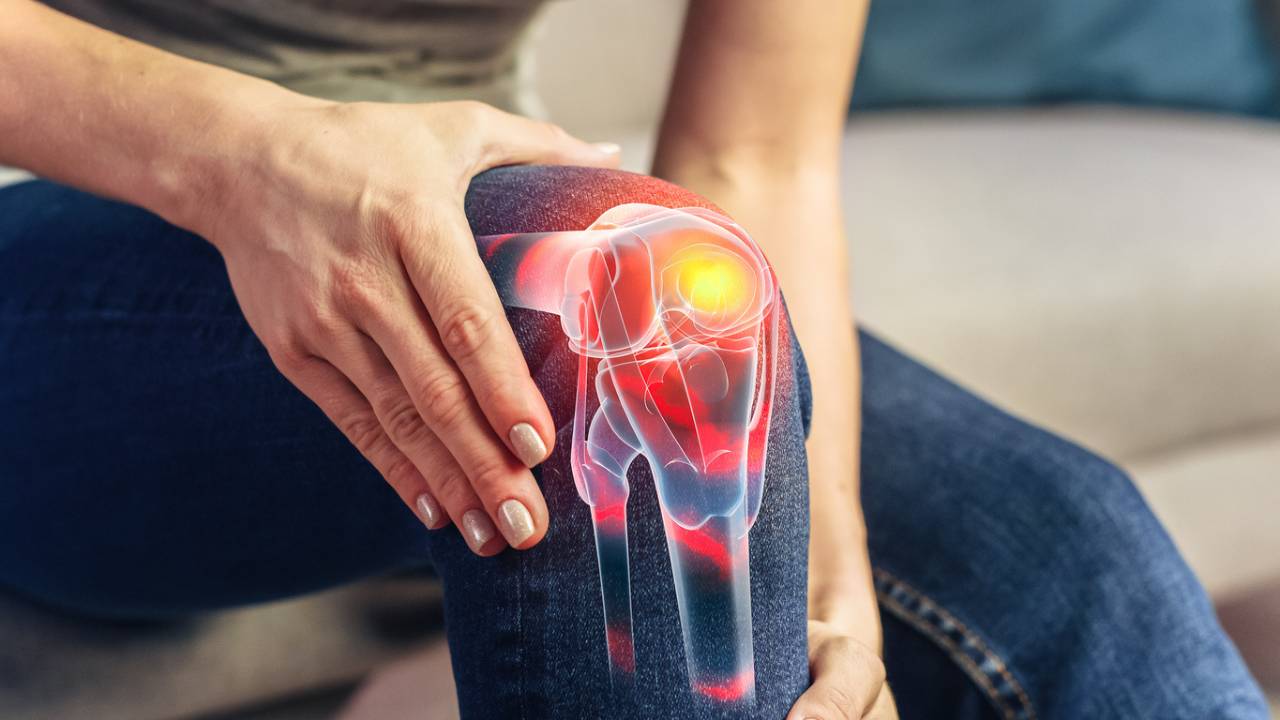
The view generally is that the occurrence of knee issues is usually associated with age, injury or overexertion. However, there is another reason people ignore: lack of movement. If a person leads an inactive lifestyle, spending long hours sitting at a desk, working from the couch, watching TV or doing nothing physical, the eventual consequences for the knees might arise.Knees are created for motion, and motion is essential for keeping the flexibility of a joint. Their effective functioning depends on the health of the muscles surrounding your knee. The less active various leg muscles are, including quadriceps and other counterparts, the weaker they will be. The muscles help stabilize the knee and can relieve it from some of the burdens during daily activities performed by the knees.Remaining seated for an extended time can also lead to stiffness. When you sit for a while, you may feel uncomfortable or stiff in your knees when you finally stand up. While the occasional instance of stiffness may go away with movement, constant stiffness can impact mobility and cause people to wish to move even less.Another issue is gaining weight. Living a sedentary lifestyle causes individuals to become heavier, and excess weight puts more stress on the knees. In time, this added pressure will lead to increased wear of the joints and the development of knee pain and other problems in the musculoskeletal system.The positive aspect with respect to your knees is that you don’t have to put in hours at the gym to keep them safe. Small, steady efforts can easily do the trick. You can choose to walk for five minutes after being seated for a long time, stretch regularly, take stairs if you are physically able and do some simple workouts for the legs and thighs to increase strength. Low-impact sports such as swimming, cycling and walking can help you maintain muscle power and flexible joints while avoiding the stress on your knees resulting from extensive workouts. Persistent pain in the knee, however, cannot be treated as a usual symptom of ageing. Knee swelling or prolonged stiffness, difficulties climbing stairs, instability, or pain that has an impact on routine activities should be addressed by health professionals. Movement is necessary for knees to be strong and flexible. Therefore, if you want your knees to be strong, you need to use them consistently and perform all activities without remaining still for long.(By Dr Sujoy Bhattacharjee, Chairman & Chief, Max Institute of Robotic Joint Replacement, Max Super Speciality Hospital, Saket)