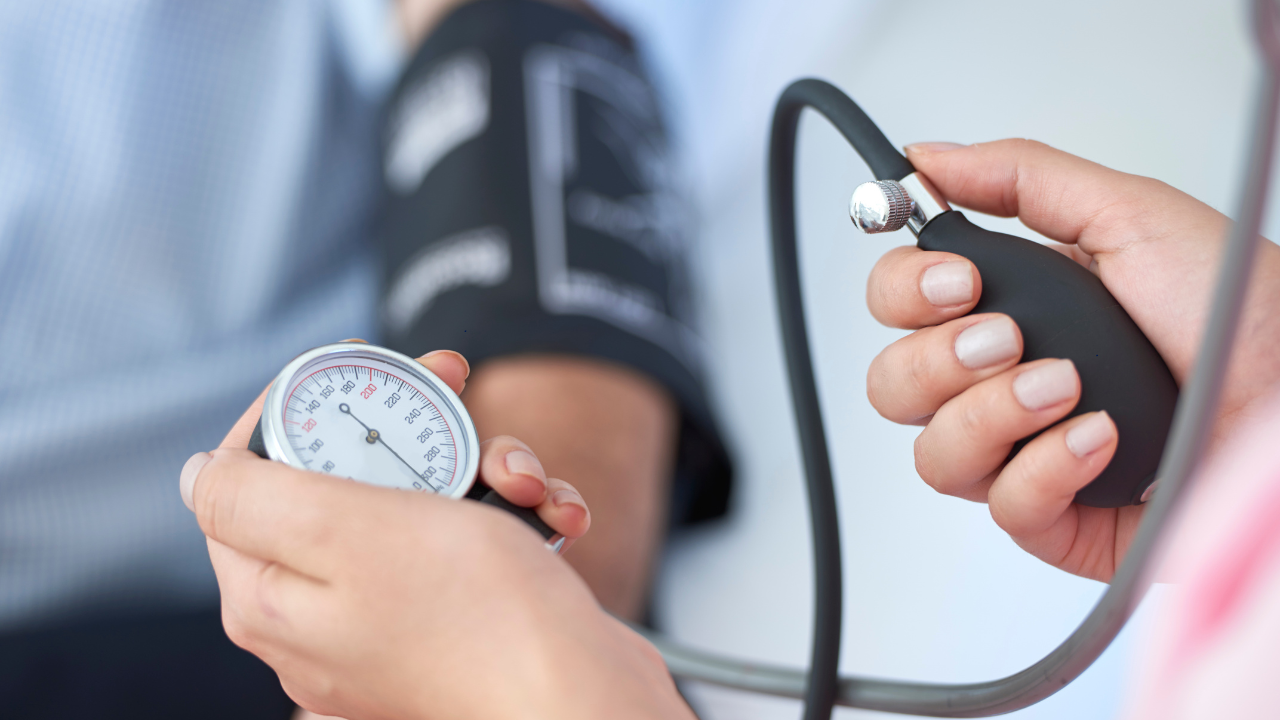
Hypertension or high blood pressure, a major risk for stroke, is preventable and treatable. Yet it accounts for about 14 per cent of cases of stroke among young adults aged below 45 years. High blood pressure can be defined as the increasing pressure in blood vessels marked as 140/90 mmHg or higher. Uncontrolled hypertension can burst or block arteries that supply blood and oxygen to the brain, causing a stroke.A recent study by the Indian Council of Medical Research (ICMR) found that hypertension (74.5 percent) was the most common risk factor for stroke and related deaths (27.8 percent) and significant disability (about 30 per cent) across India. “Blood vessel walls can be damaged through uncontrolled high blood pressure, making them prone to blockage or rupture. The good news is that hypertension is preventable through regular monitoring, reduced intake of salt, exercise stress control, and medication when required,” Dr. Rajul Aggarwal, Director - Neurology, Sri Balaji Action Medical Institute, Delhi, told HealthandMe. How Does Hypertension Increase The Risk Of Stroke? Chronic high pressure forces the brain to compensate, leading to vessel remodeling, narrowing, and eventually rupture or clotting.The ICMR study reported that ischemic stroke accounted for 60 percent of cases.The experts explained that in the case of ischemic stroke, high blood pressure damages artery walls, fostering plaque buildup (atherosclerosis) or allowing clots to form and block blood flow to the brain.On the other hand, with hemorrhagic Stroke, constant strain caused by high blood pressure weakens artery walls, causing them to burst or leak blood into the brain. This can result in severe damage or life-threatening emergencies. “When blood pressure stays high for years, it slowly strains the blood vessels -- nothing dramatic at first, which is why people ignore it. The arteries become stiff and fragile, sometimes narrowing, sometimes tearing,” Dr. Gunjan Shah, Interventional Cardiologist, Narayana Hospital, Ahmedabad, told HealthandMe. "This makes clots or bleeding in the brain more likely, leading to ischemic or hemorrhagic stroke, even in people who otherwise feel perfectly fit and busy with daily life," Dr. Shah added.Importance of the ‘Golden Hour’ In Stroke Care In stroke-related cases, the golden hour -- referred to as the critical first 60 minutes after symptom onset -- is very much critical. Early medical treatment during the window can prevent death risk as well as boost health outcomes.However, the ICMR study, published in the International Journal of Stroke, showed that just 20 percent of patients arrived in the hospital after 24 hours of the onset of symptoms. Dr. Aggarwal said treatment within the first 60 minutes can significantly reduce the brain damage and improve survival as well. “In a stroke, time moves very differently. Brain cells begin getting damaged within minutes when blood flow stops. If someone reaches the hospital quickly -- within the golden hour -- we have a real chance to restore circulation and limit disability. Recognising symptoms early and not waiting at home can truly change how well a person recovers,” added Dr Shah. How Can Hypertension And Stroke Be Prevented? Hypertension is a modifiable disease, and the risks can be reduced by:Cutting down and managing stressChecking blood pressure regularly Treating high blood pressureEating less saltStaying activeManaging stressSleeping properlyAvoiding tobaccoDr Shah said that many young patients delay care because they feel fine, but taking medicines on time and correcting lifestyle early can prevent serious problems later.