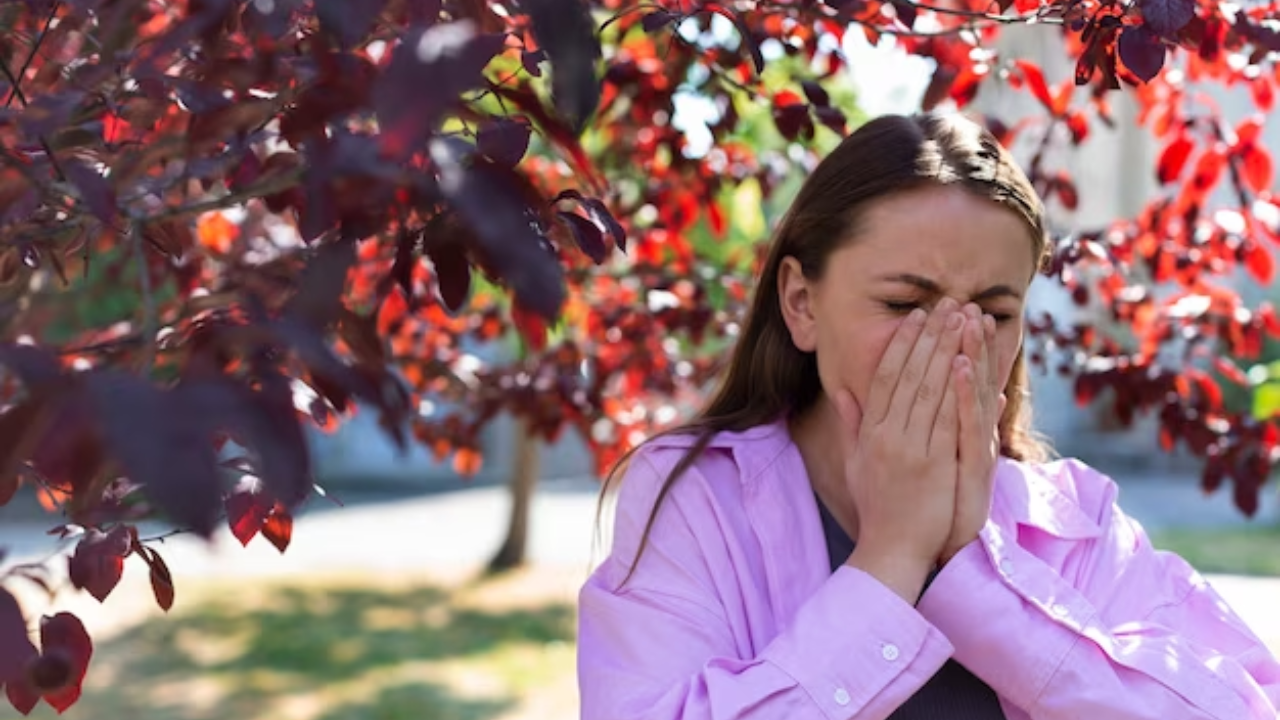
Seasonal allergies, commonly referred to as hay fever or allergic rhinitis, impact millions of individuals globally. Usually, at particular seasons of the year, when specific plant species discharge pollen into the atmosphere, these allergies manifest. While many people have always found seasonal allergies bothersome, new research indicates that for certain people, the allergies may be getting worse. There are several reasons behind this deteriorating pattern.First off, seasonal allergies are significantly exacerbated by climate change. Plants release more pollen for longer periods of time when global temperatures rise. For allergy patients, this prolonged pollen season means more exposure, which intensifies symptoms. Furthermore, rising atmospheric carbon dioxide levels promote plant growth and pollen production, which exacerbates allergic reactions even more.Deforestation and urbanisation inherently worsen allergy symptoms. The variety of plant species declines as cities grow and green areas disappear. Urban environments become more concentrated in certain species, such as ragweed and some grasses, as a result of this decrease in plant diversity. As a result, the concentrations of allergens that people in cities are exposed to are higher, aggravating their symptoms.More concerningly, because air pollution carries pollen, it aggravates seasonal allergies. Pollen grains have the ability to bind to fine particulate matter and contaminants from car emissions, which allows the grains to enter the respiratory system more deeply when inhaled. When pollen and air pollutants mix, allergic reactions become more severe and in vulnerable people, respiratory illnesses like asthma can be triggered.Lifestyle changes may also contribute to the worsening of seasonal allergies. Sedentary lifestyles and increased time spent indoors reduce exposure to outdoor allergens, leading to a phenomenon known as "pollen hygiene." When individuals are less exposed to allergens, their immune systems may overreact upon subsequent exposure, resulting in more severe symptoms.Furthermore, dietary habits can impact allergic responses. A diet high in processed foods and low in fruits and vegetables may weaken the immune system's ability to regulate allergic reactions. Conversely, a balanced diet rich in antioxidants and anti-inflammatory nutrients can help mitigate allergy symptoms by supporting immune function.What’s important to keep in mind is that there are a number of different variables, such as dietary practices, air pollution, urbanisation, climate change, and lifestyle adjustments, that might exacerbate seasonal allergies. People need to be proactive in order to effectively manage their allergies as long as these trends persist. This can entail keeping an eye on pollen counts, avoiding the outdoors at allergy season peak, utilising air purifiers indoors, and leading a healthy lifestyle to boost immunity. Furthermore, in order to create methods to lessen the negative effects of worsening seasonal allergies on public health, continued research into the intricate relationships between environmental factors and allergic responses is essential.