
- Health Conditions A-Z
- Health & Wellness
- Nutrition
- Fitness
- Health News
- Ayurveda
- Videos
- Medicine A-Z
- Parenting
World Cancer Day 2026: India’s 10 Most Common Cancers, Explains Doctor
Credits: Canva
Cancer trends in India are changing rapidly, driven by lifestyle patterns, environmental exposure, infections, and limited access to early healthcare in some regions. According to Dr Puneet Gupta, Chairman of Oncology Services at Asian Hospital, understanding early warning signs and adopting preventive habits can significantly improve survival outcomes.
“Cancer patterns in India are the results of multiple factors ranging from lifestyle, environmental exposure, infections and access to timely care,” Dr Gupta explained, adding that early symptoms can appear months or even years before the disease reaches advanced stages.
Breast Cancer: The Most Common Cancer In Women
Dr Gupta noted that breast cancer is frequently seen in women, especially after the age of 40. He highlighted that the disease often develops silently and without pain.
He explained that warning signs may include lumps in the breast or under the arm, changes in breast shape, skin dimpling, inward turning of the nipple, or unusual discharge. “Do not ignore these changes,” he cautioned. Regular self-examination, along with timely imaging tests such as mammography, ultrasound, or MRI, can help detect breast cancer early.
Cervical Cancer: Strongly Linked To HPV Infection
Cervical cancer mainly affects women between 30 and 60 years. Dr Gupta emphasised that HPV infection remains the leading risk factor. Early symptoms can include abnormal vaginal bleeding, bleeding after intercourse, or persistent pelvic pain, although early stages often remain symptom-free.
He stressed that routine Pap smear screening and HPV vaccination play a crucial role in prevention and early diagnosis.
Lung Cancer: Rising Risk Beyond Smoking
While lung cancer remains more common in men, Dr Gupta pointed out that cases among women are rising as well. Smoking is the primary cause, but exposure to fine particulate air pollution (PM2.5) also contributes to the risk.
He warned that persistent cough, chest pain, breathing difficulty, unexplained weight loss, or coughing blood require immediate medical evaluation, particularly in people with a history of tobacco use.
Oral Cancer: A Major Concern In India
Oral cancer remains widespread due to tobacco, gutka, areca nut consumption, and HPV infection. Dr Gupta explained that long-lasting mouth ulcers, red or white patches inside the mouth, jaw stiffness, or swallowing difficulty are early red flags. Regular dental and oral examinations can help detect early cancerous changes.
Colorectal Cancer: Lifestyle-Linked Risks
According to Dr Gupta, colorectal cancer is increasingly being diagnosed in adults around 40 years of age. Sedentary lifestyles, low-fiber diets, and excessive red meat intake are major contributing factors.
He said symptoms such as blood in stool, persistent bowel habit changes, abdominal pain, or unexplained anaemia should not be overlooked. Early screening and genetic testing in high-risk individuals can significantly improve outcomes.
Stomach Cancer: Often Shows Subtle Symptoms
Dr Gupta explained that stomach cancer may initially present as indigestion, early fullness, nausea, or unexplained weight loss. It is often associated with long-term Helicobacter pylori infection, smoking, and salt-heavy diets. Persistent digestive discomfort warrants medical attention.
Prostate Cancer: Common But Often Slow Growing
Prostate cancer typically affects men above 50 and usually progresses gradually. Dr Gupta noted that difficulty urinating and frequent nighttime urination are common early symptoms. Regular check-ups help detect the disease before complications arise.
Esophageal Cancer: Linked To Lifestyle And Nutrition
Tobacco use, alcohol consumption, poor nutrition, and iron deficiency increase the risk of esophageal cancer. Dr Gupta advised that swallowing difficulty, chest discomfort, or unexplained weight loss should prompt evaluation through tests like endoscopy or barium swallow.
Ovarian Cancer: Often Missed Due To Vague Symptoms
Dr Gupta explained that ovarian cancer frequently goes undetected due to non-specific symptoms such as bloating, abdominal discomfort, or early satiety. Women with persistent symptoms, particularly those with a family history of breast or ovarian cancer, should seek medical evaluation.
Liver Cancer: Screening Is Crucial For High-Risk Groups
Liver cancer often develops in individuals with chronic liver disease. Symptoms such as jaundice, abdominal swelling, or persistent pain usually appear late. Dr Gupta stressed that hepatitis vaccination and screening among high-risk groups are vital for prevention.
Lifestyle Changes And Screening Can Reduce Risk
Dr Gupta emphasized that although cancer cannot be completely prevented, a significant proportion of cases are linked to modifiable risk factors. Avoiding tobacco, maintaining a healthy weight, consuming balanced nutrition, managing stress, and staying physically active can lower risk.
He added that vaccinations against HPV and hepatitis further reduce cancer risk, while regular screening helps detect cancers at pre-cancer or early stages. “Education, prevention and early detection make the difference between late-stage disease and long-term survival,” Dr Gupta concluded.
Cardiovascular Diseases Lead As India’s Top Killer: US Cardiologist Points Out Risk Factors
Credit: NYU Langone/iStock
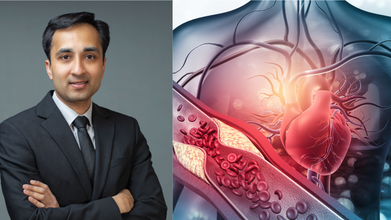
Indians are facing an increasing burden of heart diseases, and mortality is rising faster compared to other countries. A top US cardiologist has now shared the major risk factors that range from genetics to obesity to pollution.
Cardiovascular diseases (CVDs) cause nearly 31 per cent of all deaths in India, according to the latest Sample Registration Survey (SRS) 2021-2023 data from the Registrar General of India, released in September 2025.
The SRS report highlighted cardiovascular diseases as the leading cause of death, especially among adults over 30.
Speaking exclusively to HealthandMe, Dr. Sripal Bangalore, Professor of Medicine at New York University School of Medicine, highlighted the key reasons why India is seeing a huge burden of heart diseases.
"I think it’s a combination of traditional and non-traditional risk factors. Globally, we are seeing the burden of obesity increasing, and specifically in India, genetic factors and non-traditional risk factors also play a role," Dr. Sripal said.
"There is a growing investigation into lipoprotein(a) and other causes of cardiovascular disease (in India). Obesity is a major risk factor, and I’m sure stress and pollution also add to it, with more and more data supporting these links," he added.
Data from the World Heart Federation showed that heart disease kills 28.6 lakh Indians every year. In the recent past, India has also been seeing a significantly higher rate of heart attacks and related deaths, even in children as young as 12 years old.
Also read: AHA’s New Dyslipidemia Guidelines Stress Early Screening, Lifestyle Management
What Factors Are Driving This Trend
"I think we need to know that part of it tends to be non-traditional, because in the Western world most of it is explainable by traditional risk factors like hypertension, diabetes, and hypercholesterolemia," Dr. Sripal said.
"What we see in India is that it is less about those risk factors, but more about non-traditional ones, including potentially genetic factors and lipoprotein(a)," the doctor added.
The Indian-origin interventional cardiologist also cited lifestyle factors such as stress and pollution that are significantly adding to the increased risk of cardiovascular events in the country.
AHA 2026 Cholesterol Guidelines: Relevance For India
Recently, the American Heart Association (AHA) released cholesterol guidelines, which stressed the importance of early screening, starting with teenagers.
The guidelines call for early intervention through early screening and healthy lifestyle changes, starting from childhood.
It recommends:
- Children (9-11 years): Cholesterol screening if never done before.
- Adults (30-79 years): Evaluate 10- and 30-year ASCVD risk to determine the need for early intervention
"India is a good example where LDL levels (bad cholesterol) may not be very high, like in the Western world. Many times, HDL cholesterol (good cholesterol) tends to be lower, and there are other risk factors, including lipoprotein(a), which seems to be elevated here," Dr. Sripal said.
How To Improve Heart Health
The doctor also explained whether overall diet quality matters more than just cholesterol intake.
"Diet adds to the totality of everything that we do, including increasing the risk of obesity. Cholesterol may explain some part of it, but having a heart-healthy diet is critically important," Dr. Sripal said.
The cardiologist highlighted the need to increase the intake of fruits and vegetables, as consuming natural foods is critically important.
Importantly, he also emphasized at least making sure that you have a lipid panel to check your cholesterol levels.
"We are assuming that you are staying healthy and not smoking. Checking blood pressure, it depends on your age, but at least once a year, checking your lipid panel would be critically important," Dr. Sripal told HealthandMe.
As a cardiologist, he shared that to boost heart health, the key is
- to make sure that you lead a healthy lifestyle,
- stay away from smoking,
- increase physical activity,
- reduce stress.
"Pollution is one factor, and I think we can all do our part to make sure that we don’t contribute more to environmental pollution," he noted.
Study Shows Single-use Plastics Still Rampant In India: How It Can Affect Your Health?

Credit: Toxic Link
While India’s Ministry of Environment, Forest, and Climate Change (MoEFCC) enforced a nationwide ban on identified single-use plastic (SUP) items from July 1, 2022, a new survey showed that violations continue to persist across major cities in the country, raising significant health and environmental risks.
The survey of 560 locations by Toxics Link -- an Indian environmental research and advocacy organization -- showed that 84 percent of sites across Delhi, Mumbai, Guwahati, and Bhubaneswar still use or sell banned plastic items.
Bhubaneswar recorded the highest availability of banned SUPs at 89 percent of survey locations, followed by Delhi at 86 percent, Mumbai at 85 percent, and Guwahati at 76 percent.
The survey noted that high use among street food vendors, juice shops, coconut water sellers, vegetable vendors, and ice cream parlours.
"The continued presence of banned plastic items in a majority of locations suggests that enforcement remains inconsistent,” said Ravi Agarwal, Director of Toxics Link.
“Unless implementation improves and the supply of these products is controlled, the ban will not effectively address plastic littering and pollution,” he added.
How Plastics Can Harm Your Body
Plastic carry bags, disposable plastic cutlery, cups, plates, and straws often contain chemicals like BPA and phthalates, which can interfere with the body’s hormonal balance.
BPA is an industrial chemical used to make certain plastics and resins, and its exposure has been linked to several health conditions, including an increased risk of high blood pressure.
Phthalates, another group of chemicals used to make plastics more flexible, have been found to disrupt the endocrine system, leading to potential health issues.
Also read: Your Kids’ Fast-fashion Clothing May Be Laced With High Levels of Toxic Lead
Studies have proven that BPA and phthalates can mimic the body’s hormones, particularly estrogen. This interference can disrupt the normal functioning of the cardiovascular system, leading to increased blood pressure.
Plastics also contain some highly toxic chemicals, such as flame retardants, per- and polyfluoroalkyl substances (PFAS), that can migrate into the environment and into human bodies.
According to a report by WWF, an average person could be ingesting approximately 5 grams of plastic every week.
Scientific studies have proven that the health effects of plastics include cancer or changing hormone activity (known as endocrine disruption), which can lead to reproductive, growth, and cognitive impairment.
Recent evidence also indicates that humans constantly inhale and ingest microplastics through contaminated seafood, including fish and shellfish.
In addition, microplastics have been found in tap water, bottled water, and even commonly consumed beverages, such as beer and salt.
How to Reduce the Disease Risks?
The UNDP urges individuals, organizations, and governments to work together to
- manage plastic waste,
- reduce plastic usage,
- transition to a more sustainable and resilient environment.
Other options include
- Opting for BPA-free and phthalate-free options
- Switching to reusable water bottles, plates, and cutlery made from glass, stainless steel, or other safe materials can significantly reduce exposure to harmful chemicals.
- Avoid exposing plastic bottles or lunch boxes to high temperatures, as heat can accelerate the leaching of chemicals into the water.
HIV No Longer Barrier To Organ Transplants, Say Delhi Doctors After Successful Kidney Surgery

Credit: Canva
While a weakened immune system and fear of complications once denied people with HIV access to organ transplants, doctors at a Delhi hospital have now challenged the idea with a successful kidney transplant surgery on a 43-year-old HIV-positive patient from Ethiopia.
According to the team of doctors from the Max Super Speciality Hospital, Patparganj, who successfully performed the complex living donor kidney transplant, advancements in antiretroviral therapy and transplant protocols have made such procedures increasingly safe in carefully selected cases.
“HIV is no longer a barrier to organ transplantation when managed appropriately,” said Dr. Ravi Kumar Singh, Senior Consultant, Nephrology and Transplant Physician at Max Hospital, Patparganj.
“With strict selection criteria and coordinated multidisciplinary care, patients with well-controlled HIV can achieve outcomes comparable to the general transplant population.”
Also read: India Identifies 219 Districts As Priority For Intensified HIV/AIDS Interventions
Kidney Transplant In HIV Positive Patient
The patient, who had been living with HIV for 10 years, developed end-stage renal disease 3 years ago and has been dependent on regular dialysis since then.
Before the surgery, the patient underwent extensive evaluation to ensure optimal control of HIV, including a stable immune profile and undetectable viral load.
The patient’s 33-year-old wife donated one of her kidneys. Compatibility testing confirmed matching blood groups and a negative cross-match, enabling the team to proceed with the transplant.
“Kidney transplantation in patients with HIV requires a highly meticulous and coordinated approach, given the complexities of balancing immunosuppression with ongoing antiretroviral therapy,” said Dr. Paresh Jain, Senior Director, Urology, Robotic Surgery & Renal Transplant.
“In this case, careful pre-transplant evaluation, precise surgical execution, and close post-operative monitoring were critical to ensuring a successful outcome. This procedure reflects how advances in transplant science and surgical expertise are enabling us to safely expand access to life-saving transplants for patients who were once considered high-risk,” he added.
Following the transplant, the patient has shown encouraging recovery, has been taken off dialysis, and is gradually returning to normal daily activities, the doctors said. The patient also continues on a carefully monitored regimen of immunosuppressive and antiretroviral therapy, they added.
Also read: India's Silent Crisis: Why We Must Embrace Deceased Donor Organ Transplantation
Can People With HIV Get A Transplant?
With advancements in antiretroviral therapy (ART), enabling people to live longer, HIV has now become a chronic, manageable condition. However, the HIV positive patients are now more likely to die from end-stage organ disease than from AIDS-related infections.
As per the US National Institutes of Health, people with HIV can successfully donate or receive transplanted organs with reasonable success rates.
However, health care providers must consider and monitor potential drug interactions, kidney and liver function, and HIV viral suppression in people with HIV receiving a transplant.
Further, the NIH advised HIV positive patients to continue taking all prescribed HIV medicines before and after transplant.
- Follow Us :


© 2024 Bennett, Coleman & Company Limited