
- Health Conditions A-Z
- Health & Wellness
- Nutrition
- Fitness
- Health News
- Ayurveda
- Videos
- Medicine A-Z
- Parenting
6 Foods That Helps You With Muscle Recovery

Credits: Canva
When you lift heavy or workout, you feel like your muscles have been strained, this is because before you muscles are build, there are small muscle ruptures. More than exercise, what matters is what you eat to help you muscles recover. The process is called hypertrophy, when intentional, controlled micro-tears caused by resistance training trigger the body to repair and strengthen muscle fibers. This process requires a specific cycle of damage, rest, and nutrition to be effective.
University of North Carolina Health Wellness Services manager and a certified personal trainer Kathy DeBlasio also explains, "You make microtears in your muscles when you work them. As you heal, you gain muscle and strength." She explains that these tiny tears cause you to feel pain, but they heal within 24 to 48 hours. What matters the most is your diet. There are different foods that help you recover your muscles. Here is a list of 6 foods for you to consume for muscle recovery.
Chicken
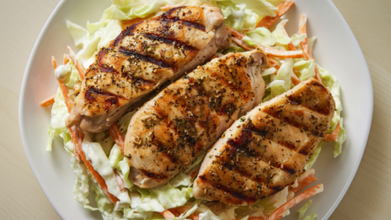
Duke Health notes that chicken breast is a lean source of high-quality protein essential for repairing and building muscles. It is also rich in amino acids, especially leucine, which is important for muscle synthesis. A 2024 study in Physiological Reports, noted that chicken intake, combined with resistance training on muscle mass has helped improve strength and muscle mass of elderly women.
Cottage Cheese

Registered dietitian Maddie Pasquariello, RD told Paloton, “Cottage cheese can be a very nutritious addition to your diet from both a macro- and micronutrient standpoint." Pasquariello explained that half-cup serving of full-fat cottage cheese packs around 13 grams of protein. It helps as a building block of muscles, bones, cartilage, skin, hair, and nails. It also helps build and repair tissue. It oxygenates red blood cells to nourish your body with nutrients, helps regulate hormones, supports the production of enzymes used to digest food and create new cells. It also helps in repairing and building muscles.
Potatoes
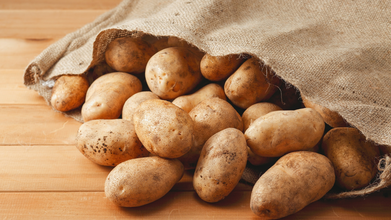
A 2022 study published in the journal Medicine & Science in Sports & Exercise (MSSE) notes that that potatoes contain a 1.5 per cent protein based on their based on their fresh weight. However, when potatoes are used for starch extraction, a residue remains, that can be used to extract potato protein. Ingestion of 30 g potato protein concentrate increases muscle protein synthesis rates both at rest and during recovery from exercise.
Read: 14 Drinks Or More A Week Could Increase You Risk Of Colon Cancer By 25%
Pomegranate Juice
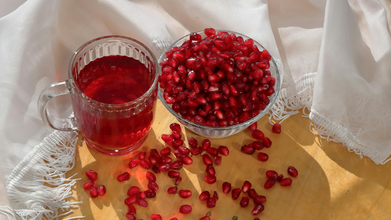
A 2016 study published in PLOS One notes that pomegranate supplementation accelerates recovery of muscle damage and soreness and inflammatory markers after a weightlifting training session. The study notes: "optimal dose of pomegranate supplementation, showed that either once-daily or twice-daily dietary pomegranate juice supplementation improves strength recovery of both leg and arm muscles after an unaccustomed eccentric exercise."
Eggs
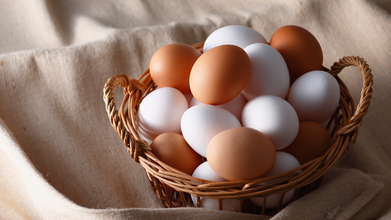
Natalie Rizzo, MS, RD, a registered dietitian, specializing in sports writes: "Eggs have a unique nutrition profile that is great for athletes of all ages. While they make a nice addition to any meal of the day, the nutrients in eggs can help with recovery after exercise."
Fatty Fish
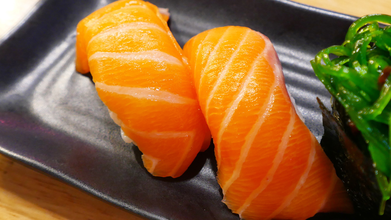
A 2024 study published in Clinical Nutrition ESPEN notes that omega-3 fatty acids in fatty fish could help increase muscle strength, however it does not increase in muscular mass. The study notes: "The interventions of omega-3 fatty acids supplementation and resistance training show promise as a countermeasure against muscular dysfunction."
The 4 Foods You Should Eat To Boost Collagen

Boost Collagen With These Superfoods (Photos: Canva)
Collagen is essential for maintaining firm skin, prevent premature aging and regulates cell proliferation. While it is usually found in animal sources, many fruits and super foods acts rich sources.
Why Does Collagen Fall as You Age?
Collagen production begins to decline in mid 20’s and falls to very low levels when you reach menopause. This occurs due to the nature process of ageing, because of which cells responsible for producing collagen become less active. Factors like sun exposure, smoking and stress can make it worse.Here are natural collagen rich superfoods, you can consume:
Vitamin C Rich Fruits Guava, Amla, and kiwi help stimulate collagen supporting skin repair and hydration.
Strawberries are rich in polyphenols, reducing oxidative stress, while oranges provide hydration and vitamin for rebuilding the skin. These fruits are catalysts essential for youthful and resilient skin.
Meats
Items such as bone broth, stock and chicken are rich in collagen. Fish offers omega 3, Omega reduces inflammation and prevents against chronic diseases. Egg whites contain proline and glycerin crucial amino acids which are organic compounds essential for building proteins and hormones in the body.Leafy Greens and Nuts
Spinach provides magnesium and antioxidants that preserve collagen. Nuts such as cashews and almonds rich in Vitamin E. Furthermore, pumpkin and flax seeds are crucial for maintain collagen stability.Supplements
Collagen is the perfect ingredient for glowing skin and it is all over the internet–coffee, Collagen is added to coffee by mixing peptides which dissolve easily in hot liquid and powders that give comparatively quicker results. Type 1 Collagen is usually considered the best for skin.
This Cheap Alternative to Blueberries Can Help Your Heart
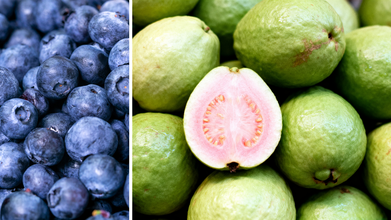
Guavas Better Than Blueberries (Photos: Canva)
Tiny but mighty, eating blueberries not only gives you a sweet taste but also can be extremely beneficial for your entire body.
Extremely rich in antioxidants called anthocyanins, they help with slowing down brain aging. Along with this, the fruit also helps regulates blood pressure and cholesterol levels, overall improving cardiovascular health.
Although they might sound beneficial, they are pricey and inaccessible to a majority of the public.
However, experts have now revealed that guava can provide the body with more benefits than blueberries at half the price.
Why Is Guava Better Than Blueberries?Guavas are living proof that appearances are deceptive. Packed with nearly five times more Vitamin C (about 228mg) and loaded with digestive fibers, this winter fruit is perfectly suited for everyday snacking.
According to Healthline, a single guava can fulfill 12 percent of your recommended daily intake of fiber. A 2025 overview by PubMed also shows that guava leaves have been researched for managing blood sugar levels.
Guavas contain soluble fibers which slow down the digestion and absorption of sugars, preventing sudden spikes in glucose levels. Previous research also shows that regular consumption can help improve insulin sensitivity and lipid profiles, benefiting metabolic health.
With significantly higher Vitamin C content than blueberries, this fruit supports collagen production and gives you brighter skin and protection against premature aging.
Which Other Fruits Are Rich in Antioxidants?
You might not have noticed that some fruits lying unwanted in your fridge might just be hidden gems: jamun, amla and pomegranates are also brimming with antioxidants that can support immunity and overall heart health.While cranberries support urinary tract health by preventing bacterial adhesion and reducing inflammation, strawberries are rich in Vitamin C and folate and help with blood sugar regulation which can help stabilize glucose levels.
After all the environmental damage and aging that you have caused your skin, it deserves the utmost care and protection to rebuild and glow.
While blueberries have been linked to improving skin texture, goji berries are far rich in flavonoids that can neutralize free radicals, boost collagen and protect against UV damage.
Blackberries and raspberries are excellent sources that reduce oxidative stress and inflammation.
Experts recommend incorporating a mix of these fruits in your diet to help repair your DNA, reduce inflammation and prevent chronic conditions.
14 Drinks Or More A Week Could Increase You Risk Of Colon Cancer By 25%

Credits: Canva
If you drink 14 drinks per week, the American Cancer Society's peer-reviewed journal Cancer, noted that you have a 25% higher risk of developing colorectal cancer. This also means that you have a 95% higher risk of developing rectal cancer as compared to those who drink an average of one drink per week.
Moderate alcohol intake is measured as seven or less drinks per week, which is associated with a lower risk. However, experts have time and again stressed that there is no safe limit of drinking.
"While the data on former drinkers were sparse, we were encouraged to see that their risk may return to that of the light drinkers,” co–senior author Erikka Loftfield of the National Institutes of Health's National Cancer Institute said in a news release.
What the Study Found
The findings come from an analysis of U.S. adults who took part in the National Cancer Institute’s Prostate, Lung, Colorectal and Ovarian Cancer Screening Trial. Researchers tracked 88,092 participants over a 20 year period and identified 1,679 cases of colorectal cancer during that time.
The data showed a clear pattern. Higher lifetime alcohol consumption was linked to a higher risk of colorectal cancer, with the strongest association seen for rectal cancer. However, the study also offered encouraging news. People who stopped drinking saw their risk decline, highlighting that lifestyle changes can still make a difference later in life.
Read: Drinking Alcohol Could Damage Your DNA, Not Just Your Liver Or Heart
Colorectal Cancer Is Rising in Younger Adults
These findings come at a time of growing concern about colorectal cancer rates, especially among younger people. Earlier this month, the American Cancer Society reported that colorectal cancer has become the leading cause of cancer-related deaths among people under 50 in the United States.
Dr. Ahmedin Jemal, senior author of the report and senior vice president of surveillance, prevention and health services research at the American Cancer Society, said the trend is alarming. He noted that the speed at which colorectal cancer rates have risen among younger adults means it can no longer be considered a disease that only affects older people.
Also Read: Diljit Dosanjh Swears By This Green Juice to Power His 4am to 9pm Routine
Changing Guidance on Alcohol Consumption
Federal health guidance around alcohol has also shifted. Instead of specifying how many drinks are considered safe, the latest dietary guidelines advise Americans to drink less overall. People with certain health conditions are encouraged to avoid alcohol entirely.
Christopher Kahler, director of the Center for Alcohol and Addiction Studies at Brown University, has previously explained that no amount of drinking is completely risk-free. According to him, health risks increase with higher consumption, which is why current guidelines focus on reducing intake rather than defining a safe threshold.
What This Means for Individuals
Taken together, the research reinforces a simple message. Heavy drinking raises cancer risk, drinking less is better for health, and stopping alcohol use can help lower the chances of developing colorectal cancer. With rates rising in younger adults, experts say awareness and prevention efforts are more important than ever.
- Follow Us :


© 2024 Bennett, Coleman & Company Limited