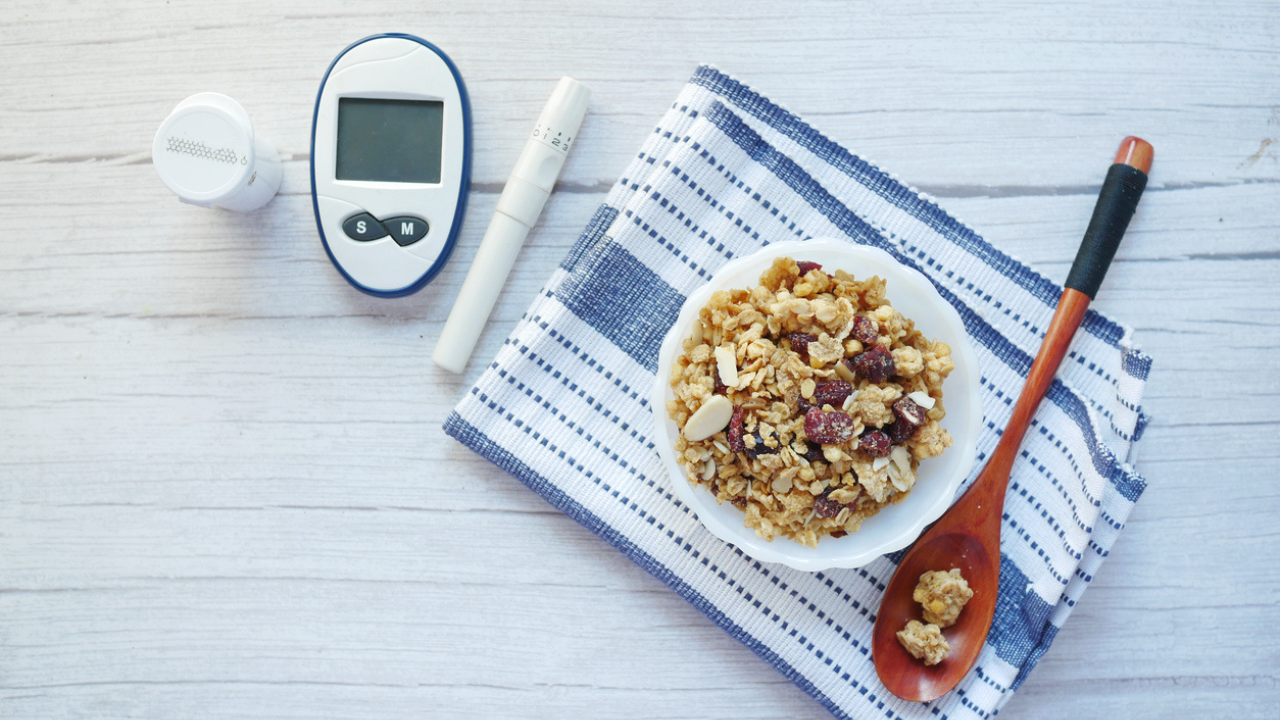
Many people think that controlling blood sugar is just about avoiding sugary foods or cutting back on carbohydrates. Sure, what you eat is important but so is when you eat, especially if you have diabetes, prediabetes or insulin resistance.Why Morning May Be A Better Time To Eat Your body has an internal clock called the circadian rhythm. And, this impacts your sleep, digestion, hormone release and how your body metabolises energy. The stomach, intestine, liver, pancreas, muscles and fat tissue all work in coordination with this rhythm. In simple terms, the body is generally more prepared to digest and use food during the earlier part of the day. Hormones also follow a daily pattern. Cortisol, for instance, is naturally more active in the morning, while growth hormone has greater activity at night and in the early hours of the day. Since the body is metabolically more active in the morning, it is often able to handle glucose and protein more efficiently at this time. This is why having a balanced breakfast at a reasonable time, preferably before 9 am where possible, can be helpful for glycaemic control. It does not mean that breakfast has to be large or heavy. It means that the first meal of the day should be nutritious and should not be delayed unnecessarily.Also read: Why Sustainable Weight Loss Requires More Than Cutting Calories?How Skipping Breakfast Can Affect Blood Sugar Eating early also prevents the long gap without food that can lead to tiredness, excessive hunger and overeating later in the day. By not eating breakfast, a person may be starving by lunchtime and may eat larger portions or foods high in refined carbohydrates. It can cause larger fluctuations in blood sugar. Those with diabetes who are on insulin or other glucose-lowering medications in particular should eat regular meals. Skipping or delaying food can sometimes lead to hypoglycaemia, or low blood sugar. So, this may cause sweating, shakiness, dizziness, weakness or sudden hunger. In response, a person may overeat, which can then lead to a sharp rise in blood sugar and make overall control more difficult.Also read: Study Links Lower Protein Intake To Healthy Ageing; Expert Explains Who Should & Shouldn't Cut BackShould Dinner Be Your Lightest Meal? The old saying, “Eat breakfast like a king, lunch like a prince and dinner like a pauper,” still has relevance. It does not mean overeating at breakfast. Rather, it reminds us not to make dinner the heaviest meal of the day, especially when it is eaten late. A good breakfast can include protein, fibre and a moderate amount of carbohydrates. Eggs, curd, paneer, dal, sprouts, vegetables, nuts and whole grains are practical options. Timely eating, along with balanced meals, regular activity, prescribed medicines and medical follow up, can go a long way in improving blood sugar control.