
- Health Conditions A-Z
- Health & Wellness
- Nutrition
- Fitness
- Health News
- Ayurveda
- Videos
- Medicine A-Z
- Parenting
What Happens To Your Body If You Eat Bananas Everyday

Bananas (Credit: Canva)
Bananas are a popular go-to snack. The reason? They are versatile, nutrient-dense and also easily available. However, they are also equally criticised for their high sugar content. But it is advisable to eat them daily? If so, then how many?
Here's What Happens To You Body If You Eat Bananas Everyday
Bananas are a good source of carbohydrates, which are the main sources of energy for the body. They are also rich in B vitamins, like vitamins B3, B6 and B12, which help the body release energy in the carbs that a person consumes. For best results, bananas should be paired with healthy fats and/or protein. This is because carbohydrates digest more quickly than protein or fat, so when eaten alone, they can send your blood sugar soaring—and subsequently crashing.Bananas are heavy fruits and eating them regularly can make a person feel full for a longer period. This means that they are less likely to have cravings or indulge in unhealthy foods in between meals.
They also increase your fibre intake and thereby, aid weight loss. A 2023 research published in Frontiers in Nutrition showed that increasing your fibre by consuming more fruits and vegetables was associated with greater weight loss success.
Every medium-sized banana has about 3 g of fibre each. They also have a dietary fibre called resistant starch, which acts as a prebiotic and gives you beneficial gut bacteria to nosh on.
Bananas can also save you from chronic heart disease. These fruits are known for being a great source of potassium, with one medium banana coming in at 422 milligrams. That's 9% of your daily recommended intake, per the Federal Drug Association (FDA). Potassium is very important for normal cell function. But more importantly, it reduces blood pressure.
A lesser-known fact about bananas is that they are rich in compounds that have antioxidant properties, according to 2022 research in the International Journal of Food Properties. Having more anti-oxidants can lessen the inflammation and damage to body tissues.
How Many Bananas Should You Have In A Day?
While there is no particular rule which regulates the number of bananas one should eat every day, experts advise sticking to one or two bananas every day. It is important to remember that these fruits are relatively high in carbohydrates, so eating them along with protein or fat is also advisable to support stable energy levels. Notably, people with kidney issues should refrain from consuming too many bananas as they are high in potassium.
An Oncologist's Food Guide To Lower Your Risk Of Colorectal Cancer
Credits: Canva
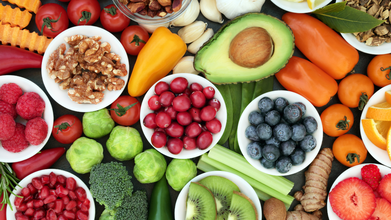
Colorectal cancer impacts around 1.9 million people every year, noted the World Health Organization (WHO) as per its 2022 data. However, your diet could in fact help you reduce your chances of getting colorectal cancer. Dr Andy Gaya, a consultant clinical oncologist at the Cornwall Hospital in London writes for The Telegraph, UK, and has come up with a food guide that could reduce one's risk of colon cancer.
Home Cooked Foods Over Instant Meals
Dr Gaya points out that ultra-processed foods are high in sugar, salt, and saturated fat. These food are also low in fiber, so if you eat a lot of it, you would get obese, which could lead to cancer, including bowel cancer. As, studies often link obesity with cancer. Furthermore, the chemicals in these foods, whether the preservatives or additives and artificial sweeteners could increase your risk of cancer, as many tests have shown that they contain carcinogens.
Also Read: Mattel Launches First-Ever Barbie With Autism
Swipe Your White Sliced Bread For Wholemeal
Doctor points out that eating more fiber is important. He notes that on an average the fiber intake of people in UK is lower than the recommended 30 grams a day. How to know your fiber intake is low? You are prone to constipation.
If someone is prone to constipation, the doctor explained, "then the toxins are being retained in your body for longer and that can cause inflammation which plays a key role in cancer formation". He says that keeping your bowel moving more efficiently could reduce your colon cancer risk.
Fiber also helps toxin chemicals pass through the system quicker.
Toss Your Pork And Lamb Chops For Turkey Or Chicken Breast
From time and again, many studies have shown that eating a lot of red meat could increase your risk of cancer. While no one has defined what quantity is safe for consumption of red meat, points out Dr Gaya, however, eating it regularly could increase your risk of colon cancer by 10 to 20%.
This happens because of the breakdown in the digestion of red meat that cause cancer by damaging the DNA in the cells lining in the bowel and also causing chronic inflammation.
Halloumi Over Salami
Halloumi is a firm, salty, semi-hard cheese from Cyprus, which is made from sheep's and goat's milk. Processed meat like salami is high in saturated far, salt and "marinated in preservatives". This is why colon cancer could be more prone to those who eat such diets on a regular basis. Chemicals like nitrates and nitrites are added further during cooking.
Glass Of Kefir Over Sweetened Yogurt
Yogurt sells well as it is tagged a probiotic, but sweetened yogurt could actually do you more harm than good. While probiotics help with the balance of bacteria in your gut, sweetened yogurt does no good. In fact, it can throw the balance off, increase risk of diabetes. Kefir on the other hand, helps maintain the balance of your gut microbiome, which could play a huge role in surveillance against cancer.
Porridge And Fruits Better Than Sugary Cereal
While cereal may be sold as a healthier breakfast option, it is high in sugar, and could cause chronic inflammation. Cancer grows best when there is chronic inflammation, and could cause mutations.
Flax Seeds vs Pumpkin Seeds: Which One Offers More Health Benefits?
Credits: Canva
Seeds are one of the easiest foods to snack on. They are portable, crunchy, and packed with nutrients. But with so many options available, choosing the right one can feel confusing.
If you are deciding between two popular choices, flaxseeds and pumpkin seeds, it helps to know that they differ quite a bit in terms of protein, fiber, and overall health benefits.
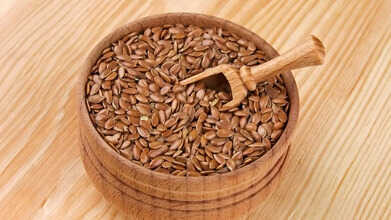
Flaxseeds are small, with a mild, slightly nutty flavour, as explained earlier by Natalie Rizzo, a registered dietitian and nutrition editor at TODAY. Pumpkin seeds, on the other hand, have been ranked by Rizzo as one of the healthiest seeds you can eat, mainly because they are rich in essential minerals such as zinc, magnesium, and iron. Both seeds are nutritious, but each shines in its own way. Here is a closer look at how they compare.
How Nutritious Are Flaxseeds?
In a two-tablespoon serving of flaxseeds, you get approximately:
- 110 calories
- 4 grams of protein
- 6 grams of carbohydrates
- 6 grams of fiber
- 9 grams of fat
Pumpkin Seeds Nutrition
A one-ounce serving of roasted pumpkin seeds contains around:
- 163 calories
- 8.5 grams of protein
- 14 grams of fat
- 4 grams of carbohydrates
- 2 grams of fiber
Flax Seeds vs Pumpkin Seeds: Protein Intake
Protein plays a key role in building and maintaining muscle strength. Nutrition experts generally suggest aiming for about 20 to 40 grams of protein per meal, along with some protein-rich snacks during the day.
While both seeds offer protein, pumpkin seeds clearly come out ahead. A serving of pumpkin seeds contains more than double the protein found in a serving of flaxseeds. In fact, pumpkin seeds are among the most protein-rich seeds available, alongside sunflower and hemp seeds.
One serving of pumpkin seeds provides about 8.5 grams of protein, which is more than what you get from an egg. Flaxseeds, by comparison, offer around 4 grams per serving. If boosting protein intake is your priority, pumpkin seeds are the better option.
Flax Seeds vs Pumpkin Seeds: Fiber Intake
Fiber is best known for supporting digestion, but it also helps regulate cholesterol levels and manage blood sugar. Despite its importance, many people struggle to get enough fiber in their daily diet.
Most adults should aim for at least 25 grams of fiber a day, which can come from foods like vegetables, fruits, legumes, nuts, and seeds.
When it comes to fiber, flaxseeds have a clear advantage. Pumpkin seeds provide about 2 grams of fiber per serving, while flaxseeds deliver a much higher 6 grams per serving.
Flax Seeds vs Pumpkin Seeds: Fat Intake
Fat often gets a bad reputation, but not all fats are harmful. Healthy fats help you feel full and support heart and brain health.
Both flaxseeds and pumpkin seeds contain beneficial fats, mainly in the form of fatty acids. A serving of flaxseeds provides about 9 grams of fat, while pumpkin seeds contain around 14 grams. Both can be considered excellent plant-based sources of healthy fats that support overall well-being.
Flax Seeds vs Pumpkin Seeds: Other Nutrients
Beyond protein, fiber, and fat, both seeds contain additional compounds that support health.
Flaxseeds are especially known for their heart-protective properties. They are rich in omega-3 fatty acids and lignans, which are anti-inflammatory compounds linked to improved cholesterol levels and better blood pressure control.
Rizzo has also noted that the anti-inflammatory effects of flaxseeds, largely due to lignans, have been associated with reduced tumour growth in animal studies. Pumpkin seeds, meanwhile, stand out for their high levels of magnesium and zinc.
Flaxseeds provide about 20 percent of the daily recommended intake of magnesium, while pumpkin seeds offer an even higher amount, around 37 percent. Magnesium supports metabolism, nerve function, bone strength, and heart health, and it has also gained attention for its role in improving sleep. Zinc is equally important, as it helps strengthen the immune system and supports proper wound healing.
Pumpkin seeds also contain vitamin E, along with iron and calcium, according to registered dietitian and TODAY contributor Kristin Kirkpatrick.
Should You Eat Flaxseeds or Pumpkin Seeds?
Both flaxseeds and pumpkin seeds are nutritious, crunchy, and easy to add to meals. Whichever you choose, you will benefit from plant-based protein, gut-friendly fiber, and heart-healthy fats. Neither seed is strictly better than the other. The best choice depends on your personal health goals and how you plan to use them.
If increasing protein intake is your main aim, pumpkin seeds are the stronger option. They also work well as pumpkin seed protein powder in smoothies, which is suitable for people avoiding dairy or nuts, as previously noted by TODAY.com.
If you are focused on improving fiber intake, flaxseeds are the better pick. They can be sprinkled over yogurt, added to salads, mixed into granola, or used in baking. When ground into a meal or powder, flaxseeds can help thicken dishes like veggie burgers. When mixed with water, they form a gel that can even replace eggs in some recipes.
Because whole flaxseeds may pass through the digestive system without fully breaking down, ground flaxseeds are often recommended to help your body absorb more nutrients.
In the end, both flaxseeds and pumpkin seeds are healthy additions to your diet and can easily boost the nutritional value of your meals.
One Common Snacking Habit Could Be Raising Your Cholesterol, Expert Explains How

Credits: Canva
A leading scientist is challenging the common belief that snacking between meals is automatically bad for your health. Dr Sarah Berry, chief scientist at Zoe, studied the eating patterns of more than 1,000 individuals to better understand how snacking might influence health—positively or negatively
One Common Snacking Habit Could Be Raising Your Cholesterol
Dr Berry pointed out that many people underestimate the importance of when they eat snacks and how timing can affect overall health. The study found that those who ate after 9pm generally had poorer health outcomes, according to Surrey Live. Dr Berry added: “The time you snack is crucial—late-night eating, particularly after 9pm, was consistently associated with these negative health markers.”
Dr Berry explained: “What really stood out was that the time of day you snack makes a difference. Our research showed that snacking after 9pm was linked to higher blood pressure, reduced insulin sensitivity, and elevated cholesterol levels.”
Snack Choices Matter More Than Snacking Itself
The research also looked at the types of snacks participants chose. Dr Berry clarified: “Snacking in itself, eating between main meals—is not the issue. The concern is the kind of snacks you pick. If you’re hungry between meals and choose nutritious options, it won’t harm your health.”
Her findings suggest that selecting healthy snacks and avoiding late-night eating after 9pm can prevent snacking from negatively affecting your health. This means people can still enjoy small treats during the day without feeling guilty.
Why High Cholesterol Is Concerning
High cholesterol is one of the more serious consequences of snacking, often called a ‘silent killer’. It usually does not produce noticeable symptoms on its own but can trigger life-threatening conditions such as heart attacks and strokes.
This condition occurs when there is too much cholesterol—a fatty substance—in the bloodstream. Over time, this buildup can block blood vessels and impair circulation.
High cholesterol can be caused by eating fatty foods, living a sedentary lifestyle, being overweight, or habits like smoking and drinking alcohol. It can also be inherited. While it can be managed with lifestyle changes or medications, awareness and early prevention are crucial.
Symptoms Of High Cholesterol
High cholesterol often develops quietly, with no clear warning signs, which is why it is commonly described as a “silent” condition. On its own, it usually does not cause symptoms. However, over time, it can raise the risk of serious problems such as heart disease. When complications begin to develop, people may notice chest pain known as angina, shortness of breath, unusual tiredness, or cramps in the legs. In some cases, especially in inherited conditions like familial hypercholesterolemia, visible signs can appear. These include yellowish fatty deposits on the skin or around the eyes, called xanthomas or xanthelasmas. Despite this, regular lipid panel blood tests remain the most reliable way to diagnose high cholesterol, according to the Cleveland Clinic.
Common Signs from Related Conditions (Atherosclerosis)
These symptoms usually point to plaque buildup in the arteries, a condition known as atherosclerosis, which is closely linked to high cholesterol:
- Chest Pain (Angina): A feeling of tightness, pressure, or squeezing in the chest, often triggered by physical effort or stress, caused by reduced blood flow to the heart.
- Shortness of Breath: Trouble breathing, especially during activity, as narrowed arteries limit oxygen supply.
- Fatigue or Weakness: Persistent low energy or weakness due to reduced oxygen reaching the muscles.
- Leg Pain or Cramping (Intermittent Claudication): Pain or cramps in the legs during walking or exercise, which may signal blocked arteries in the legs, also known as peripheral artery disease.
- Dizziness or Fainting: This can happen if blood flow to the brain is affected.
- Heart Palpitations: A sensation of irregular or rapid heartbeats
- Follow Us :


© 2024 Bennett, Coleman & Company Limited