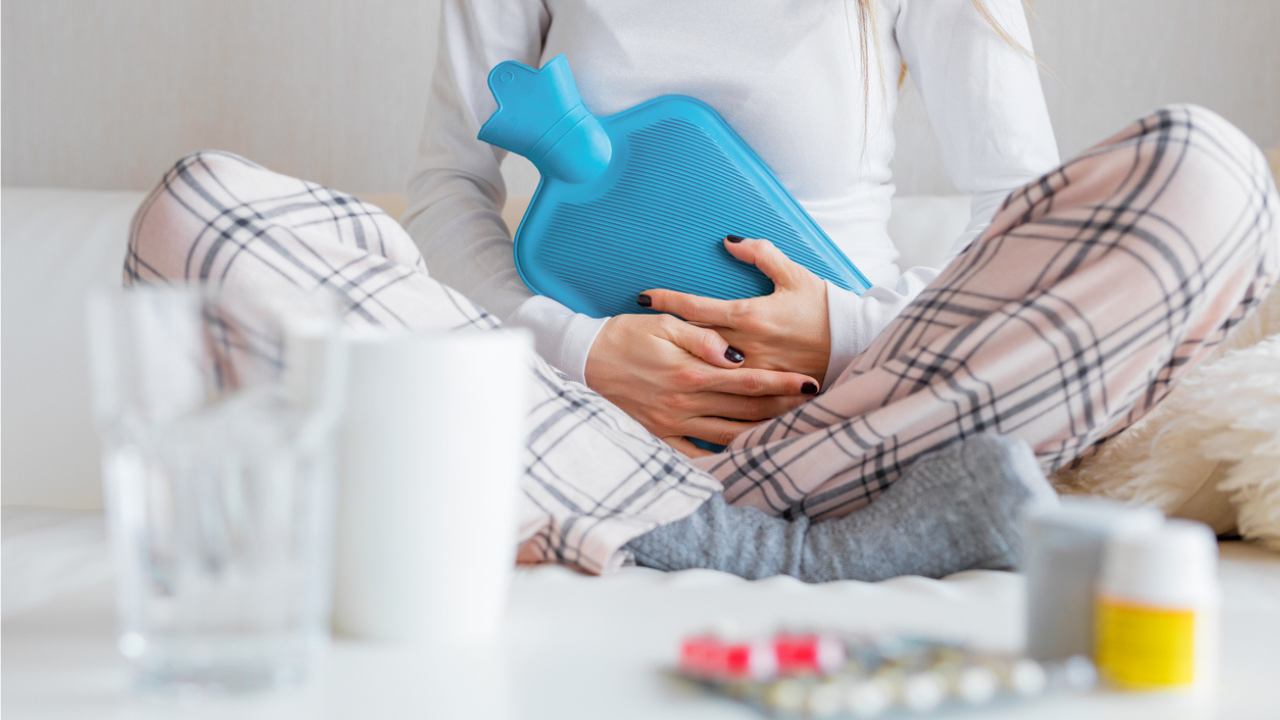
Almost every woman has been told at some point that period pain is simply part of being a woman. Grit your teeth, keep a hot water bag/bottle handy, and get on with your day. But there is a difference between the dull ache many people experience during menstruation and pain that stops someone from going to work, attending school, or functioning normally. When period pain crosses that line, it deserves a closer look. What Is Happening Inside Your Body? When the normal lining of the uterus starts to grow outside the uterine wall, commonly on the ovaries, fallopian tubes, or the tissue surrounding the pelvis, that occurrence is referred to as endometriosis. Like the uterine lining, this tissue still responds to the hormonal changes of the menstrual cycle. It thickens and bleeds every month. The difference is that it has no way to leave the body. Over time, this trapped tissue can trigger inflammation, scar tissue, and bands of fibrous tissue called adhesions that cause pelvic organs to stick together.Also read: Are Girls Today More Aware Of Period Hygiene? Why Education Still Matters Why Painful Periods Shouldn't Be Dismissed?Severe period pain, medically known as dysmenorrhea, is far more common in India than many other widely discussed health conditions. Studies suggest it affects roughly 60 to 80% of women. Yet because periods are so normalised, this level of pain rarely gets treated as a medical concern. Not all period pain points to endometriosis, of course. But when the pain is severe enough to interfere with daily life, starts before bleeding begins and lingers after it ends, or comes with other symptoms, it is worth discussing with a gynaecologist rather than managing quietly at home.Also read: Decoding The Fertility Markers Symptoms Worth Paying Attention To Alongside painful periods, endometriosis can present with pain during or after intercourse, pain with bowel movements or urination, especially around the time of a period, heavy bleeding, or spotting between periods, and chronic pelvic pain that persists even outside menstruation. Digestive symptoms such as bloating, nausea, diarrhoea, or constipation are also common. For some women, difficulty conceiving is the first clue that leads to a diagnosis. It is worth noting that the intensity of pain does not necessarily reflect the extent of endometriosis tissue present. Some women with extensive disease have little pain, while others with a small amount experience significant discomfort and many women have no symptoms at all.Also read: Experimental Menopause Drug Shows Promise Mid-Stage Trial, Reduces Hot Flashes By 83% Managing The Condition While endometriosis cannot be cured, its symptoms can usually be managed. This can be done with pain-relief medicine, hormones to control or decrease period frequency and, in certain cases, surgery to remove excess tissue and adhesions. Other lifestyle changes like exercise, heat therapy and diet can help reduce symptoms in some women. Painful periods are common, but debilitating ones are not something to simply live with. If pain is affecting your ability to go about daily life, or if you notice any of the symptoms above, the right step is a conversation with a gynaecologist and not a bottle of painkillers month after month. Early evaluation makes it easier to identify the cause and start managing it effectively, whatever it turns out to be.By Dr. Neha Gupta, Associate Director, Obstetrics & Gynaecology, Medanta Gurugram