
- Health Conditions A-Z
- Health & Wellness
- Nutrition
- Fitness
- Health News
- Ayurveda
- Videos
- Medicine A-Z
- Parenting
Feast, Famine And Fat Loss: New Diet Trend 'Better Than Intermittent Fasting' Could Help You Lose Weight Faster

Credits: Canva
Feast one day, fast the next—this bold rhythm is taking the wellness world by storm. As millions chase quick weight loss fixes and fatigue over calorie-counting grows, alternate-day fasting is stepping up as a surprisingly effective strategy. Backed by a new global review involving 99 studies and more than 6,500 participants, this eating pattern may outpace both the popular 16:8 routine and strict calorie-cutting diets. And it’s not just about trimming waistlines—it could also reboot metabolism, lower bad cholesterol, and help manage chronic health conditions. Could this be the diet trend that finally changes the game?
a new study has turned the spotlight on a diet strategy that may just be more effective than traditional intermittent fasting: alternate-day fasting (ADF). Coined as the feast-and-famine method, this dietary approach involves a full 24-hour fast every other day, and it might have more potential than the popular 16:8 or 5:2 fasting regimens.
Researchers from a global collaboration spanning the US, Scotland, Germany, and Canada have uncovered promising findings in a meta-analysis that reviewed 99 clinical studies and more than 6,500 participants. The results? Alternate-day fasting led to greater weight loss than continuous calorie restriction or other intermittent fasting strategies, including time-restricted eating and whole-day fasting.
What is Feast-and-Famine Diet Trend?
Alternate-day fasting isn’t exactly new, but its newfound support comes with a stronger scientific foundation. The diet requires individuals to abstain from caloric intake every other day while allowing regular eating on non-fasting days. While this sounds more intense than the popular 16:8 schedule, where food is consumed within an eight-hour window, results seem to speak for themselves.
The average participant in the reviewed studies had a body mass index (BMI) of 31, and a significant majority (89%) had pre-existing health conditions. This makes the findings especially relevant for people dealing with metabolic concerns such as diabetes, high blood pressure, or elevated cholesterol levels.
How ADF is Different from Intermittent Fasting Diet?
Unlike time-restricted eating (e.g., 16:8) or the 5:2 method (fasting for two days each week), alternate-day fasting applies a full-day fasting protocol every other day. This means that in a typical week you would fast for about 3-4 days with no calorie consumption.
What sets ADF apart is how it influences metabolism. Studies suggest that this method can boost metabolic rate, lower LDL ("bad") cholesterol and improve insulin sensitivity. These factors are crucial for people with obesity or those at risk of developing cardiovascular disease and type 2 diabetes.
Is ADF Clinically Significant?
Despite the results, researchers caution that ADF did not meet the clinical weight loss threshold of 2 kg often targeted in obesity treatment guidelines. Still, its efficacy relative to other diets offers a compelling alternative for individuals seeking variety or faster short-term results in their weight loss journey.
The authors of the study, published in The BMJ, urge caution and call for more long-term trials. "Minor differences were noted between some intermittent fasting diets and continuous energy restriction, with some benefit for an alternate day fasting strategy with weight loss in shorter duration trials," they noted.
That said, all intermittent fasting strategies, including time-restricted eating and whole-day fasting, led to some degree of weight loss when compared to an ad-libitum diet one without any restrictions.
Experts increasingly view it as a flexible tool that can be customized within a broader, patient-centric model of nutritional care. The new findings support using ADF as part of this toolkit, especially for those who have tried and plateaued with traditional calorie-restriction diets.
According to the World Health Organization, approximately 2.5 billion adults globally are overweight, and 890 million live with obesity. With rates of metabolic syndrome, heart disease, and type 2 diabetes continuing to climb, effective, sustainable, and personalized weight management strategies are more imprtant than ever.
GLP-1 Drugs vs. Fasting: What To Choose For Weight Loss?
Coinciding with the release of this study is the NHS’s decision to allow general practitioners in England to prescribe Mounjaro (tirzepatide), a medication known for its significant weight loss effects. While effective, these medications are expensive and not without side effects.
As a result, dietary strategies like ADF offer an attractive, non-pharmaceutical option for those who may prefer or require lifestyle-based interventions.
Though ADF is proving its mettle in short-term studies, researchers emphasize the need for longer and more rigorous trials. Only with extended observation can we understand whether these weight loss benefits are sustainable, whether metabolic advantages persist and how feasible it is for individuals to stick with such a demanding regimen.
For now, ADF appears to be a promising alternative—particularly for those seeking to shake up their diet strategy or accelerate initial weight loss. Still, it should be undertaken with professional guidance, especially for individuals with underlying health conditions.
Feast-and-famine may sound extreme, but science is increasingly pointing to its potential to outperform more common intermittent fasting techniques. While not a silver bullet, alternate-day fasting offers a new hope for those grappling with weight loss or metabolic health challenges.
As with any diet, the key lies in personalization, consistency, and understanding your own body’s needs. With more long-term studies underway, ADF may soon become a more mainstream strategy for effective and sustainable weight management.
Think Caffeine Is Behind Coffee’s Brain Benefits? Study Finds Decaf Boosts Memory

Credit: AI
There is a reason why when we think about coffee, we only see ‘caffeine’ in big, bold letters. It helps up wake up, stay energetic, alert, sharpens our attention and helps us fight the midday grogginess at work. So, little attention has been paid to other components of coffee.
But new research suggests some of coffee’s effects on the brain may have little to do with caffeine.
A study published in Nature Communications found that both caffeinated and decaffeinated coffee were linked to changes in the gut microbiome, mood and stress. But improvements in learning and memory were seen specifically among people who drank decaffeinated coffee.
The findings suggest that coffee’s effects on the brain could involve its many other compounds and the gut-brain connection, rather than caffeine alone.
How Was The Study Conducted
Researchers from APC Microbiome Ireland at University College Cork studied 62 people. Thirty-one were regular coffee drinkers, while 31 did not normally drink coffee.
The regular coffee drinkers first stopped consuming coffee for two weeks. Researchers then collected stool and urine samples and monitored their mood, stress, cognition and other measures.
Coffee was subsequently reintroduced, with participants receiving either caffeinated or decaffeinated coffee for three weeks. The researchers found that both forms of coffee were associated with changes in gut bacteria and metabolites. But when it came to cognitive effects, there was a striking finding.
Also read: Andrew Huberman’s Sleep Trick: Can Eye Movements Help You Fall Back Asleep?
Decaffeinated Coffee Improved Memory
Participants who drank decaffeinated coffee showed significant improvements in learning and memory. For example, they made fewer errors on a test examining learning and memory. They also showed improvements in episodic memory, which involves remembering information and experiences.
The caffeinated group did not show the same results. This helped researchers find out that the non-caffeine components of coffee may have some positive cognitive effects.
But the researchers also acknowledge that some of the improvement could have happened due to participants becoming more familiar with the tests over time.
Also read: Gut Microbiome Linked To 3x Higher Type 1 Diabetes Risk In Children
Decaf Coffee's Effect On Brain
Coffee contains thousands of chemical compounds, including polyphenols. These compounds can interact with gut microbes and influence the production of metabolites, which can then affect the body and brain. This is where the gut-brain axis comes into the picture.
The gut and brain are in constant communication through several processes involving the nervous system, immune system, hormones and chemicals produced by gut bacteria.
The study found that coffee consumption altered the composition and activity of gut microbes and changed certain metabolites. Some bacteria, including Eggerthella species and Cryptobacterium curtum, were more found in more quantity among coffee drinkers.
Researchers believe these microbial changes could help explain some of coffee’s effects on mood and cognition.
Effects Of Caffeinated Coffee
Participants drinking caffeinated coffee experienced reduced anxiety and other psychological effects, while some measures of attention and cognitive performance also improved.
Both caffeinated and decaffeinated coffee showed lower signs of stress, depression and impulsivity.
So the study does not suggest that decaf is universally better for the brain. Instead, it shows that different components of coffee may produce different effects.
It also adds another layer to the increasingly complicated story of coffee and health. Coffee may be more than a delivery system for caffeine. Its polyphenols and other compounds may interact with gut bacteria, influencing metabolism, inflammation, mood and brain function.
Red Bull Vs FSSAI: Beverage Giant Can Retain The 'Energy Drink' Label; What Are Its Health Risks
Credit: AI
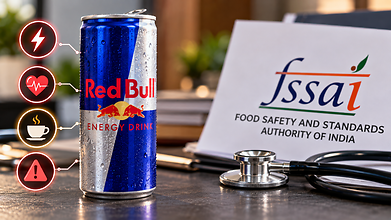
Red Bull got relief after Delhi High Court overturned a Food Safety and Standards Authority of India (FSSAI) order that instructed the Austrian beverage giant to drop its ‘energy drink’ label. In a recent ruling, the court made its decision after it found that the Indian food regulator did not give sufficient time to the company to present its case.
While the legal fight between the food regulator and the billion-dollar beverage giant boils down to just two words on a can, the health question is much bigger: What does drinking an energy drink like Red Bull actually do to the body?
FSSAI Vs Red Bull
FSSAI had said India does not have a notified food standard specifically defining an “energy drink”, objecting to brands like Red Bull making claims like boosting energy or enhancing focus.
The regulator's concerns also included linked to what these beverages actually contain, particularly excessive caffeine, sugar, and other controversial ingredients like taurine.
The biggest concern that the lawsuit is built upon is what causes the sudden surge of ‘energy’ after someone consumes this drink. Is it giving your body useful energy?
Also read: High Sugar, Salt Or Fat? India May Mandate Red Hexagon Labels On Food Packs
Red Bull’s Ingredients And What It Does To Your Body
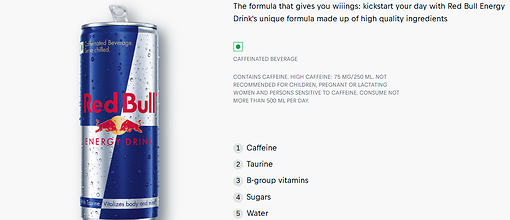
Caffeine
One of the main ingredients responsible for the immediate feeling of energy alertness is caffeine. Caffeine stimulates the central nervous system, making you feel more awake and less tired. But that boost does not mean the drink is providing the body with sustained energy in the nutritional sense.
Depending on the product, energy drinks can also contain substantial amounts of added sugar, which adds calories but does not make the drink healthier.
The caffeine content of energy drinks varies considerably. The US FDA notes that energy drinks can contain roughly 41 to 246 mg of caffeine per 12 fluid ounces, depending on the product.
The energy boost claim may comes from the caffeine content, which is what consumers should be mindful about. Too much caffeine can lead to faster heartbeat, palpitations, increased blood pressure, anxiety, jitters, headaches, nausea and sleep disruption. For most healthy adults, the FDA cites 400 mg of caffeine a day.
Also read: Every Extra 100g Ultra-Processed Food Linked To 14% Higher Heart Risk, 11% Higher BP Risk
Energy drinks can also temporarily increase blood pressure and cardiovascular load. A 2024 review and meta-analysis of randomised trials found that energy drinks acutely increased systolic and diastolic blood pressure in healthy adults.
Excess caffeine in young people can cause palpitations, increased heart rate and blood pressure, anxiety, sleep problems and digestive symptoms. Therefore, the FDA and medical experts advise against energy drinks for children and teenagers.
This is also why energy drinks have attracted regulatory restrictions worldwide. England, for example, plans to prohibit their sale to under-16s from April next year.
Sugar
The sugar content is another reason to be careful about how often you drink energy drinks. Regular and frequent consumption of high amounts of added sugar, through liquid calories like energy drinks, can increase overall calorie intake and contribute to weight gain and obesity.
Over time, excess sugar intake is also linked with a higher risk of metabolic problems like type 2 diabetes and fatty liver disease. For people who regularly consume these energy drinks, the concern is therefore not just the caffeine, but also how much added sugar they are consuming with each can.
Taurine
HealthAndMe previously reported that taurine may help fuel the growth of certain leukaemia cells. The research raised questions about taurine's role in blood cancer. The research was about the behaviour of cancer cells and does not establish that taurine-laced energy drinks cause blood cancer in humans.
Taurine occurs naturally in protein-rich foods like meat and fish and is also produced in the human body. Known for its function of maintaining fluid balance, cardiovascular support, and electrolyte regulation, taurine has been touted for years as a "health-enhancing" supplement. Taurine is also added to energy drinks for its claimed brain-boosting and anti-inflammatory effects and is marketed as a means to enhance mental concentration and physical output.
A study by University of Rochester's Wilmot Cancer Institute revealed how leukemia cancer cells hijack taurine as an energy source. Specifically, the cancer cells take in taurine to fuel glycolysis—a biological process that allows them to produce energy and proliferate at a fast rate.
The bottomline is that the Delhi High Court's ruling does not mean that Red Bull has been declared healthy. It addresses whether FSSAI followed the correct procedure when restricting the “energy drink” label. So even though Red Bull can be marketed and sold as an “energy drink”, it cannot be automatically considered healthy.
Every Extra 100g Ultra-Processed Food Linked To 14% Higher Heart Risk, 11% Higher BP Risk
Credit: iStock
Eating more ultra-processed food (UPF) has been associated with a higher risk of several chronic health conditions, including cardiovascular disease, cancer, metabolic disorders and high blood pressure.
Yet another large review of studies involving about 9 million participants showed that every additional 100 grams of UPF consumed per day was associated with a 14% higher risk of cardiovascular events and an 11% higher risk of high blood pressure.
This is concerning because cardiovascular diseases (CVDs) are the world’s leading cause of death. In 2022, an estimated 19.8 million people died from CVDs, accounting for about 32% of all deaths globally. Heart attacks and strokes caused 85% of these deaths, as per data from the WHO.
Uncontrolled blood pressure is also worrying as it is a leading cause of heart attack, stroke, chronic kidney disease, and dementia. An estimated 1.4 billion people lived with hypertension in 2024, yet just over one in five have it under control either through medication or addressing modifiable health risks.
What Did The Study Find?
The findings, published in the open-access journal Family Medicine and Community Health, were based on 51 prospective cohort studies involving 8,819,894 participants across the Americas, Europe, Asia and Oceania.
The researchers found that people with higher UPF consumption had greater risks of several health problems:
- Cardiovascular events: 24% higher risk
- Cancer: 12% higher risk
- Overweight or obesity: 23% higher risk
- Metabolic syndrome or diabetes: 24% higher risk
- Depression or anxiety: 27% higher risk
- Digestive diseases: 31% higher risk
- High blood pressure: 11% higher risk
- Death from any cause: 18% higher risk
The researchers also examined the association with every additional 100 grams of UPF consumed per day. This was associated with:
- 14% higher risk of cardiovascular events
- 4% higher risk of cancer
- 3% higher risk of death from any cause
- 2% higher risk of metabolic syndrome or diabetes
The studies included participants aged 23 to 77 years, with follow-up periods ranging from two to 32 years.
How UPF Affects Heart Health?
The researchers said emerging evidence suggests that exposure to multiple additives in UPFs may have combined effects on health.
Some compounds that can form during food processing, including acrylamide and acrolein, have been associated with cardiovascular disease.
Laboratory research also suggests that the altered physical structure of UPFs may affect the gut microbiome and contribute to inflammation and insulin resistance.
However, the researchers noted that these mechanisms are still being investigated.
“Given that UPF-related chronic diseases often cluster as multi-morbidity, reducing consumption of UPFs and replacing them with minimally processed alternatives may be relevant for chronic disease prevention and primary care management,” the Duke-NUS Medical School researchers said.
What Are Ultra-Processed Foods?
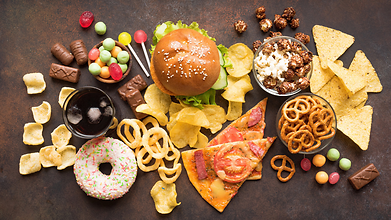
Ultra-processed foods are industrially manufactured products that typically contain ingredients and additives not commonly used in home cooking.
They can include:
- Sugary drinks
- Processed meats
- Packaged snacks and chips
- Candy and confectionery
- Baked goods
- Refined grain products
- Ready-to-eat or ready-to-heat meals
Many UPFs are high in added sugar, sodium, and refined carbohydrates and may contain additives such as emulsifiers, sweeteners, preservatives, colorants and flavor enhancers.
Limit ultra-processed foods to lower risk of heart disease, say experts. Replacing some ultra-processed foods with minimally processed alternatives may therefore be one dietary approach to consider as part of broader chronic disease prevention.
- Follow Us :


© $2026 Times Horizon Private Limited