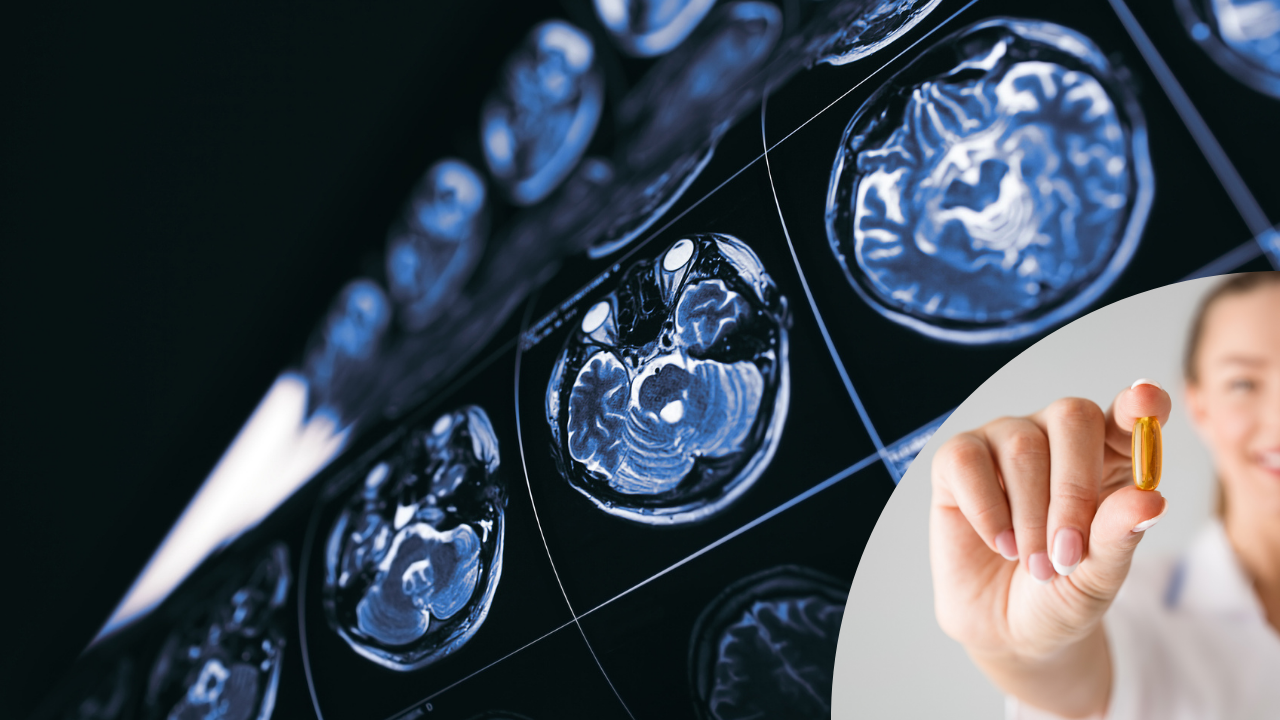
Stroke remains one of the leading causes of disability worldwide, often leaving survivors with long-term challenges in movement, memory, and speech. Traditional rehabilitation can alleviate symptoms, but progress is slow and limited for most patients. Researchers are now investigating a game-changer, a pill that could stimulate the brain to regenerate itself. Early studies indicate that approved drugs for other diseases can be repurposed to stimulate sleeping repair processes, providing a new avenue for recovery that previously was not possible. Successful use of this method could reframe the way physicians treat stroke victims and transform the future of neurorehabilitation.For years, doctors and scientists knew that if damaged, the brain had little to no regeneration capacity. Stroke victims and head injury patients were too often doomed to a lifetime struggle with dysfunctional movement, memory loss, or difficulty speaking. Today, new research contradicts the long-standing principle. A pill in development may activate the brain's ability to heal itself, giving hope to millions of people around the globe.Strokes, which happen as a result of interrupted blood flow to areas of the brain, continue to be among the major causes of long-term disability. Brain cells are killed through the resulting damage, and survivors are left with physical and mental difficulties that are notoriously hard to reverse. Conventional rehabilitation involves physical therapy and changes in lifestyle, but gains are slow and partial."Previously, the medical community believed that adult brains were incapable of producing new neurons after severe damage," describe neurologists who are knowledgeable about the study. "This pill contradicts that by stimulating directly involved pathways to neurogenesis."The treatment, which comes from adapting already proven drugs like Maraviroc—already approved for other diseases—is aimed at molecular mechanisms thought to induce the birth of new brain cells and fix faulty circuits. If successful, it may significantly lower reliance on resource-intensive rehab programs.How Does The Stroke Recovery Pill Work?At the core of this innovation is the capability to "turn on" latent genes that stimulate neural repair. Recent stories in Futurism have reported that researchers, using animal models, have shown that activation of these pathways not only repaired faulty neural connections but also recovered movement and memory.Initial experiments are exploring whether the same effects are possible in humans. Stroke patients are being treated with controlled quantities of the pill, and scientists monitor changes in brain plasticity, motor function, and cognitive abilities. The potential to restore lost capabilities via medication has generated guarded optimism among scientists.“The early data is promising, but we’re just beginning to understand the scope of what this drug can achieve,” said one of the study’s lead researchers. “The ultimate goal is to complement or even replace traditional rehabilitation therapies.”Optimism there is, despite challenges. Converting animal experiments to human triumphs has long been filled with stumbling blocks. Results vary considerably from person to person based on the magnitude of the brain injury and how quickly postinjury care is initiated.Existing trials, some of which are closely monitored by The New York Times, are intended to test both safety and efficacy. Though Maraviroc has an established record of safety in its current uses, application to brain repair introduces new risks. Overactivating brain function, for instance, may precipitate seizures or other unexpected side effects.Regulatory agencies such as the FDA are keeping close tabs. Any such breakthrough therapy will need to meet strict safety criteria before becoming widely available. Experts warn that although the prospect of a pill that can restore lost brain function has revolutionary appeal, the only course is thorough testing.How Does The Pill Impact Brain Healing and Health?The potential for this research goes far beyond recovery from stroke. Traumatic brain injuries caused by automobile accidents, sports injuries, or war may someday be cured with similar regenerative approaches. Researchers are also investigating whether stimulating neurogenesis could help degenerative diseases like Alzheimer's or Parkinson's disease.New Atlas reports indicate that marrying molecular therapies with current medical devices might optimize the recovery. For instance, Stanford researchers developing clot-removing technology envision a future when physical interventions are wedded with drugs that activate the brain's inherent repair function.The drugs industry is already monitoring the situation. With millions globally suffering from neurological conditions, the potential is huge. However, experts stress that scientific support, rather than commercial motives, should be the driving force behind the development.For patients, a chance at a pill that will trigger brain regeneration is nothing less than revolutionary. Consider a stroke victim able to walk without a decade of agonizing therapy, or a college athlete recovering from a head injury without enduring deficits.But whereas the promise is revolutionary, neurologists caution patience. "We're in the beginning stages," said one clinical scientist. "The science is good, the trials have started, but it will take years to be sure if this is the tipping point we all hope it will be."The economic stakes are equally high. Stroke rehabilitation alone costs billions annually in healthcare expenses. If a pill could accelerate recovery and reduce long-term dependency, it could reshape not only medicine but healthcare systems globally.The road from bench to bedside is long, but hopefully, it is getting shorter. A placebo-controlled, randomized trial in Canada is ongoing, and the last results are likely to be available in approximately two years. Those results will give more definite answers on whether or not brain regeneration via medication is indeed achievable.