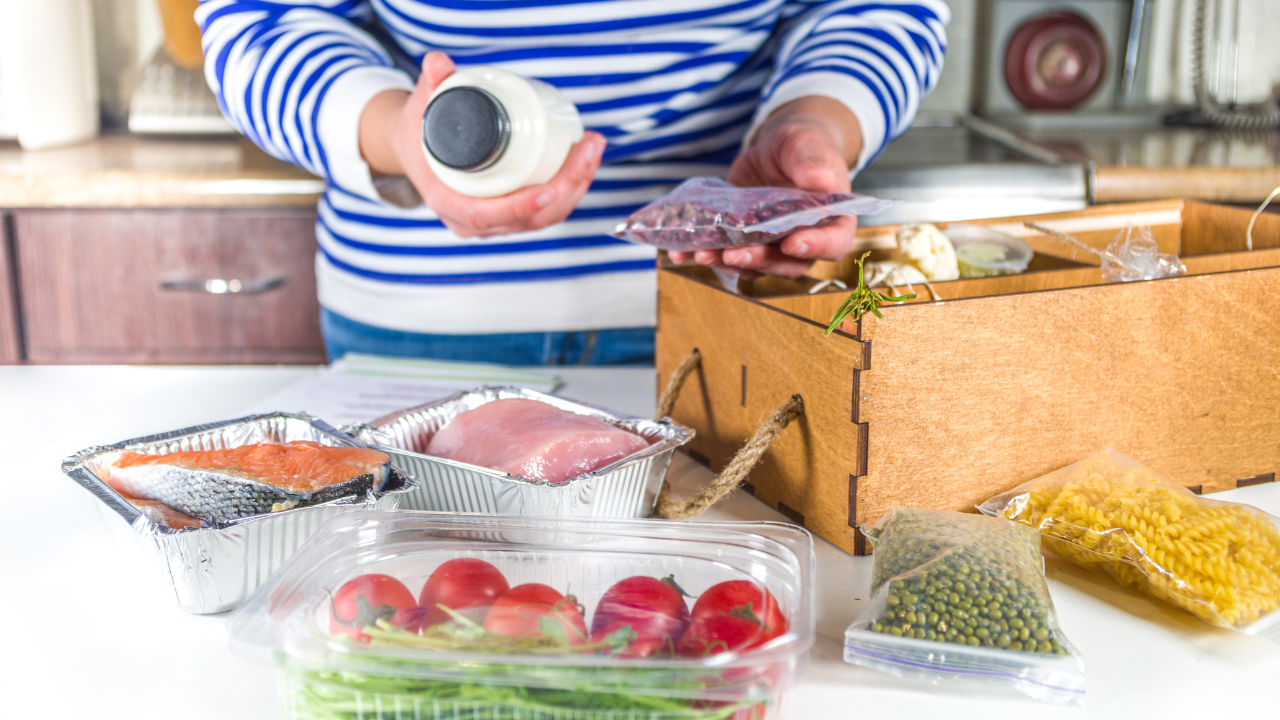
A convenience that has become a staple in many homes, ready-to-eat, subscription-based meal kits has come under scrutiny after the Centers for Disease Control and Prevention (CDC) linked certain products from Metabolic Meals to a multistate Salmonella outbreak. At least 16 individuals across 10 states have fallen ill so far, seven of whom were hospitalized, and health officials warn the numbers could be higher in the weeks ahead.The CDC reports that at least a dozen individuals have fallen sick and seven were hospitalized after eating meal delivery kits suspected to be contaminated with Salmonella. Health officials are still tracing the exact source of contamination, but preliminary results indicate that poor handling and storage of foods could have contributed. Why this is problematic is that meal kits are promoted extensively as safe, fresh, and convenient, with many regarding them as a healthier option compared to fast food. This outbreak points to the underlying dangers associated with ready-to-eat deliveries, presenting timely questions on food safety inspections, supply chain cleanliness, and consumer education.Also Read: Could A Daily Pill Restore Brain Function After Stroke? Scientists Test Bold New TreatmentHow the Outbreak Was Traced to Meal Delivery Kits?The CDC released that the outbreak was associated with meals served during the week of July 28, with four individual types identified:Four Cheese Tortellini with Pesto Sauce and Grilled Chicken — Lot Code: 25199; Best By: 08/07/2025Low Carb Chicken Teriyaki and Vegetables — Lot Code: 25202; Best By: 08/05/2025Black Garlic & Ranch Chicken Tenders with Roasted Vegetables — Lot Code: 25205; Best By: 08/08/2025Sliced Top Sirloin with Roasted Peanut Sauce and Summer Vegetables — Lot Code: 25203; Best By: 08/06/2025Further codes under investigation are 25199, 25202, 25203, 25204, and 25205.Metabolic Meals, the "macro-friendly" meal service subscription company, has admitted to the problem and is working with authorities. Under a statement released by the CDC, customers who bought the affected meal types were called individually and told not to eat the products.What Salmonella Does to the Body?Salmonella is among the United States' most prevalent foodborne pathogens and causes an estimated 1.35 million infections and 26,500 hospitalizations each year, as per CDC statistics. Symptoms of infection usually manifest between six hours to six days after infection and can include:Diarrhea (occasionally with blood)Nausea and vomitingAbdominal crampsFever and chillsMost people recover without medical treatment in four to seven days, but vulnerable groups—including children under five, adults over 65, and those with weakened immune systems—are at higher risk for severe illness requiring hospitalization. In rare cases, Salmonella can spread beyond the intestines, leading to life-threatening complications such as endocarditis, arterial infections, or arthritis.First Signs of Salmonella Poisoning to SpotPublic health officials highlighted that the initial symptoms of infection tend to be sudden diarrhea, fever, and cramping. Consumers who have just consumed contaminated Metabolic Meals and experience these symptoms should immediately seek medical consultation. Warning symptoms that need immediate medical attention are:Fever of more than 102°FDiarrhea persisting for more than three days without improvementBloody stoolsSevere dehydration with dizziness, dry mouth, or decreased urinationRecurrent vomiting that makes fluid intake difficultHow Widespread Is the Salmonella Outbreak?The illnesses have been reported in California, Missouri, Georgia, Minnesota, Texas, Arkansas, Illinois, Rhode Island, Wisconsin, and Washington. The actual number of cases is probably higher, health authorities warn, as many people recover without being tested or are unaware that their illness is part of a foodborne outbreak.To date, no deaths have been reported.Salmonella Outbreak: What Consumers Should Do?The CDC asks anyone who has contaminated meals in their fridge or freezer to dispose of them immediately or call Metabolic Meals for instructions. Affected products should not be tested "to determine if they're safe." Consumers also should:Hand-wash, kitchen surfaces, and utensils that were in contact with the meals with hot, soapy water or a dishwasher.Prevent cross-contamination by washing refrigerator shelves and storage containers in which the affected products were stored.Watch for symptoms closely for as long as six days following possible exposure.Also Read: Dozen Sick, 7 Hospitalized After Salmonella Outbreak, CDC Investigates Meal Delivery Kits: What Is The First Sign Of Infection? Why Meal Kits Pose Unique Risks?Meal kits have grown extremely popular, and they provide convenience for busy families and individuals. However, with the centralized production and shipping method, if contamination takes place at the source, thousands of meals are delivered across several states within days.Food safety specialists point out that despite rigorous quality assurance, pathogens such as Salmonella can penetrate even during preparation, packaging, or transportation. Since these foods are ready-to-eat or need little handling, consumers tend not to cook them at high enough temperatures to destroy bacteria.This outbreak follows in the wake of another outbreak involving Salmonella: in recent times, almost 100 cases in 14 states were traced back to contaminated eggs. The two outbreaks in rapid succession underscore the continued issues in food safety monitoring and regulation in the age of mass-produced, convenience foods.Experts emphasize that outbreaks cannot always be prevented but that rapid detection and communication, as demonstrated by the CDC response, are essential for preventing spread and minimizing hospitalizations.The exact point of contamination during Metabolic Meals' manufacturing process is still under investigation. Public health investigators are looking into whether the contamination occurred during raw ingredients, food handling, or packaging and distribution.Until further information is available, the CDC still recommends against eating contaminated meals and will update information as the investigation unfolds.