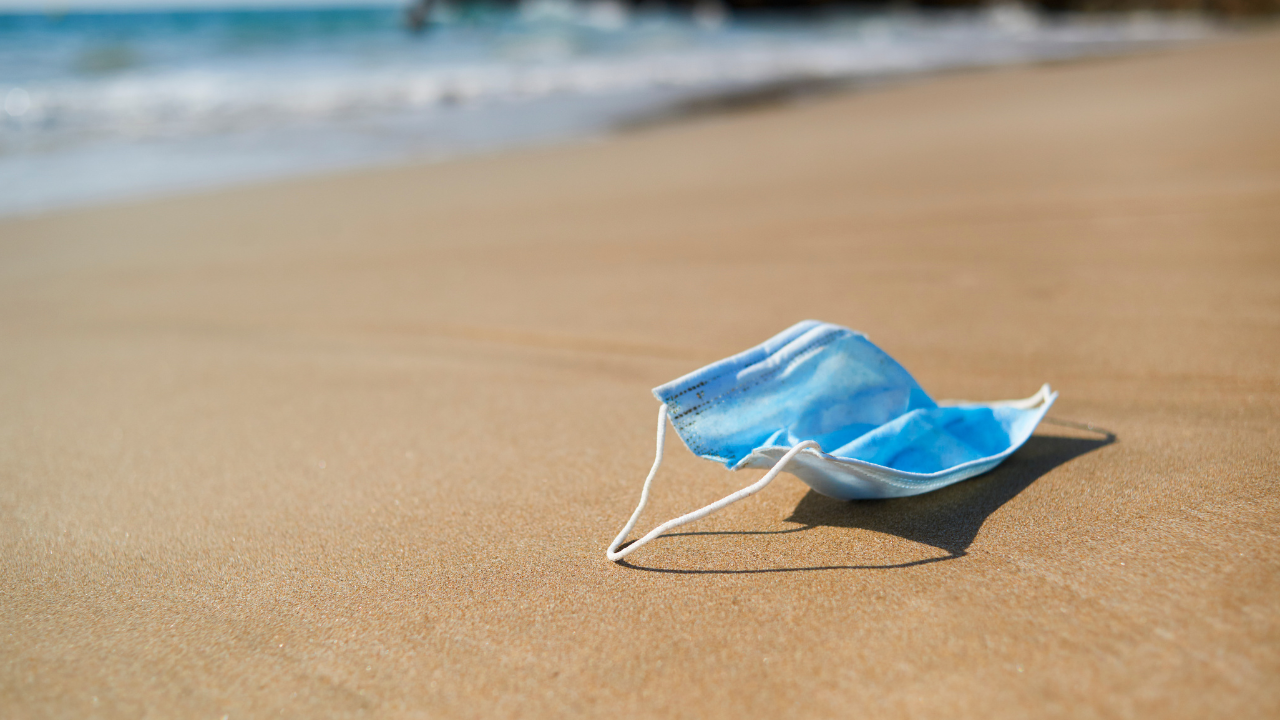
When COVID-19 ravaged the globe, disposable face masks became a instant necessity and a sign of protection. They provided a layer of protection against the spread of the virus, it became mandatory in most settings, and were mass-manufactured to address the urgent need. But new research indicates the same masks that protected us throughout the pandemic can now be leaving a toxic trail behind.A paper by scientists at Coventry University, published in Environmental Pollution, has established that disposable masks are leaching microplastics and toxic chemicals, such as endocrine disruptors, into the environment. This chemical fallout could have long-term impacts on human health, wildlife, and ecosystems globally, scientists warn.During the height of the pandemic, the world consumed a projected 129 billion single-use face masks monthly. The majority were composed of polypropylene and other plastics and were meant to be used once and then discarded. Without a proven recycling stream, they wound up in landfills, scattered on urban streets, or carried by rain into rivers and oceans.Also Read: Could A Daily Pill Restore Brain Function After Stroke? Scientists Test Bold New TreatmentThese masks have started to degrade over time. Field studies in recent times have reported abandoned masks in soil, on beaches, in water bodies, and even in rural areas far from civilization. As they disintegrate, they do not vanish—they scatter tiny fragments of plastic and chemical additives in the environment.Dr. Anna Bogush, the lead author of Coventry University's study, refers to this as a pressing problem. "We can no longer overlook the environmental price of single-use masks, particularly when we have learned that the microplastics and chemicals they emit have a detrimental impact on human beings and ecosystems alike," she stated.Why Testing the Disposed Masks Is Essential?To find out what happens to masks when they disintegrate, Bogush and co-researcher Dr. Ivan Kourtchev did a simple but insightful experiment. They put fresh, unused masks—surgical masks as well as filtering facepieces like FFP2 and FFP3—into glass flasks of distilled water. The water was filtered after 24 hours at room temperature and then tested using sophisticated laboratory methods.The findings were alarming. Each mask, whether it was a surgical, cloth or respirator, emitted microplastics. But filtering facepieces, commonly sold as the most effective level of protection amid the pandemic, lost four to six times more particles than basic surgical masks.Most of them were small—less than 100 micrometers, about the diameter of a human hair—and consisted mainly of polypropylene. Small amounts of polyethylene, polyester, nylon, and PVC were present. These substances do not biodegrade readily, so they linger for decades in the environment.Invisible Pollutants With Visible ConsequencesThe worry is not limited to plastics. The study found that masks also emitted chemical additives, such as Bisphenol B (BPB), a chemical that has been found to act like estrogen and interfere with hormonal systems in humans and animals.Also Read: Dozen Sick, 7 Hospitalized After Salmonella Outbreak, CDC Investigates Meal Delivery Kits: What Is The First Sign Of Infection?The scientists estimated that at the peak of the pandemic, disposable masks released between 128 and 214 kilograms of BPB into the environment. That might seem insignificant compared to global levels of pollution, but the total effect of endocrine-disrupting chemicals—no matter how low the dose—has been found to influence fertility, development, and hormone function in humans and wildlife.Microplastics, similarly, are not inert trash. When ingested by fish, birds, or small animals, they can become concentrated further up the food web, finally ending up in human diets. Microplastics have already been detected in seafood, tap water, and even in human lungs and blood.Why Are These Disposable Masks Now Posing A Risk To Human Health?The threats from microplastics and endocrine disruptors are multifaceted and as yet not fully appreciable, but the preliminary evidence is alarming.Hormonal interference: Substances such as BPB have the potential to disrupt reproductive health, fetal growth, and metabolism.Breathing difficulties: Microplastics inhaled through air can settle in lung tissue, leading to inflammation or other respiratory disorders. Contamination of the food chain: Plastics carried by rivers, oceans, and land can contaminate crops and animals, with the risk of exposing individuals through food intake.Scientists emphasize that this is not a standalone problem. Disposable masks are one part of a broader plastic pollution plague, which already encompasses bottles, bags, packaging, and man-made fabrics. But the unprecedented rate at which masks were used during the pandemic generated a shock and intense period of pollution.Disposable Face Masks Have An Environmental Burden That LingersIn contrast to biodegradable trash, the plastics found in disposable masks resist natural decay. One mask might take decades to degrade, releasing microplastics and chemicals along the way. For already plastic-stressed ecosystems, masks provide another source of stress.Wildlife scientists have documented instances of animals getting tangled up in mask straps or eating shredded pieces. Marine ecosystems are especially at risk, since microplastics can settle into sediment and wreak havoc on entire food webs.The environmental effect isn't quite even, however. Low- and middle-income nations, which frequently do not have effective waste management systems, bear a disproportionate weight of mask pollution.The authors of the study contend that society must reexamine mask production, usage, and disposal. Single-use masks may have been necessary amid a peak health emergency on a global scale, but to continue using them without sustainable options threatens long-term damage.The pandemic compelled billions of individuals to shift toward protective behaviors in one night. Masks helped save lives, safeguarded frontline health staff, and contributed significantly in slowing down the transmission of COVID-19. But their environmental legacy serves as a reminder that timely solutions to one crisis can generate new problems unless sustainability is made a part of the equation.As the world prepares to face the next public health threat, safety gear can't be designed to be as if it stops with the disposal. The decisions we make today regarding manufacturing, using, and throwing away will resonate for decades in the environment and in our bodies.Disposable masks were probably necessary in 2020, but by 2025, they are also a harsh reminder that each protective act has an unseen price tag. The only question is whether we will take action on this information before the chemical timebomb ticks again.