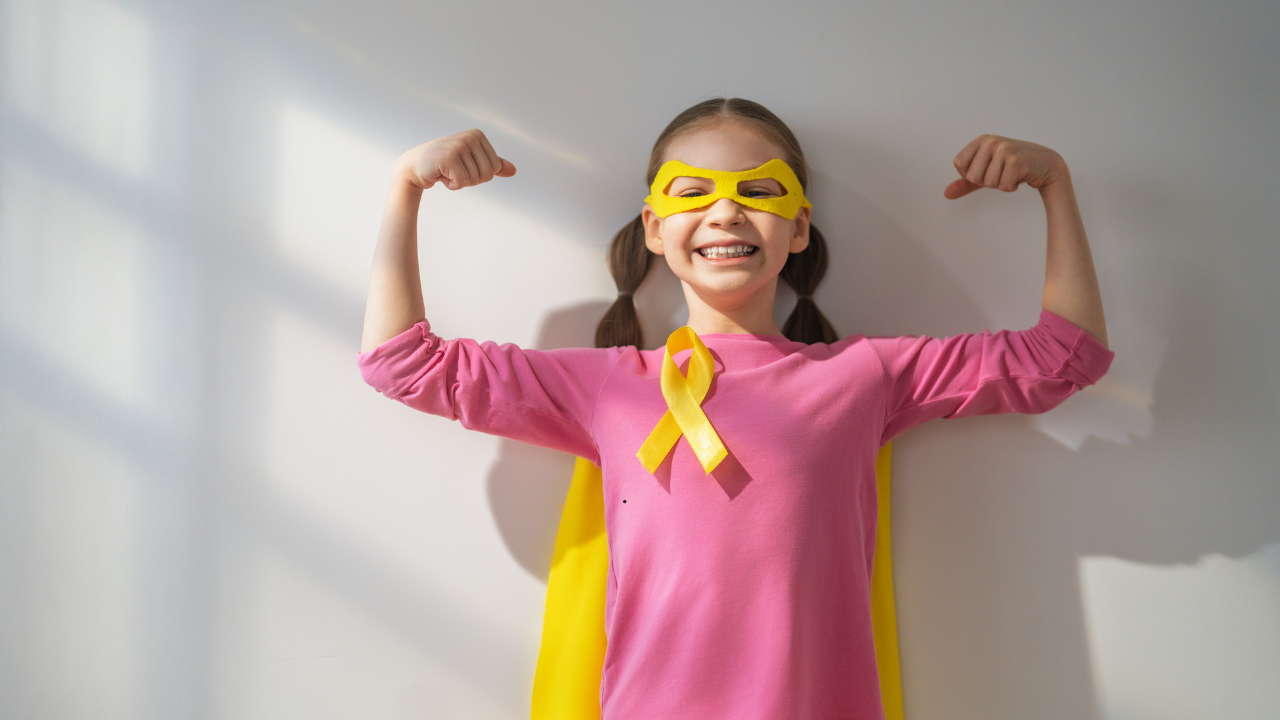
Globally, provides the World Health Organization (WHO) data, 400,000 children are diagnosed with cancer annually. In other words, it means, 3 children are diagnosed with cancer every 4 minutes in the world. Of these, says WHO, 90% cases come from low-or-middle-income countries, where only a fifth of the diagnosed children survive. These numbers are heart wrenching, and so to make more and more people aware about the reality, September has been designated as the month for Childhood Cancer. It is observed annually as Childhood Cancer Awareness Month (CCAM), to focus on raising awareness about the impact of childhood cancer and also highlighting the strength of the young ones and their family. The universal symbol for CCAM is the gold ribbon, which represents the precious nature of children and the urgent need for a cure.Childhood Cancer In The Indian Context As per the Indian Cancer Society, every year, nearly more than 50,000 new childhood cancer cases occur. As per a 2020 study published in Cancer Epidemiology, in India, pediatric cancer accounts for less than 5% of all cancer cases, with leukemia, lymphoma, and central nervous system tumors being the most prevalent types in children.Dr Joydeep Chakrabartty, HOD & Sr Consultant Haemato-Oncology, HCG Cancer Center, Kolkata, notes that childhood cancers are being recognized as a major public health challenge in the country. However, he points out that while hospitals in metropolitan centres are better equipped to handle such cases, "but in smaller towns and few of the north-eastern states, delayed diagnosis remains a recurring challenge.""Limited access to specialized paediatric haemato-oncologists and a lack of awareness among families means that many children arrive at hospitals in advanced stages of the disease. Strengthening early detection and awareness campaigns in such regions could drastically change outcomes for thousands of young lives," he says.How Can Awareness Save Lives?Dr Chakrabartty notes, "Blood cancers, such as leukemia and lymphoma, affect the bone marrow and blood cells, disrupting the body’s ability to fight infections, carry oxygen, or control bleeding. Acute lymphoblastic leukemia (ALL) is the most common type in children, followed by acute myeloid leukemia (AML) and certain lymphomas." Several studies that have been conducted in India show that thousands of children are diagnosed with these cancers annually, yet many cases go undetected until it’s too late. "Lack of awareness, financial constraints, and myths about cancer often delay diagnosis and treatment," he points out. "Awareness is critical because early detection dramatically improves outcomes. Unlike adults, children may not articulate their symptoms clearly, and parents may dismiss early signs as minor ailments. Educating families, teachers, and communities about blood cancer can bridge this gap, ensuring children get the care they need when it matters most."What Are The Signs Of Childhood CancerDr Chakrabartty points out eight signs parents must look out for:Prolonged fever without an obvious cause – A fever that lingers for more than two weeks may signal something more than a viral infection.Extreme fatigue or paleness – Ongoing tiredness or looking unusually pale can point to problems with blood cells.Frequent infections that don’t resolve – If your child seems to be constantly battling infections, it could be a warning sign.Unexplained bleeding – Nosebleeds, gum bleeding, or bleeding that seems out of proportion should not be overlooked.Easy bruising – Unusual or frequent bruises, especially without clear injury, may be a red flag.Persistent bone or joint pain – Pain that limits normal play or movement shouldn’t be dismissed as just “growing pains.”Swollen lymph nodes – Lumps in the neck, underarms, or groin that persist need medical attention.Sudden weight loss or loss of appetite – Unexpected changes in eating habits or weight should be checked by a doctor.If these symptoms last more than two weeks, consult a doctor. A simple blood test, such as a complete blood count (CBC), can provide crucial early clues.Fear Of Cancer And Debunking MythsFear of cancer often comes from outdated ideas of painful, ineffective treatments. But, as Dr. Chakrabartty stresses, “Treatment for childhood blood cancers has advanced tremendously in India.”Chemotherapy, still the mainstay, is now child-friendly, often given orally or through short hospital visits to reduce long stays. In higher-risk cases, bone marrow transplants are available in advanced centres across Delhi, Mumbai, and Bengaluru. Newer targeted options like CAR T cell therapy are also showing promise by focusing only on cancer cells.While treatment for leukemia may stretch over two to three years, children adapt well. “With the right medical care and emotional support, kids can continue schooling and even enjoy play during treatment,” says Dr. Chakrabartty.Financial worries are real, but government schemes like Ayushman Bharat and help from NGOs ease the burden. “No family should delay care because of cost, support systems exist,” he adds.Myths still hold many back, beliefs that cancer is untreatable, contagious, or fate-driven. Awareness is key. Schools can help by encouraging health check-ups, and communities can spread information about aid and treatment access. The reality is clear: childhood blood cancers today are highly treatable with timely, modern care.